
Why Is My Lawn Mower Not Starting?
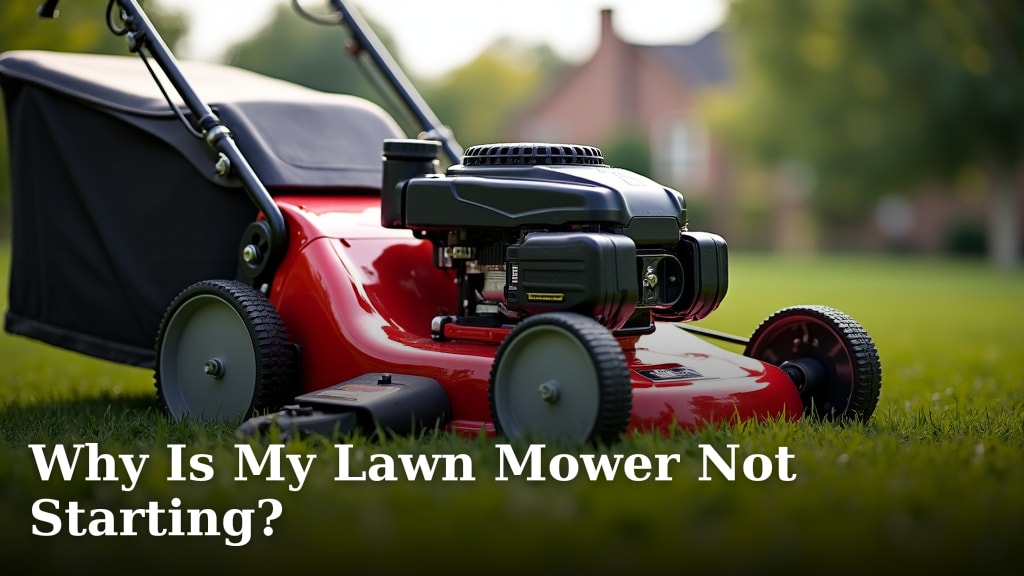
Your lawn mower is not starting because of a fuel issue, a spark plug problem, or a dead battery. These are the most common culprits we found for why your mower won’t fire up.
It’s super frustrating when you’re ready to tackle the yard and your mower just sits there, right? Many homeowners face this very challenge each season. We found that most no-start issues are actually pretty easy to fix yourself with a little guidance.
- Check the gas and fuel lines.
- Inspect the spark plug.
- Test the battery.
- Look at the air filter.
- Clean the carburetor.
Don’t worry, we’re here to help! Let’s walk through the exact steps to diagnose and fix your stubborn mower, getting you back to a beautifully cut lawn.
Discovering Why Your Lawn Mower Won’t Start
Most issues stopping your lawn mower from starting are surprisingly simple. We found that the problem often comes down to your fuel system, ignition, or electrical components.
Fuel System Checks: Is Your Mower Getting What It Needs?
A surprising number of no-start situations trace back to the fuel. Your mower needs clean, fresh gas to run. Without it, you’re just pulling a rope or turning a key for nothing.
Old or Contaminated Fuel
Did you know gasoline can go bad? We found that gas left in a mower for more than a month or two can degrade. This old fuel can become sticky and clog up the system.
- Drain old gas: If your mower has old fuel, drain it completely.
- Add fresh fuel: Refill with brand-new, unleaded gasoline. Many manufacturers (like Briggs & Stratton) recommend fuel stabilizers if you store gas for long periods.
- Check for water: Sometimes, water can get into your fuel tank. You’ll see it as distinct layers in the gas.
Using a fuel stabilizer is a simple step that can save you a lot of hassle. It helps prevent degradation of the fuel during storage (EPA).
Clogged Fuel Filter
Just like your car, your lawn mower has a fuel filter. Its job is to keep gunk out of the carburetor. If it’s clogged, fuel can’t get through.
Locate your fuel filter in the fuel line, often between the tank and the engine. If it looks dirty or you can’t see through it, it’s time for a replacement. This is usually an inexpensive and quick fix.
Blocked Fuel Line
Even with fresh fuel and a clean filter, a blocked fuel line can stop everything. Debris or old fuel residue can create a blockage.
You can often inspect the fuel line visually. Look for kinks or obvious blockages. Sometimes, carefully disconnecting the line at the carburetor and checking for fuel flow can indicate a block further up. Always have a catch pan ready for any fuel that drains out!
Ignition System: Getting That Spark
Fuel without a spark is just fuel. You need a strong, consistent spark to ignite the fuel-air mixture in the engine cylinder. If your spark plug is faulty, your mower won’t start.
Faulty Spark Plug
The spark plug is a small but mighty component. It creates the spark. We found this is a very common failure point for mowers that won’t start.
- Remove the plug: Carefully remove the spark plug using a spark plug wrench.
- Inspect the tip: Look for signs of wear, carbon buildup, or damage to the electrode. A black, sooty plug can indicate a rich fuel mixture or oil burning.
- Test for spark: Reconnect the spark plug wire, hold the plug’s threaded part against a metal part of the engine (not painted!), and try to start the mower. You should see a strong blue spark. If not, the plug is likely bad.
- Replace if needed: Always use the manufacturer’s recommended spark plug type. Ensure the gap is set correctly (check your owner’s manual).
Many mechanics suggest replacing your spark plug annually, even if it looks okay, as a part of routine maintenance. It’s a cheap part and can prevent future headaches.
Electrical System: Powering Up Your Ride
Electric start mowers rely on a functioning electrical system. Even pull-start mowers use electrical components for ignition. A weak or dead battery is a primary cause for electric-start issues.
Dead or Weak Battery
Does your electric start mower just make a clicking sound, or does nothing happen when you turn the key? Your battery is likely the culprit.
- Check battery terminals: Ensure they are clean and tight. Corrosion can prevent a good electrical connection.
- Test battery voltage: Use a voltmeter. A fully charged 12-volt battery should read around 12.6 volts or higher. Anything significantly lower suggests a weak or dead battery.
- Charge the battery: Use a trickle charger designed for small engine batteries.
- Replace if necessary: If charging doesn’t help it hold a charge, it’s time for a new battery.
Even if you have a pull-start mower, a weak battery can affect the ignition module on some models. It’s less common, but worth considering.
Airflow Issues: Can Your Engine Breathe?
For combustion, your engine needs a good mix of fuel and air. If the air filter is blocked, the engine gets starved of air and won’t start or run properly.
Clogged Air Filter
Your air filter keeps dirt and debris out of your engine. Over time, it gets clogged. A heavily clogged filter can cause your engine to “choke” from lack of air.
- Inspect the filter: Remove the air filter cover. If the filter looks dirty, dark, or caked with debris, it’s definitely restricting airflow.
- Clean or replace: Paper filters should usually be replaced. Foam filters can sometimes be cleaned with soap and water, dried thoroughly, and then lightly oiled. Always check your mower’s manual for specific instructions.
We’ve found that a simple glance at the air filter can sometimes solve a persistent starting problem. It’s a very easy check to do.
Carburetor Problems: The Heart of Fuel-Air Mixing
The carburetor is a vital component that mixes air and fuel in the correct proportions. If it’s dirty or malfunctioning, your engine won’t start effectively.
Dirty Carburetor
Fuel residue and varnish can build up in the tiny passages of your carburetor. This is especially true if old fuel was left in the mower. A dirty carburetor is a very common reason for starting problems, especially after winter storage.
- Use a fuel cleaner: Sometimes, adding a carburetor cleaner to fresh fuel can help dissolve minor clogs.
- Manual cleaning: For more stubborn clogs, the carburetor may need to be disassembled and cleaned with a specialized carburetor cleaner spray. This can be a bit more involved, and if you’re not comfortable, a small engine mechanic might be a good option here.
Many lawn mower troubleshooting guides point to carburetor clogging as a leading cause of no-start issues, particularly after long periods of inactivity (Consumer Reports).
Safety Features: Are They Engaged?
Modern lawn mowers have safety features to prevent accidental starting. If these are not engaged correctly, your mower won’t start, even if everything else is perfect. It’s a safety measure, not a malfunction!
Safety Features Checklist
You’d be surprised how often a simple safety switch stops a mower cold. Here’s a quick checklist:
- Blade engagement lever: Is it disengaged (usually in the “off” position)?
- Operator presence bar: Are you holding down the bar on the handle (for walk-behind mowers)?
- Seat switch: Are you firmly seated (for riding mowers)?
- Brake engaged: Is the parking brake set (for riding mowers)?
- PTO disengaged: Is the Power Take-Off (deck blades) disengaged (on some riding mowers)?
Always double-check these safety mechanisms. It’s an easy thing to overlook when you’re frustrated.
Quick Troubleshooting Guide
Here’s a simple, step-by-step approach to diagnosing your mower’s starting issue:
| Problem Type | Symptoms | First Steps to Check |
|---|---|---|
| No Crank/Clicking | Electric start does nothing or clicks once. | Battery (terminals, charge), safety switches. |
| Crank, But No Start | Engine turns over but doesn’t fire up. | Spark plug, fuel quality, fuel filter. |
| Starts, Then Dies | Mower fires, then quickly shuts off. | Air filter, fuel flow (carburetor issues), old fuel. |
| Hard to Start | Requires many pulls/tries to get it going. | Spark plug gap, air filter, carburetor adjustments. |
This table can help you narrow down the possibilities quickly. Start with what you’re seeing and follow the leads.
When to Call a Professional
While many issues are DIY-friendly, there are times when calling a professional is the best course of action. If you’ve gone through these common checks and your mower still won’t start, or if you’re uncomfortable attempting a repair, it’s perfectly fine to seek expert help.
Issues like a bad ignition coil, a severely clogged carburetor requiring rebuilding, or internal engine problems generally require specialized tools and expertise. Don’t feel like you have to fix everything yourself, especially if you risk further damage or injury.
Conclusion
Dealing with a lawn mower that won’t start can be incredibly frustrating. We’ve found that most issues, from bad fuel to a dirty spark plug or a clogged air filter, are surprisingly fixable with a little time and the right guidance. By systematically checking the fuel, ignition, electrical, and airflow systems, you can pinpoint the problem.
Don’t let a stubborn mower win the battle. Take these steps one by one. You’ll likely discover the solution and get back to enjoying your perfectly manicured lawn in no time!
Frequently Asked Questions
How often should I change my lawn mower’s oil?
Most manufacturers recommend changing your lawn mower’s oil after every 25 hours of use or at least once per mowing season, whichever comes first. Regular oil changes keep your engine running smoothly and extend its lifespan. Always check your owner’s manual for specific recommendations.
Can I use car gasoline in my lawn mower?
Yes, you can generally use fresh unleaded gasoline designed for cars in your lawn mower. However, it’s best to use fuel with an octane rating of 87 or higher and avoid ethanol content above 10% (E10). High ethanol content can damage small engines over time.
What’s the best way to store my lawn mower for winter?
Before winter storage, it’s crucial to either drain all the fuel or add a fuel stabilizer to a full tank of fresh gas. Clean the mower, change the oil, remove and charge the battery (if applicable), and remove the spark plug to add a small amount of oil to the cylinder. Store it in a dry, protected area.
Why does my lawn mower start but then quickly die?
If your mower starts and dies, it often points to a fuel delivery issue. Check for a clogged fuel filter, a dirty carburetor, or a contaminated fuel line that’s restricting consistent fuel flow. A restricted air filter can also cause this problem by starving the engine of air.
Is it better to repair my old mower or buy a new one?
The “repair or replace” decision depends on the cost of the repair versus the cost of a new mower, and your mower’s overall condition. If the repair is simple and inexpensive, like a spark plug or filter, fix it. For major engine problems or multiple costly fixes on an old mower, a new one might be a better investment.
