
How to Mulch Leaves with a Lawn Mower?
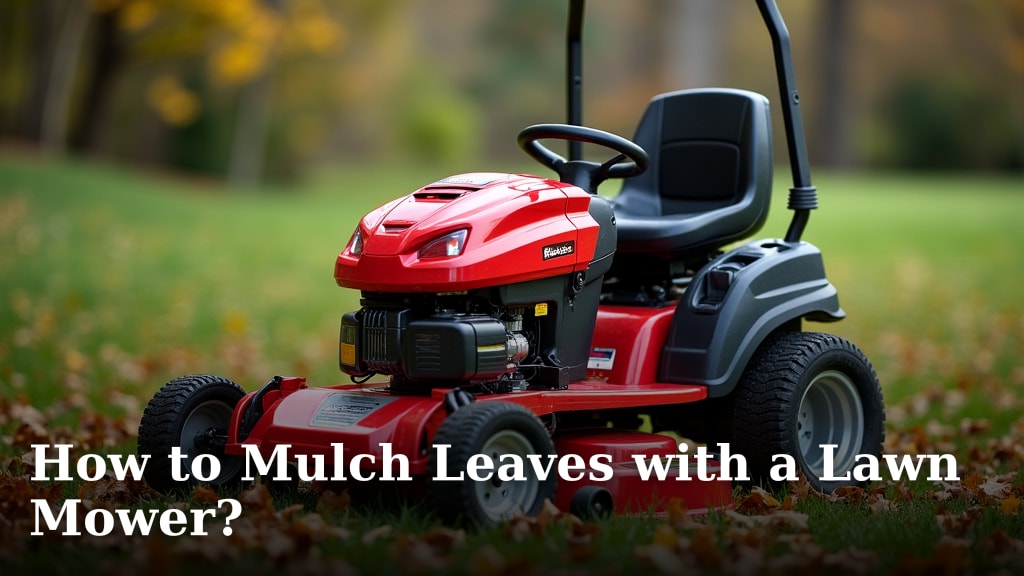
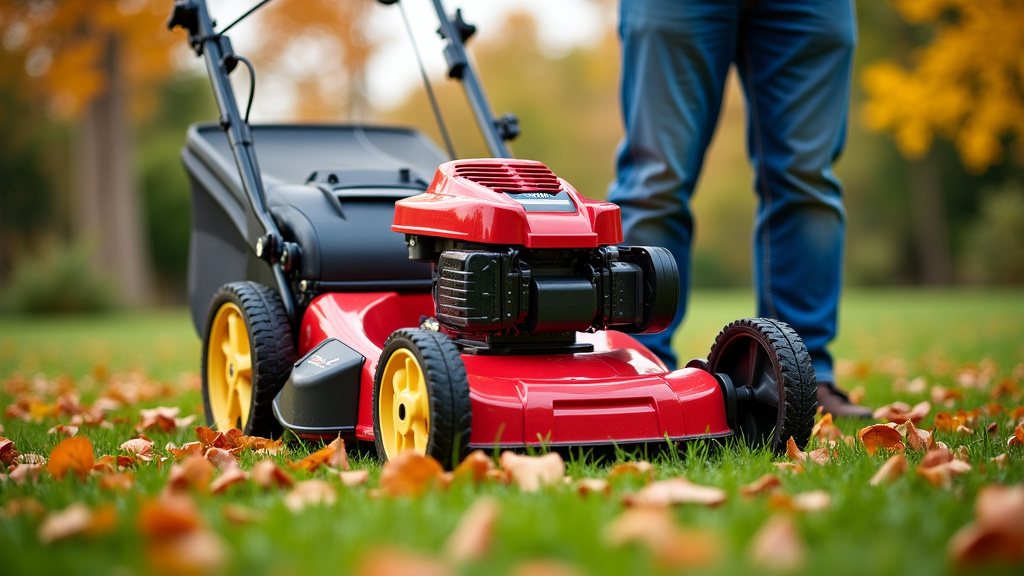
The easiest way to mulch leaves with a lawn mower is to simply drive over them repeatedly until they are broken down into small pieces. You can achieve excellent results with a standard mower, but a mulching mower or attachment performs best. This method is incredibly efficient for lawn care.
You can turn a messy yard into nutrient-rich 🌱 mulch in just minutes. Many homeowners find this a satisfying and eco-friendly way to deal with autumn leaves. It helps your soil and saves you effort.
TL;DR:
- Mow over leaves multiple times.
- A standard mower works; a mulching mower is better.
- Chop leaves into small pieces.
- Improve your lawn’s health naturally.
- Save time and avoid bagging leaves.
Ready to ditch the rake and transform your fall chores? Let’s walk through exactly how to mulch leaves with a lawn mower, step by step.
Getting Ready to Mulch Your Leaves
Transforming your fallen leaves into nutrient-rich mulch is easier than you might think. Before you start your mower, a little preparation goes a long way. Let’s get your lawn ready for this simple yet effective autumn task.
Safety First: Always Prioritize Protection
Working with a lawn mower requires attention to safety. You’re operating powerful machinery. Taking a few proactive steps can prevent accidents and ensure a smooth mulching experience for you.
Personal Protective Equipment
Protecting yourself is key. You’ll want to gather a few items before you begin. Think of it like dressing for success, but for lawn care.
- Strong, closed-toe shoes are essential. Your feet need protection from debris.
- Safety glasses or goggles will shield your eyes. Mowers can kick up small stones or twigs.
- Long pants offer additional protection for your legs. They guard against flying bits and minor scrapes.
- Hearing protection is a good idea. Mowers are loud, and prolonged exposure can be harmful (OSHA recommendations).
Don’t skip these steps. Your personal safety is far more important than saving a few minutes.
Pre-Mowing Yard Check
Before you even pull the starter cord, take a quick walk around your yard. This quick check can save you a lot of trouble. You’re looking for anything that shouldn’t be there.
- Remove any large sticks or branches. These can damage your mower blades.
- Pick up toys, hoses, or other obstacles. They can get tangled or thrown, becoming dangerous projectiles.
- Ensure no pets or small children are nearby while you’re mulching. Keep them safely indoors.
A clear lawn means a safer and more efficient mulching session for you. It’s a small effort with big rewards.
Choosing the Right Mower for the Job
You can mulch leaves with almost any lawn mower. However, some mowers are definitely better suited for the task. Understanding your options helps you achieve the best results.
Standard Mowers vs. Mulching Mowers
What’s the difference between your everyday mower and one designed for mulching? It comes down to blade design and deck shape. You can still get good results with a standard mower, with a little more effort.
| Mower Type | Key Features for Mulching | Considerations for You |
|---|---|---|
| Standard Side-Discharge Mower | Basic blades; ejects clippings out the side. | Requires more passes to finely chop leaves; can leave clumps. |
| Bagging Mower (with bag removed) | Often has a somewhat enclosed deck; draws leaves up. | Better containment of leaves; still may need multiple passes. |
| Mulching Mower | Specialized mulching blades and a circular deck design. | Excellent at chopping leaves into very fine pieces; often needs fewer passes. |
| Mower with Mulching Kit (aftermarket) | Includes mulching blades and a plug for the discharge chute. | Converts a standard mower for improved mulching; a cost-effective upgrade. |
If you’re serious about mulching, a dedicated mulching mower or a mulching kit is a smart investment. It saves you time and produces better mulch for your lawn.
Your Step-by-Step Guide to Leaf Mulching
Now that you’re prepared and ready, let’s get down to the actual mulching. This process is straightforward. You’ll be amazed at how quickly those piles disappear.
Optimizing Your Mowing Technique
The way you mow makes a big difference in how well your leaves are mulched. It’s not just about cutting grass anymore. You’re actively breaking down organic material.
Start with Dry Leaves
This is probably the most important tip. Always wait for dry leaves. Wet leaves are heavy and clump together. Your mower will struggle to chop them effectively.
- Dry leaves are crisp and light. They break apart easily.
- Wet leaves can clog your mower deck. This limits its efficiency.
- Mulching wet leaves often results in chunky, matted piles. This isn’t ideal for your lawn.
Imagine trying to chop a wet sponge versus a dry cracker. You get the idea. Aim for those sunny, dry autumn afternoons.
Adjust Your Mower’s Height
Setting your mower deck to the correct height is crucial. You don’t want to scalp your lawn, but you do need to engage the leaves effectively. We found that a slightly higher setting often works best.
- Set your mower to its highest setting first. This is usually around 3-4 inches.
- This allows the mower to “float” over the leaves. It creates suction to pull them up.
- It prevents scalping your grass. You’re aiming to shred leaves, not damage your lawn.
Starting high gives you room to maneuver. You can always lower it slightly on subsequent passes if needed. But usually, high is the way to go.
Making Multiple Passes
Expect to go over your leaves more than once. This is rarely a one-and-done job. Think of it like taking multiple, gentle sweeps to clean a dusty floor.
- Aim for 2-3 passes over the same area. The goal is to reduce leaves to dime-sized pieces.
- Your first pass will break up the bulk. Subsequent passes refine the mulch.
- The finer the pieces, the quicker they decompose. This benefits your soil more effectively.
Patience here pays off. You want those leaves to almost disappear into the grass. Small pieces are the secret.
Understanding Mulch Depth and Distribution
Once you’ve chopped your leaves, you have instant, free compost! But how much is too much? And how do you ensure it benefits your lawn?
The “Dime-Sized” Rule
This is your golden rule for ideal leaf mulch. You want the shredded leaves to be no larger than a dime. Why this specific size?
- Small pieces fall easily between grass blades. They reach the soil.
- They decompose rapidly. This releases nutrients quickly.
- Large pieces can smother your grass. They block sunlight and airflow.
If you still see large leaf fragments, simply mow over them again. Keep going until they meet the dime-sized standard.
Benefits of Leaf Mulch for Your Lawn
You’re not just getting rid of leaves. You’re actively fertilizing your lawn! Many experts say this is one of the best things you can do for your soil (University Extension programs often highlight this).
Here’s a quick checklist of the benefits:
- Adds vital nutrients: Decomposing leaves release nitrogen, phosphorus, and potassium.
- Improves soil structure: Organic matter helps soil retain water and improves drainage.
- Feeds beneficial microbes: A healthier soil ecosystem supports a healthier lawn.
- Suppresses weeds: A light layer of mulch can help block weed seeds from germinating.
- Protects grass roots: Provides insulation against temperature extremes.
You’re creating a natural cycle of nourishment. It’s truly a win-win situation for you and your lawn.
Troubleshooting and Best Practices
Even with the best preparation, you might encounter a few quirks during mulching. We’ve compiled some common issues and clever solutions. You’ll feel more confident tackling any challenge that comes your way.
Dealing with Very Thick Leaf Cover
Sometimes, the leaves are just too much for one go. You might be looking at a several-inch-thick blanket. What then?
- Break it into sections: Don’t try to clear everything at once.
- Rake leaves into manageable rows: Concentrate them into narrower strips first.
- Mow one row at a time: This gives your mower a fighting chance.
- Consider bagging some: If it’s truly overwhelming, bag a portion and mulch the rest.
Think of it like eating a large meal. You tackle it one bite at a time. Your mower will thank you for not overwhelming it.
When to Bag vs. Mulch
While mulching is fantastic, there are times when bagging might be a better choice. You need to assess your situation and make the best call.
- Diseased leaves: If your trees had an infection (like powdery mildew or rust), bag those leaves. You don’t want to spread spores.
- Too much depth: Even after multiple passes, if the leaf layer is too thick (more than an inch or so of finely mulched material), consider bagging some.
- Acidic leaves: Some leaves, like oak or pine, can be quite acidic. A light layer is fine, but excessive amounts can alter soil pH.
Listen to your lawn. If it looks stressed after mulching, you might have left too much. Aim for balance.
Conclusion
You’ve now got all the know-how to turn those bothersome autumn leaves into a beneficial gift for your lawn. By following these straightforward steps, prioritizing safety, and choosing the right approach for your yard, you can transform a chore into a rewarding process.
You’re not just clearing your yard; you’re actively enriching your soil, saving time, and contributing to a healthier environment. So, next fall, keep that rake in the shed. You’ll enjoy the greener, healthier lawn you’ve helped create.
Frequently Asked Questions
Can I mulch leaves with a riding lawn mower?
Yes, you absolutely can mulch leaves with a riding lawn mower. The principles are the same: make multiple passes, ensure leaves are dry, and aim for dime-sized pieces. Riding mowers often cover more ground quickly, making the process even faster for larger yards.
Will mulching leaves harm my grass?
No, mulching leaves properly will not harm your grass; it actually helps it. When leaves are shredded to a fine consistency and evenly distributed, they decompose and act as a natural fertilizer. This enriches your soil and promotes a healthier, greener lawn.
How often should I mulch leaves during the fall?
You should mulch leaves whenever a significant layer accumulates on your lawn, typically once a week or every ten days during peak leaf fall. This prevents them from becoming too thick and smothering your grass. Regular, lighter mulching is much easier than tackling huge piles.
What if I have too many leaves to mulch all at once?
If you have an overwhelming amount of leaves, don’t try to mulch them all in one go. You can rake some into manageable rows or piles and mulch small sections at a time. If it’s truly excessive, bag some for disposal first, then mulch the rest.
Can I use mulched leaves in my garden beds?
Absolutely! Finely mulched leaves are excellent for garden beds. They act as a natural weed barrier and slowly release nutrients as they break down, improving soil structure. Just spread a 2-3 inch layer over your garden beds after mulching them on your lawn.
