
What Is a Mulching Mower?
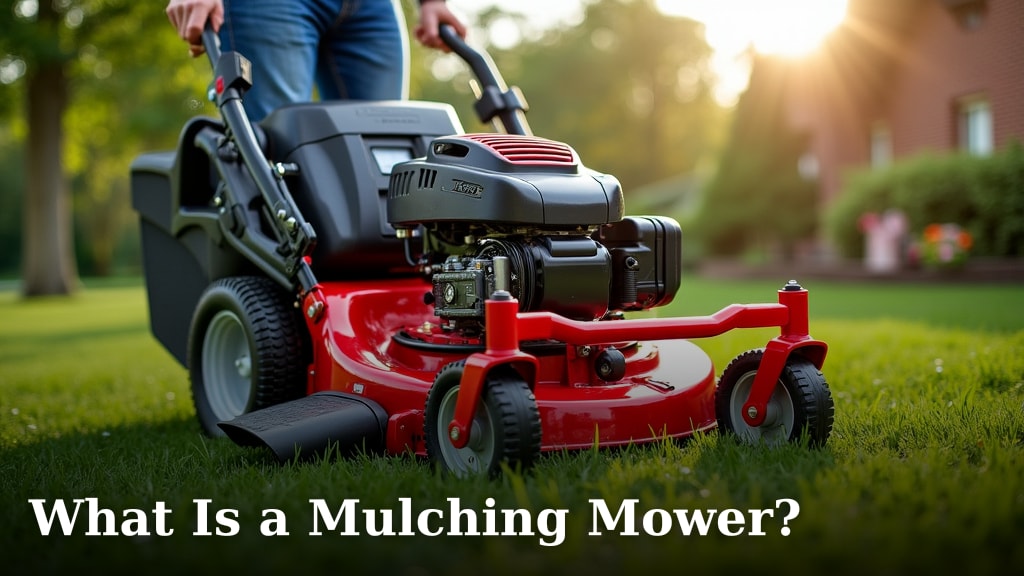
A mulching mower is a type of lawnmower designed to cut grass blades into tiny pieces and return them to your lawn. This process, called mulching, recycles nutrients back into your soil. Essentially, it’s a very efficient grass recycler for your yard.
You might be wondering, “Why chop up my grass instead of bagging it?” Well, these specialized mowers turn clippings into a fine mulch, acting as a natural fertilizer. This can greatly improve your lawn’s health and save you time and effort.
- A mulching mower cuts grass into very small pieces.
- These tiny clippings then fall back onto your lawn.
- This acts as a natural fertilizer, feeding your grass.
- It saves you the trouble of bagging and disposing of clippings.
- The result is often a healthier, greener lawn with less work.
Ready to learn more about how these clever machines work and why they might be the perfect fit for your yard? Let’s dive in and demystify the mulching mower.
Understanding Mulching Mower Technology
Mulching mowers are designed with a specific purpose: to process grass clippings efficiently. They don’t just cut your grass; they refine it. This specialized action is what sets them apart from traditional mowers.
How Mulching Mowers Work: The Science Behind the Cut
Wondering how a mulching mower turns ordinary grass into fine, lawn-loving nutrition? It boils down to a few key design elements working together. It’s more than just a typical blade spinning around. There’s a method to the magic, ensuring those clippings are perfectly prepared for your lawn.
Specialized Blades for Finer Cuts
The heart of a mulching mower lies in its unique blades. Unlike standard mower blades designed for a single cut, mulching blades have multiple cutting surfaces, or often, an enhanced curvature. This design creates a powerful uplift and recutting action. They ensure that grass is chopped not just once, but multiple times. This results in much smaller pieces than you’d get from a regular mower blade (University of Maryland Extension).
Optimized Deck Design for Recirculation
Beneath the mower, the deck isn’t just a cover; it’s a carefully engineered chamber. Mulching mower decks are typically deeper and have a more enclosed design compared to conventional models. This unique shape keeps the grass clippings circulating within the deck for longer. This recirculation is crucial. It forces the clippings to encounter the specialized blades repeatedly, ensuring they are finely shredded before dropping back onto your lawn.
Key Benefits You’ll Enjoy with a Mulching Mower
Once you understand how mulching mowers work, their advantages become clear. Many homeowners find that these mowers offer a range of practical and environmental benefits. You’re not just mowing; you’re nurturing your lawn in several ways, often with less effort than you might expect.
- Natural Fertilization: The tiny clippings decompose quickly. They release essential nutrients like nitrogen, phosphorus, and potassium back into your soil. This acts as a slow-release, natural fertilizer, enriching your lawn’s health.
- Moisture Retention: A thin layer of mulched grass helps shade the soil. This reduces water evaporation, meaning your lawn can retain moisture better. This can be especially helpful during dry spells, potentially reducing your need for frequent watering.
- Weed Suppression: While not a complete weed killer, the layer of fine clippings can help block weed seeds from reaching the soil and germinating. This creates a less hospitable environment for new weeds to take root.
- Time and Effort Savings: One of the biggest draws! You eliminate the need to bag clippings, haul them to the curb, or compost them separately. This saves significant time and physical effort on every mow day.
- Reduced Landfill Waste: By returning clippings to your lawn, you prevent them from ending up in landfills. This is an environmentally friendly choice that benefits your local waste management systems.
- Healthier, Greener Lawn: The continuous feeding of nutrients and improved moisture retention often leads to a visibly greener, denser, and more resilient lawn over time. It’s like giving your grass a consistent, gentle spa treatment (Oregon State University Extension).
Choosing the Right Mulching Mower for Your Yard
So, you’re convinced a mulching mower is for you. Great! But with so many options available, how do you pick the best one? It involves thinking about your yard’s specific needs and your personal preferences. Let’s look at the factors that will guide your choice.
Dedicated Mulchers vs. 3-in-1 Mowers
When you start shopping, you’ll notice two main categories: mowers built solely for mulching and those that offer more versatility. Each has its pros and cons. Understanding the difference will help you decide which type best fits your mowing habits and lawn conditions.
Dedicated Mulching Mowers
These machines are designed from the ground up with one primary goal: superior mulching. They often feature highly specialized mulching decks and blade systems that are optimized for creating the finest possible clippings. If your main priority is an exceptional mulching job every time, and you rarely bag or discharge, a dedicated mulcher might be ideal. Their performance in mulching is often unmatched.
3-in-1 Mowers (Mulch, Bag, Side Discharge)
Most mulching mowers you’ll find today are actually “3-in-1” models. This means they offer the flexibility to mulch, bag clippings, or discharge them out the side. They usually come with an insert or baffle to close off the discharge chute for mulching. This versatility is incredibly useful. You can mulch most of the time, but switch to bagging when the grass is too long or you need a super neat finish. This adaptability makes them a popular choice for many homeowners.
Power Source: Electric vs. Gas Mulching Mowers
Another big decision is how your mower will get its power. The choice between electric and gas models often comes down to the size of your lawn, noise tolerance, and environmental considerations. Both types have distinct characteristics that might make one a better fit for you.
Electric Mulching Mowers (Corded & Cordless)
Electric mowers are generally quieter and emit zero emissions during operation. A corded electric mower is lightweight and requires no refueling, but your range is limited by the cord. Cordless (battery-powered) electric mulching mowers offer freedom of movement, similar to gas mowers, but are dependent on battery life. They are great for small to medium-sized lawns and offer easy maintenance. Battery technology has advanced significantly, providing impressive power and run times for many yards today.
Gas-Powered Mulching Mowers
For larger lawns or areas where power outlets aren’t accessible, gas mulching mowers are often the preferred choice. They tend to offer more power and longer run times without needing to recharge. Gas mowers generally handle thicker, taller grass more efficiently. However, they are louder, require regular fuel refills, and produce emissions. Maintenance is also a bit more involved compared to electric models.
Self-Propelled vs. Push Mowers
Finally, consider how much effort you want to put into pushing your mower. After all, one of the benefits of mulching is saving effort on bagging, so why not save effort on pushing too?
- Push Mulching Mowers: These are typically lighter and more affordable. You provide all the forward momentum. They are suitable for smaller, flat lawns where maneuverability is key and you don’t mind the physical exertion.
- Self-Propelled Mulching Mowers: These have a drive system that propels the mower forward, reducing the effort you need to expend. They are excellent for larger lawns, lawns with inclines, or if you simply prefer a less strenuous mowing experience. Many models offer variable speed controls, allowing you to match the mower’s pace to your walking speed.
Maintenance Tips for Your Mulching Mower
To ensure your mulching mower performs its best and lasts for years, a little maintenance goes a long way. Proper care isn’t just about longevity; it’s about optimizing its mulching capabilities. Keeping your mower in top shape ensures you get all those fantastic benefits we talked about earlier.
Keep Those Blades Sharp
This is perhaps the most critical tip for mulching performance. Dull blades rip and tear grass, leaving ragged edges and creating larger clippings that don’t decompose as effectively. Sharp blades make clean cuts. This results in finer mulched pieces that disappear seamlessly into your lawn. Aim to sharpen your blades at least once a season, or more frequently if you mow tough, thick grass or hit debris (Consumer Reports).
Clean the Mower Deck Regularly
Grass clippings can build up inside the mower deck, especially in the enclosed environment of a mulching deck. This buildup can impede the mulching action, prevent clippings from circulating properly, and even reduce airflow. After each use, or at least every few mows, scrape out any accumulated grass from the underside of the deck. This ensures optimal performance and prevents rust.
Don’t Forget the Engine (Gas Models)
For gas-powered mulching mowers, routine engine maintenance is vital. This includes checking and changing the spark plug, air filter, and oil according to your owner’s manual. A well-maintained engine runs more efficiently, provides consistent power, and makes your mulching job easier and more reliable. Sticking to the manufacturer’s schedule can prevent larger, more costly issues down the line.
| Maintenance Task | Why It’s Important for Mulching | Frequency |
|---|---|---|
| Sharpen Blades | Ensures finest cuts for quick decomposition | Annually (or more often for heavy use) |
| Clean Deck Underside | Prevents clogs, maintains clipping recirculation | After every other mow |
| Check/Change Oil (Gas) | Optimizes engine power for consistent cutting | As per owner’s manual (typically annually) |
| Inspect Air Filter (Gas) | Ensures clean air for efficient combustion | Seasonally or every 25 hours |
| Clean Battery/Terminals (Electric) | Maintains consistent power delivery | Monthly |
| Check Belts/Pulleys | Ensures proper blade and drive function | Annually |
Is a Mulching Mower Right for You? A Quick Checklist
Still on the fence? A mulching mower is a fantastic tool, but it works best under certain conditions. Consider these points to decide if it’s the perfect fit for your lawn care routine. Think about your goals for your yard and your comfort level with different mowing practices.
Use this quick checklist to see if a mulching mower aligns with your needs:
- Do you want to reduce or eliminate bagging grass clippings?
- Are you looking for an environmentally friendly way to manage lawn waste?
- Is improving your lawn’s health and appearance a top priority for you?
- Do you generally mow your lawn regularly (at least once a week)?
- Are you willing to keep your mower blades sharp for optimal performance?
- Is your lawn free from excessive weeds and thick, overgrown patches most of the time?
Conclusion
You’ve now got a solid understanding of what a mulching mower is and how it can transform your lawn care routine. From its specialized blades and deck design to the incredible benefits of natural fertilization and time savings, these machines offer a smarter way to maintain your yard. Choosing between electric or gas, push or self-propelled, depends on your unique lawn and preferences. Remember, regular maintenance, especially keeping those blades sharp, is key to unlocking its full potential.
If you’re ready for a healthier lawn with less effort and less waste, a mulching mower is definitely worth considering. Take this knowledge, assess your needs, and get ready to experience a greener, more vibrant lawn with ease.
Frequently Asked Questions
Can I use a mulching mower if my grass is wet?
While technically possible, it’s generally best to avoid mulching wet grass. Wet clippings tend to clump together, which can clog your mower deck and result in uneven distribution on your lawn. For optimal results, wait until your grass is dry.
Will a mulching mower cause thatch buildup on my lawn?
No, a well-maintained mulching mower using proper techniques will not cause thatch. Thatch is primarily composed of stems and roots, not finely chopped grass clippings. When clippings are small enough, they decompose quickly, adding nutrients rather than building up.
How often should I mow with a mulching mower?
For the best mulching performance, you should typically mow more frequently, about once a week. This ensures you’re only cutting off about one-third of the grass blade at a time, allowing the mower to create fine clippings that decompose quickly.
Do I still need to fertilize my lawn if I use a mulching mower?
Mulching provides significant natural fertilization, reducing but not always eliminating the need for additional fertilizer. It’s like a constant, light feeding. You might find you need less synthetic fertilizer or can apply it less often, depending on your soil and grass type.
What if my lawn is really overgrown initially? Can I still use a mulching mower?
If your grass is very long, it’s best to raise your mulching mower to its highest setting for the first pass. You might even need to bag or side-discharge the first cut to avoid overwhelming the mower. Once the grass is shorter, you can lower the deck and switch to mulching for subsequent cuts.
