
Why Is My Lawn Mower Smoking?
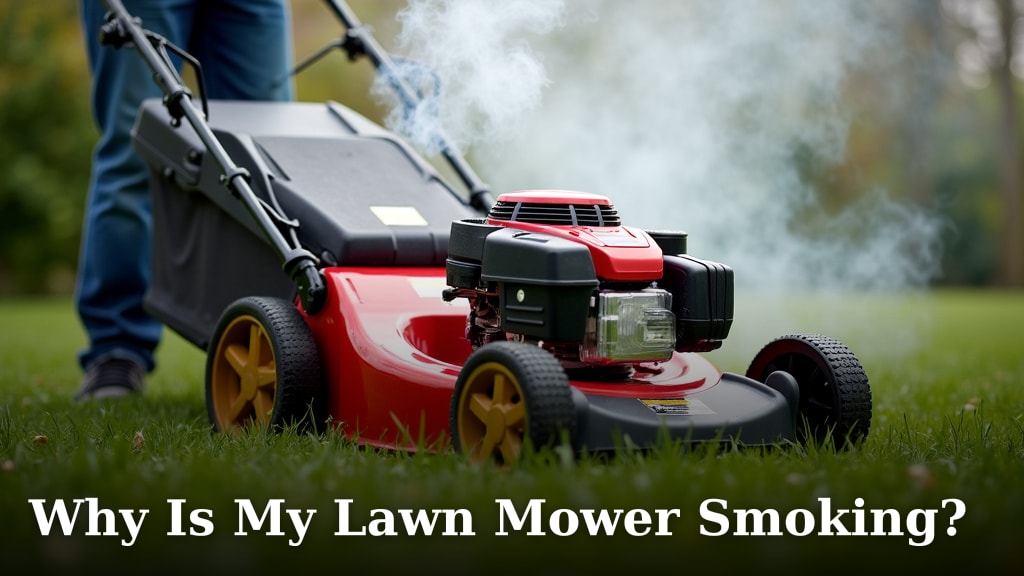
Your lawn mower is smoking because of overfilled oil, a tilted engine, or old fuel. This usually means a minor issue, but it needs your attention. Ignoring the smoke can lead to more serious problems or even engine failure.
You might see different colors of smoke, like white, blue, or black. Each color points to a different root cause for your lawn mower’s troubles. We found that most smoking issues are easy to fix yourself with a little guidance.
- Overfilled oil causes white smoke.
- Tilted mowers can leak oil into the muffler.
- Blue smoke often means oil is burning.
- Black smoke suggests a fuel problem.
- Muffler issues can also cause smoke.
Ready to figure out what’s going on under the hood? Let’s walk through the common reasons your lawn mower might be smoking and how to get it running smoothly again.
Understanding Your Smoking Lawn Mower
You’ve seen the smoke, now let’s figure out why it’s happening. Different colors of smoke tell different stories. Think of it like your mower trying to talk to you. We found that identifying the smoke color is your first big clue.
Each smoke color usually points to a specific issue. Is it white, blue, or black? Knowing this helps you narrow down the problem and find a solution much faster.
White Smoke: Is It Steam or Burning Oil?
White smoke can be a bit tricky. Sometimes it’s just steam, especially on a damp morning. But other times, it’s a sign of something more concerning, like oil burning off. Let’s look closer at what causes white smoke.
Overfilled Oil
This is a super common reason for white smoke. If you’ve recently added oil, you might have put in too much. When the oil level is too high, it can get forced into places it shouldn’t be, like the muffler. This creates that tell-tale white smoke. Always check your dipstick carefully (Consumer Reports).
To fix this, you’ll need to drain some of the excess oil. You can use a siphon pump or simply drain a small amount from the oil plug. Make sure the mower is cool before you do this. Then, recheck the oil level to ensure it’s just right.
Mower Tilted on Its Side
Did you tilt your mower to clean the deck or sharpen the blade? If you tipped it the wrong way, oil might have leaked into the exhaust system. This is a common mistake and often results in white smoke for a few minutes once you start it up again. Many experts recommend tilting the mower so the air filter is facing up. This prevents oil from flowing into unwanted areas.
If this happened, don’t panic. The smoke should clear up after a few minutes of running the engine. If it doesn’t, you might have a more persistent oil leak. Just let the engine run to burn off the excess oil. It usually resolves itself.
Internal Engine Issues
Sometimes, white smoke can signal a more serious internal problem. If you see persistent white smoke that smells sweet, it could mean water or coolant is getting into the combustion chamber. This is often due to a blown head gasket. A blown head gasket is a bigger repair, often requiring a professional.
How can you tell the difference? If the smoke is thick and constant, even after clearing excess oil, and has a sweet smell, it’s worth getting it checked out. Most small engines don’t use coolant, so if it’s not a liquid-cooled engine, it’s likely not a head gasket issue.
Blue Smoke: You’re Burning Oil
Blue smoke is a strong indicator that your engine is burning oil. This isn’t ideal because it means oil is getting into the combustion chamber and being burned along with the fuel. This can reduce engine performance and eventually cause damage.
Worn Piston Rings or Cylinder Walls
Over time, the internal components of your engine wear out. Piston rings create a seal that keeps oil out of the combustion chamber. If these rings are worn, or if the cylinder walls are scored, oil can sneak past them. This oil then burns, producing blue smoke (SAE International).
If you have an older mower, this is a likely culprit. You might also notice a drop in engine power or an increase in oil consumption. Unfortunately, fixing worn rings or cylinder walls usually requires a significant engine overhaul. Sometimes, it’s more cost-effective to replace the mower if it’s very old.
Worn Valve Seals
Some lawn mower engines have valve seals that prevent oil from leaking down the valve stems into the combustion chamber. Just like piston rings, these seals can wear out over time. When they do, oil can seep past them and burn, creating blue smoke.
This issue is less common in simpler small engines but can occur. If you suspect worn valve seals, it’s generally a job for an experienced mechanic. It involves disassembling part of the engine to access and replace the seals.
Black Smoke: Fuel System Problems
Black smoke is a sign that your engine is running too rich. This means there’s too much fuel and not enough air in the combustion mixture. It’s like your engine is choking on fuel. This isn’t efficient and can cause performance issues.
Clogged Air Filter
Your air filter is super important. It cleans the air going into your engine. If it’s clogged with dirt, dust, or grass clippings, your engine won’t get enough air. This creates an imbalance, leading to a rich fuel mixture and black smoke (Briggs & Stratton).
This is one of the easiest things to check and fix. Simply remove your air filter and inspect it. If it looks dirty, clean or replace it. Foam filters can often be washed, while paper filters usually need to be replaced. Doing this regularly is a good maintenance habit.
Dirty Carburetor
The carburetor mixes air and fuel. If it’s dirty or has a clogged jet, it might be delivering too much fuel to the engine. Old, stale fuel can leave deposits in the carburetor, causing these issues. This excess fuel then creates black smoke. Sometimes, the choke can also get stuck in the closed position, causing a similar effect.
Cleaning a carburetor can be a bit more involved. You might need to disassemble it and use a carburetor cleaner spray. If you’re not comfortable doing this yourself, a small engine mechanic can help. Regular use of a fuel stabilizer can help prevent carburetor issues.
Improper Choke Use
Have you ever started your mower with the choke on and left it on too long? The choke restricts airflow, creating a richer mixture for cold starts. If you forget to push the choke off once the engine warms up, it will continue to run rich, producing black smoke. It’s a simple mistake with an easy fix.
Just make sure to disengage the choke once your engine is running smoothly. Most modern mowers have an automatic choke or clear indicators for when the choke should be on or off. Check your owner’s manual if you’re unsure.
Why Muffler Smoke Happens
Sometimes, the smoke isn’t coming from the engine itself but from the muffler. This usually happens when something gets on the hot surface of the muffler and burns off. It’s often less serious but still warrants a quick look.
Grass and Debris on the Muffler
As you mow, grass clippings and other yard debris can accumulate on and around the engine, including the hot muffler. When these organic materials touch the hot surface, they can char and burn, creating a smoky plume. This smoke might smell like burning grass or leaves.
This is usually harmless, but it’s good practice to keep your engine and muffler clean. After each use, let your mower cool down and then brush off any accumulated debris. This prevents potential fire hazards and keeps things running clean.
Oil Leaks onto the Muffler
If you have a small oil leak from a gasket or seal, that oil can drip onto the hot muffler. The oil will then burn off, producing white or bluish smoke. This isn’t the engine burning oil internally, but rather oil burning externally on a hot surface. We found this is a common issue on older machines (Popular Mechanics).
You’ll need to locate the source of the oil leak. It might be a loose oil cap, a worn gasket, or a crack in the engine block. Once you find the leak, addressing it will stop the smoke. Sometimes, simply tightening a bolt can solve the problem.
Checklist for a Smoking Mower
Feeling overwhelmed? Here’s a quick checklist to help you systematically troubleshoot your smoking lawn mower:
- Check Oil Level: Is it too high? Is it too low? Adjust as needed.
- Inspect Air Filter: Is it clogged or dirty? Clean or replace it.
- Verify Choke Position: Is it disengaged after starting? Ensure it’s off.
- Examine Muffler for Debris: Are there grass clippings or oil on it? Clean thoroughly.
- Look for Visible Oil Leaks: Do you see drips or wet spots around the engine? Pinpoint the source.
- Consider Fuel Freshness: Is your gasoline old or contaminated? Replace with fresh fuel.
| Smoke Color | Common Cause | Solution |
|---|---|---|
| White | Overfilled oil, tilted mower, internal leak | Drain excess oil, run engine to clear, professional help for internal issues |
| Blue | Burning oil (worn rings/seals) | Engine overhaul, professional assessment |
| Black | Rich fuel mixture (clogged filter/carburetor) | Clean/replace air filter, clean carburetor, check choke |
| From Muffler | Debris or external oil leak | Clean muffler, fix external leak |
When to Call a Professional
While many smoking issues are simple DIY fixes, there are times when it’s best to call in the experts. If you’ve tried the basic troubleshooting steps and your mower is still smoking, or if you suspect a major internal engine problem, don’t hesitate to seek professional help.
Complex repairs, like replacing piston rings or overhauling a carburetor, often require specialized tools and knowledge. A professional can quickly diagnose the problem and perform the necessary repairs, saving you time and potential frustration. Sometimes, the cost of repair might even outweigh the value of an older mower.
Conclusion
Seeing smoke from your lawn mower can be concerning, but as we’ve explored, it often points to a
minor, fixable issue. Whether it’s white, blue, or black smoke, each color offers a distinct clue about what’s happening under the hood. You now have the knowledge to interpret these signals, from
overfilled oil to a clogged air filter, and take corrective action.
Don’t let a little smoke deter you from maintaining a healthy lawn. By understanding these common causes, you can often
diagnose and resolve the problem yourself, saving time and money. Remember, addressing the issue promptly can
prevent more serious damage and keep your mower running smoothly for seasons to come.
Frequently Asked Questions
Is it safe to keep mowing if my lawn mower is smoking?
No, it’s generally not safe. Continuing to mow with a smoking engine can
lead to further damage, engine failure, or even a fire hazard depending on the cause of the smoke. We recommend you
shut it down immediately and investigate the source of the smoke.
How long should I let my mower run to clear white smoke after tilting it?
If you’ve tilted your mower and see white smoke, it’s usually just oil burning off the exhaust. We found it typically clears up within
5 to 15 minutes of running. If the smoke persists longer, or is very thick, you might have another issue.
Can old gas really cause my lawn mower to smoke?
Yes, old or stale gasoline can definitely contribute to black smoke. Over time, gasoline can break down and leave deposits,
clogging the carburetor and causing a rich fuel mixture. Always use
fresh, clean fuel and consider a fuel stabilizer if you store gas for long periods.
My lawn mower smells like burning grass and is smoking. What’s wrong?
If the smoke smells like burning grass or leaves, it’s very likely that
grass clippings or debris have accumulated on the hot muffler. We suggest letting the mower cool down completely, then
carefully cleaning off all external debris from the engine and muffler areas.
When should I consider replacing my lawn mower instead of repairing it?
You should consider replacing your mower if the
cost of repair exceeds the value of the machine, especially for older models. We often see that major internal engine problems, like worn piston rings, can be
expensive to fix, making a new mower a more economical choice.
