
Why Is My Lawn Mower Leaking Oil?
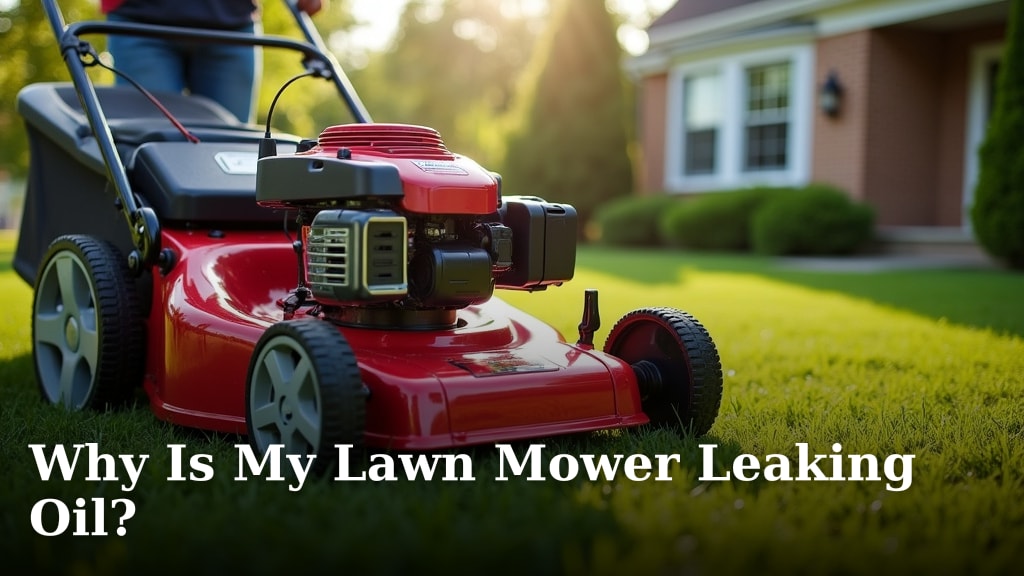
Your lawn mower is leaking oil because of several common issues, including an overfilled oil crankcase, a loose oil drain plug, or a damaged oil seal. These problems often lead to puddles of oil under your mower, which can be messy and damaging.
When you spot an oil leak, it’s important to act quickly. Ignoring it can cause more serious engine problems and cost you more in repairs down the line. We understand how frustrating it can be to find your mower dripping oil, especially when you’re ready to tackle yard work.
- Your mower likely has too much oil.
- The oil cap or drain plug might be loose.
- A damaged gasket or seal could be the culprit.
- The mower might be tipped incorrectly.
Ready to figure out exactly why your lawn mower is leaking oil and how to fix it? Let’s walk through the common reasons and solutions together.
Common Reasons for Your Mower’s Oil Leak
Discovering an oil leak can be unsettling. Let’s break down the most common culprits so you can quickly identify the problem.
Overfilling the Crankcase
This is perhaps the most frequent cause of oil leaks. When you add too much oil, the engine simply can’t hold it all. Think of it like trying to overfill a glass of water; eventually, it spills over.
- An overfilled crankcase creates excessive pressure inside the engine.
- This pressure forces oil out through the weakest points, like seals or gaskets.
- Always check your owner’s manual for the correct oil capacity for your specific mower.
- Using the dipstick correctly is key. Insert it, pull it out, wipe it clean, reinsert it fully, then pull it out again for an accurate reading.
Loose or Damaged Oil Cap/Drain Plug
These components are your engine’s first line of defense against leaks. If they aren’t secure, oil will find its way out.
The Oil Filler Cap
Your oil filler cap, often located on top of the engine, keeps oil in and dirt out. If it’s not tightened properly or if its seal is cracked, oil can seep past it. We’ve seen many cases where a simple twist of the cap stops a noticeable leak.
The Oil Drain Plug
The drain plug is at the bottom of the engine, allowing you to drain old oil. If it’s not tightened correctly after an oil change, or if its washer is worn, you’ll see a leak. A cracked drain plug itself is rare but possible after an impact.
Tipping Your Mower Incorrectly
This is a common mistake many of us make. When you tip your mower to clean the deck or access the blades, it’s crucial to tip it the right way. Tipping it incorrectly can cause oil to flow into places it shouldn’t be.
- Always tip your mower so the spark plug faces upwards.
- If the spark plug faces down, oil can drain into the muffler or air filter, causing smoke and leaks.
- Many manufacturers recommend tipping the mower on its side with the carburetor facing up.
- Check your owner’s manual for the correct tipping procedure for your model.
Worn or Damaged Gaskets and Seals
Gaskets and seals are like the weatherstripping around your windows; they prevent leaks. Over time, these can wear out or become brittle, leading to oil seepage. This is a very common issue on older machines (Briggs & Stratton).
Valve Cover Gasket
This gasket seals the valve cover to the engine head. If it cracks, oil can leak down the side of the engine. It’s often visible as a dark, oily stain.
Crankshaft Oil Seals
These seals are located where the crankshaft extends from the engine, both at the top (under the flywheel) and bottom (where the blade attaches). They keep oil inside. If they fail, you’ll see oil pooling directly under the mower or dripping from the blade area. Damage to these seals is a common reason for a leak.
Oil Filter Gasket
If your mower has an oil filter, its gasket can also be a source of leaks. A loose filter or a worn gasket can allow oil to escape around the filter housing.
The National Safety Council notes that proper maintenance, including checking seals, helps prevent environmental contamination from oil spills (National Safety Council).
Diagnosing Your Mower’s Oil Leak
Finding the source of a leak can feel like detective work. Here’s how to approach it methodically and efficiently.
Cleanliness is Key
Before you start, clean your mower’s engine thoroughly. A clean engine makes fresh oil leaks much easier to spot. Use a degreaser and a rag, then rinse it off carefully.
- Degrease the engine surface around suspected leak areas.
- Wipe away all old oil and grime.
- This provides a “clean slate” to observe new leaks.
Run the Engine Briefly
Once clean, run your mower for a few minutes. This allows the oil to circulate and pressure to build, which will highlight any active leaks.
Park the mower on a clean piece of cardboard or newspaper. This makes it easier to see where drips land. Observe closely for fresh oil, paying attention to its location.
Where Is the Oil Coming From?
The location of the leak tells a lot about the potential cause.
| Leak Location | Common Culprits |
|---|---|
| Around the oil filler cap | Loose or cracked oil cap, damaged O-ring/seal. |
| Underneath the engine, near the blade | Loose or stripped oil drain plug, worn crankshaft seal. |
| Along the side of the engine block | Cracked engine block (rare), valve cover gasket leak. |
| Near the exhaust or muffler | Tipped mower incorrectly (oil in muffler), overfilled crankcase. |
| Around the oil filter (if applicable) | Loose oil filter, damaged oil filter gasket. |
Quick Fixes You Can Try
Sometimes, the solution is simpler than you might think. Don’t be afraid to get a little hands-on.
Check Oil Level and Adjust
If you’ve recently added oil, check the dipstick again. Is it overfilled? If so, you’ll need to remove some oil. You can do this by using a siphon pump or by carefully draining a small amount through the drain plug. Remember, too much oil is just as bad as too little.
Tighten All Plugs and Caps
This is often the easiest and quickest fix. Ensure your oil filler cap is snug and your oil drain plug is tight. Do not overtighten, as this can strip threads or crack components. Hand-tighten the filler cap, and use a wrench for the drain plug according to your manual’s torque specifications (Consumer Reports).
Replace Gaskets and Seals
If the leak persists after checking the basics, a worn gasket or seal is likely the cause. This might require a bit more effort but is definitely doable for many DIYers.
- Identify the leaking gasket/seal (e.g., valve cover gasket, oil filter gasket).
- Purchase a replacement part specifically for your mower model.
- Carefully remove the old gasket/seal and install the new one.
- Always consult your mower’s service manual for specific instructions.
When to Call a Professional
While many leaks are manageable, some issues require expert attention. Knowing when to stop and call for help can save you time, money, and frustration.
You should consider professional help if:
- The leak source isn’t clear after your checks.
- You suspect a cracked engine block or casing (a rare but serious issue).
- The repair involves internal engine components you’re not comfortable accessing.
- You’ve tried the common fixes, and the leak persists.
- You simply don’t have the time or tools for the repair.
Conclusion
Dealing with a leaking lawn mower can be frustrating, but many common causes have straightforward solutions. By methodically checking your oil level, inspecting caps and plugs, and properly tipping your mower, you can often pinpoint and fix the issue yourself. Remember, regular maintenance helps prevent these problems. Don’t let a small leak turn into a bigger engine headache.
If you’ve gone through these steps and the leak persists, or if you suspect a more serious internal issue, don’t hesitate to reach out to a qualified small engine mechanic. Addressing the leak promptly will keep your mower running smoothly and extend its lifespan for many seasons to come.
Frequently Asked Questions
Is it safe to run my lawn mower if it’s leaking a little oil?
It’s generally not safe to run a mower with any oil leak. Even a small leak can indicate a bigger problem, potentially leading to insufficient lubrication and severe engine damage over time. It’s best to address the leak before continuing to use your mower.
How much does it cost to fix an oil leak on a lawn mower?
The cost varies greatly depending on the cause. A loose cap or drain plug might cost nothing to fix, while replacing a simple gasket could be under $50 for parts if you do it yourself. More complex issues like crankshaft seals or engine block damage could range from $100 to several hundred dollars for professional repair.
Can old oil cause my lawn mower to leak?
While old oil itself doesn’t directly cause leaks, it can contribute to the degradation of seals and gaskets over time. Dirty, sludgy oil can also clog parts, leading to increased pressure that might force oil out of weak points. Regular oil changes are essential for engine health.
What kind of oil should I use to top off my lawn mower?
Always refer to your mower’s owner’s manual for the specific oil type and viscosity recommended. Most modern lawn mowers use SAE 30 or 10W-30 oil. Using the incorrect oil can harm your engine and potentially exacerbate existing leak issues.
Can a clogged air filter cause an oil leak?
Indirectly, yes. A severely clogged air filter can restrict airflow, causing the engine to work harder and potentially build up excessive crankcase pressure. This pressure can then force oil out through the weakest seals or gaskets, mimicking a direct leak cause.
