
Why Is My String Trimmer Not Feeding Line?
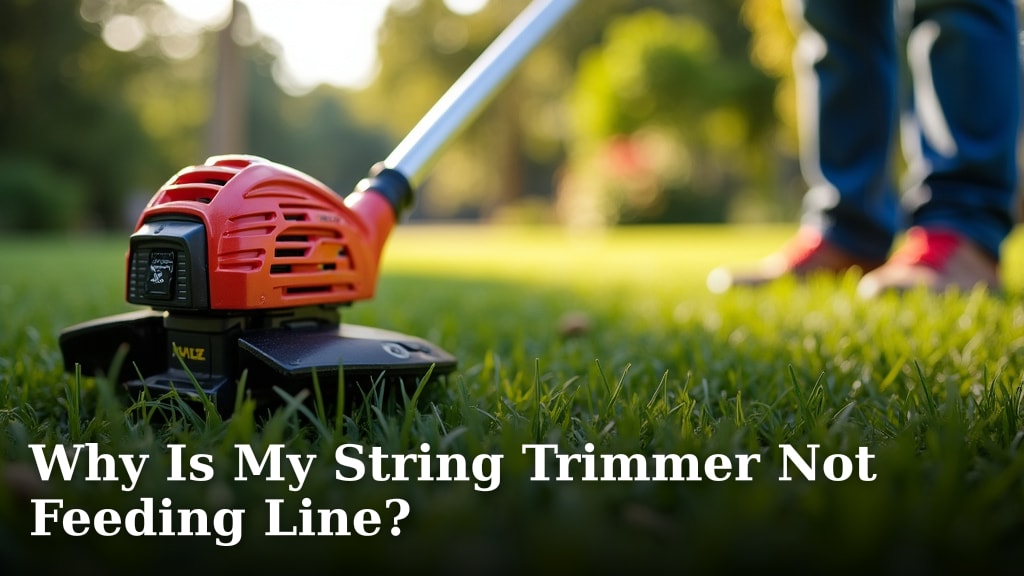
Your string trimmer is not feeding line, most often, because the line is tangled, stuck, or improperly wound on the spool. Other common reasons include a worn out or dirty trimmer head, or an issue with the cutting line itself, like using the wrong diameter line.
It’s super frustrating when your trimmer won’t feed line, turning a quick yard job into a headache. We’ve all been there, pulling our hair out while the weeds mock us. We found that most problems are simple fixes you can do yourself, often right in your garage. You just need to know where to look.
- Tangled or improperly wound line
- Stuck or fused cutting line
- Worn-out or dirty trimmer head
- Incorrect line type or diameter
- Issues with the feed mechanism
Don’t worry, we’re here to help you get that trimmer back in action. Let’s walk through the common culprits and how to fix them, so you can get back to a tidy lawn.
Troubleshooting Your Trimmer’s Line Feed Issues
When your string trimmer won’t feed line, it’s usually due to a few common problems. We found these issues are often simple to fix, getting you back to trimming in no time. Let’s break down the most likely culprits.
Line Problems: Tangled, Stuck, or Wrong Type
The cutting line itself is often the source of feeding issues. It’s the first place we look, and it’s usually the easiest to resolve. Think of it like a tangled fishing line – sometimes you just need to unwind and rewind it carefully.
Tangled or Improperly Wound Line
This is probably the most common reason for a non-feeding trimmer. If the line is not wound neatly on the spool, it can get jammed. Imagine a messy ball of yarn; it just won’t pull smoothly.
- How it happens: Line can get tangled if you wind it too loosely or too tightly. Sometimes, it can just get messy from use, especially with bump-feed trimmers.
- The fix: Carefully remove the spool from the trimmer head. Unwind all the line. Then, rewind it neatly and tightly, making sure each layer lies flat against the last. Avoid crossing lines.
Stuck or Fused Cutting Line
Sometimes, trimmer line can literally stick together, especially if it’s been sitting in the heat. This “fusing” makes it impossible for the line to feed out. It’s like having two pieces of tape stuck to each other, you can’t pull just one.
- How it happens: Heat and pressure, often from the friction of use or sitting in a hot garage, can cause the line to fuse together on the spool.
- The fix: Remove the spool. Look for any areas where the line appears melted or stuck. Separate these sections by hand, or if it’s too bad, replace the affected line with new.
Using the Wrong Type or Diameter Line
Believe it or not, not all trimmer line is created equal. Using the wrong size or kind can prevent it from feeding properly. It’s like trying to put a square peg in a round hole.
- Diameter issues: If the line is too thick, it won’t fit through the eyelets or the feed mechanism. If it’s too thin, it might break too easily or not activate the feed.
- Line type: Some trimmers prefer specific line types (e.g., round vs. twisted vs. star-shaped). Check your trimmer’s manual for the recommended specifications.
- The fix: Always consult your trimmer’s owner’s manual. It will tell you the exact diameter and type of line you should use. Replace any incorrect line with the manufacturer’s recommendation.
Trimmer Head and Mechanism Issues
Beyond the line itself, problems with the trimmer head or its internal feeding mechanism can stop line from coming out. These are a bit more mechanical, but still often DIY-friendly.
Worn-Out or Dirty Trimmer Head
The trimmer head takes a lot of abuse. Over time, parts can wear out or get gunked up, preventing the line from feeding smoothly. Think of it like a gear with worn teeth; it just won’t catch.
- Common issues: Dirt, grass clippings, and sap can build up inside the head, creating friction. Springs can lose their tension. Eyelets (where the line exits) can become worn or blocked.
- The fix:
- Clean the head: Remove the spool and thoroughly clean the inside of the trimmer head. Use a brush and some compressed air if needed.
- Inspect springs and parts: Check the spring(s) for proper tension. If it feels weak or is rusted, replace it. Look at any pawls or cams for wear.
- Clear eyelets: Ensure the holes where the line feeds out are clear of debris and not excessively worn. Worn eyelets can cause the line to bind.
Faulty Bump-Feed Mechanism
Most string trimmers use a “bump-feed” system. You tap the head on the ground, and a small amount of line feeds out. If this isn’t working, the problem could be inside the mechanism.
- How it works: Bumping the head causes a small clutch or pawl to release, allowing the spool to rotate slightly and feed more line.
- Potential problems: The spring might be weak, or the pawls might be stuck or broken. Dirt and debris can also prevent the mechanism from engaging.
- The fix: Disassemble the head according to your manual. Clean all components. Check the spring for proper tension and replace if necessary. Inspect the pawls or cams for damage.
Automatic Feed Malfunctions
Some trimmers feature an automatic line feed system. These use centrifugal force or an electronic sensor to feed line as it wears. If your automatic feed isn’t working, it’s often a sensor or motor issue.
- How it works: An automatic system senses when the line is too short and then extends it.
- Potential problems: Sensors can get dirty or fail. Small motors or gears that drive the feed can break down.
- The fix: Cleaning the sensor area is a good first step. If that doesn’t work, we found that diagnosing automatic feed issues often requires a technician or replacement of the feed module (Consumer Reports). It can be trickier than bump-feed systems.
The Quality of Your Trimmer Line Matters
It’s easy to think all trimmer line is the same, but quality makes a difference. Cheap, brittle line can cause constant headaches.
- Brittle line: Old or low-quality line can become brittle and break easily inside the trimmer head, preventing it from feeding.
- Storage: Storing line in direct sunlight or extreme temperatures can degrade its quality over time. Keep it in a cool, dry place.
- The solution: Invest in good quality, fresh trimmer line. Many experts suggest soaking new line in water for 24 hours before winding it onto the spool. This can make it more flexible and less prone to breaking (Yard & Garden Magazine).
Prevention and Maintenance Tips
A little preventative care goes a long way in keeping your string trimmer feeding smoothly. Regular maintenance can save you a lot of frustration later.
| Maintenance Task | Why It Helps | Frequency |
|---|---|---|
| Clean the trimmer head | Removes debris that can cause jams and wear. | After every few uses, or as needed. |
| Inspect the spool and line | Checks for tangles, fusing, or damage. | Before each use. |
| Check eyelets and springs | Ensures smooth line exit and proper feed mechanism function. | Monthly, or if feeding problems arise. |
| Store line properly | Prevents brittleness and degradation. | Always keep in a cool, dry place. |
| Use correct line type | Ensures compatibility with your trimmer’s design. | Always follow the manufacturer’s manual. |
Here’s a quick checklist you can use next time your trimmer acts up:
- Is the line wound correctly on the spool?
- Are there any fused sections of line?
- Is the trimmer head clean and free of debris?
- Are the springs and pawls working correctly?
- Are you using the right diameter and type of line?
- Is the line itself fresh and not brittle?
Conclusion
Dealing with a string trimmer that won’t feed line can be frustrating, but as we’ve found, most issues stem from simple problems you can fix yourself. Whether it’s a tangled spool, fused line, or a dirty trimmer head, a little careful inspection and maintenance often gets you back on track. By understanding these common culprits, you can approach troubleshooting with confidence. Don’t let a minor snag keep you from a perfectly manicured lawn.
Take the knowledge you’ve gained here, grab your trimmer, and give it the attention it needs to get back to smooth, efficient trimming.
Frequently Asked Questions
Why does my trimmer line keep breaking inside the head?
Line often breaks inside the head if it’s old, brittle, or of poor quality. Improper storage in hot or sunny conditions can also degrade the line, making it weak and prone to snapping. Ensure you’re using fresh, good-quality line and storing it correctly.
Can I use any brand of trimmer line in my string trimmer?
While many brands are interchangeable, it’s crucial to match the diameter and type of line recommended in your trimmer’s manual. Using the wrong size can lead to feeding issues, poor cutting performance, or even damage to your trimmer’s head mechanisms.
How often should I clean my string trimmer head?
We recommend cleaning your trimmer head after every few uses, especially if you’ve been cutting wet or thick grass. Regular cleaning prevents debris buildup that can jam the feed mechanism and cause unnecessary wear on components.
What’s the best way to store trimmer line to prevent it from fusing or becoming brittle?
Store your trimmer line in a cool, dry place, away from direct sunlight or extreme temperatures. Keeping it in its original packaging or a sealed container can also help protect it from environmental elements that cause degradation.
My trimmer worked fine, but suddenly stopped feeding line. What’s the first thing I should check?
If your trimmer suddenly stops feeding, the first thing to check is the line on the spool. Look for any tangles, overlaps, or sections where the line might have fused together. Often, carefully rewinding the line will resolve the issue quickly.
