
What Is a Reel Mower?
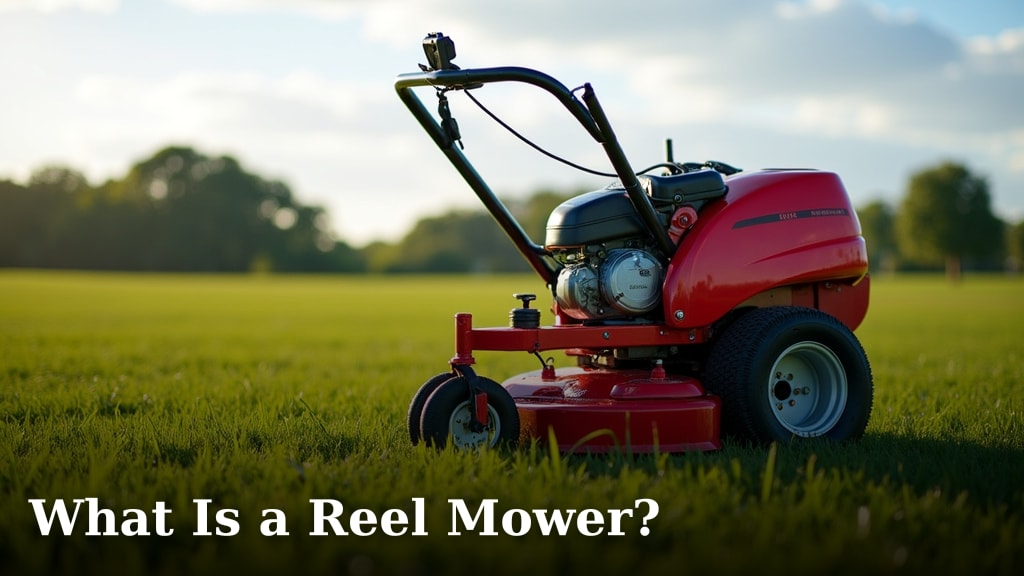
A reel mower is a human-powered lawn mower that cuts grass with a cylinder of blades. You push it, and the spinning blades snip the grass cleanly against a bedknife, like a sharp pair of scissors.
This classic tool has seen a major comeback. We found that many homeowners are rediscovering its benefits over gas or electric mowers. It offers a quiet, eco-friendly way to maintain your lawn without no engine noise or fuel. It’s especially great for smaller yards and achieving a neat, striped finish.
- A reel mower is pushed by hand and uses spinning blades to cut grass.
- It’s quiet, zero-emission, and great exercise for you.
- The cut is healthier for your grass, preventing tearing.
- It’s best for small, flat lawns with fine grass types.
- It struggles with tall, wet grass or weeds.
Below, we walk through exactly how a reel mower works, who it’s perfect for, and what to consider before buying one.
Understanding the Mechanics of a Reel Mower
A reel mower’s genius lies in its simple, precise mechanics. You don’t need fuel or a power cord. Your energy, applied by pushing, drives the entire cutting process. The system relies on two main parts working in perfect harmony to create that clean, scissor-like snip.
This is the heart of the machine. When you push the mower forward, the wheels turn. Through a gear system, that wheel rotation spins a horizontal cylinder—the reel. This cylinder has multiple curved blades attached to it, arranged like a pinwheel.
The Blade Cylinder and Shear Action
The magic happens at the point of contact. The spinning reel blades don’t just hack at grass. They slice it against a stationary, sharp blade called a bedknife. This creates a powerful shearing action, exactly like a pair of scissors closing. Each blade on the reel passes the bedknife in perfect alignment.
We found this shear cutting is healthier for your lawn compared to the hacking motion of rotary mowers. It creates a clean wound on the grass blade. The Missouri Botanical Garden notes this clean cut helps grass retain moisture and resist disease better than torn or ripped blades.
Why the Cut Matters for Lawn Health
A ragged, torn leaf tip is an open invitation for fungal disease and water loss. A clean shear seal cuts the grass cleanly, allowing it to heal quickly. This is one reason reel mowers are often favored on golf course greens where turf health and appearance are paramount. The result for your yard is often a deeper green, more resilient lawn.
Key Benefits of Choosing a Reel Mower
Beyond the precise cut, reel mowers offer a host of practical advantages. They aren’t just a nostalgic throwback; they solve real problems for many homeowners. Let’s look at the top benefits you can expect.
Truly Quiet Operation
The most immediate difference is the sound. Or rather, the lack of it. A reel mower is nearly silent in operation. You’ll hear the soft snip of the blades and the sound of your footsteps. There’s no engine roar, no exhaust fumes, and no noise complaints from neighbors. You can mow early on a Saturday morning without waking the household.
Zero Emissions and Great Exercise
A reel mower is the ultimate green machine. It produces zero emissions, both from a lack of exhaust and from its own manufacturing footprint. It’s a purely sustainable tool. Plus, pushing it provides a solid workout. The CDC includes push lawn mowing as a moderate-intensity physical activity, comparable to brisk walking. It’s a practical way to integrate exercise into your chores.
- Quiet enough to use anytime without disturbing anyone.
- Zero fuel costs and no carbon emissions from use.
- Promotes physical health through regular aerobic activity.
- Lightweight and easy to store in a garage or shed.
Simplicity and Low Maintenance
With no engine, there are no spark plugs, oil changes, carburetors to clean, or fuel stabilizers to add. The maintenance is straightforward. You primarily keep the blades sharp, clean the reel, and occasionally lubricate the wheel gears. This simplicity means fewer things can break, saving you time and money on repairs.
Ideal Conditions for a Reel Mower
A reel mower shines in specific scenarios. It’s not a one-size-fits-all tool, but it’s perfect in the right setting. If your yard matches these conditions, you’ll have a fantastic experience.
Lawn Size and Terrain
Reel mowers are best suited for small to medium-sized yards. Typically, this means lawns under 5,000 square feet. They also perform best on flat, even terrain. Hills and steep slopes can make pushing difficult and compromise the cut quality as the reel may lift off the ground.
Grass Type and Growth
Fine-bladed grasses like Bermuda, zoysia, fescue, and ryegrass are ideal. They cut easily and cleanly. The mower also performs best when cutting only the top one-third of the grass blade. This means you’ll need to mow more frequently—about every 2-3 days during peak growth—than you would with a gas mower.
| Feature | Reel Mower | Standard Rotary Mower |
|---|---|---|
| Best for | Small, flat, well-maintained lawns | All lawn sizes, uneven terrain |
| Cut Quality | Scissor-like, clean cut | Hacking, tearing action |
| Handles Tall Grass | Poorly | Well |
| Handles Weeds | Very poorly | Well |
| Ideal Grass | Fine, soft grass types | Most common grass types |
| Noise Level | Extremely quiet | Loud (gas), moderate (electric) |
Common Limitations to Consider
Being honest about what a reel mower can’t do is just as important. We found that setting the right expectations upfront leads to greater satisfaction. Here are the main challenges you might face.
Tackling Tall or Wet Grass
A reel mower will struggle, bog down, and potentially bend its blades if you let your grass grow too long. It’s not designed for weekly catch-up cuts after weeks of rain. You must maintain a consistent mowing schedule. Likewise, you should never mow when the grass is wet, as it will clump and clog the blades, resulting in a terrible cut.
The Weed Challenge
This is the biggest hurdle for many homeowners. A reel mower is not a weed warrior. Broad-leafed dandelions, plantain, or tough, woody weed stems can jam the reel or simply bend over without being cut. For a lawn with significant weed pressure, a reel mower alone is often insufficient. You’ll need to manage weeds through other means first.
Essential Maintenance for Peak Performance
Keeping your reel mower in top shape is simple but necessary. Sharp blades are everything. Dull blades will tear grass instead of cutting it, defeating the purpose. Most manufacturers recommend sharpening the blades once a year, or more often for very large lawns.
Daily and Seasonal Care
After each use, you should turn the mower over and brush out any grass clippings, dirt, or debris from the reel and bedknife. A stiff brush or putty knife works well. This prevents buildup that can rust the blades and hamper performance. At the start and end of the season, a light lubrication of the wheel bearings with a dry lubricant keeps things spinning smoothly.
What to Look for When Buying a Reel Mower
If you’ve decided a reel mower is right for you, a few key features can make a big difference in your daily use. Don’t just grab the first one you see. Consider these factors to get the best tool for your yard.
Width, Weight, and Adjustability
The cutting width determines how many passes you’ll need. A wider mower (16-18 inches) is faster but heavier. A lighter mower (under 30 lbs) is easier to push and maneuver but may be less stable. Most importantly, ensure the mower has an easy-to-use height adjustment lever. You’ll want to change the cutting height regularly based on the season and rain.
- Cutting Width: Match to your lawn size. 14 inches for tiny yards, 18 for larger ones.
- Weight: Consider your strength and yard terrain. Lighter is easier but less robust.
- Height Adjustment: Look for a simple, single-lever system with multiple positions.
- Build Material: Steel reels and beds are more durable than plastic components.
- Handle Comfort: An ergonomic, padded handle makes the job more pleasant.
Making the Final Decision
Choosing a reel mower is a commitment to a different kind of lawn care. It’s quieter, greener, and can lead to a healthier lawn. It also demands more from you—both in terms of physical effort and mowing frequency.
Ask yourself these questions honestly. Is my lawn small and flat? Am I willing to mow every few days during spring? Do I have the time to manage weeds separately? If you answered yes to most of these, a reel mower could be a wonderful addition to your garage. It’s a rewarding tool that connects you directly to the care of your green space.
Your Reel Mower Readiness Checklist
Before you buy, run through this quick checklist. It will help you confirm if a reel mower is a smart match for your lawn and lifestyle.
- My lawn is under 5,000 square feet and mostly flat.
- I am committed to mowing every 2-3 days during active growth periods.
- I don’t have major issues with dandelions or other broadleaf weeds.
- I have a storage space for the mower in my garage or shed.
- I enjoy or don’t mind the physical exercise involved in yard work.
Conclusion
A reel mower offers a fantastic, eco-friendly path to a healthier lawn. You get a quiet, emission-free tool that delivers a professional, scissor-like cut. Our research and found it’s perfect for small, flat yards with fine grass. It demands a commitment to frequent mowing and struggles with tall grass and weeds. It’s a tool that rewards a consistent, hands-on approach to lawn care.
If your yard fits the ideal profile and you enjoy the process, a reel mower could be your perfect match. Use our readiness checklist one last time. If you checked most of the boxes, you’re ready to enjoy the quiet satisfaction of a manual mow.
Frequently Asked Questions
Can a reel mower cut wet grass?
It’s strongly recommended you avoid it. Wet grass will clump and clog the reel, leading to an uneven, messy cut. The moisture can also cause the blades to rust more quickly. Always wait for your lawn to dry completely before mowing.
What is the main difference between a reel and a rotary mower?
The core difference is the cutting action. A reel mower uses a scissor-like shearing motion with spinning blades against a bedknife. A rotary mower uses a single, fast-spinning blade that hacks at grass. This leads to different cut qualities and lawn health impacts.
How often do I need to sharpen the blades?
For most homeowners, sharpening once a year is sufficient. You may need to do it more often if you have a very large lawn or notice the cut quality declining. Regular cleaning and proper storage will help keep the blades sharper for longer.
Are reel mowers good for hilly yards?
They are generally not recommended for slopes or hills. Pushing a reel mower uphill is significantly more difficult, and going downhill can be unstable. The reel may also lift from the ground on uneven terrain, resulting in a poor cut.
Will a reel mower handle any weeds at all?
It can handle very small, soft weeds if they are still young. However, it struggles immensely with common broadleaf weeds like dandelions or tough, woody stems. A reel mower is best for a well-maintained lawn without significant weed pressure.
