
Why Is My Push Mower Losing Power?
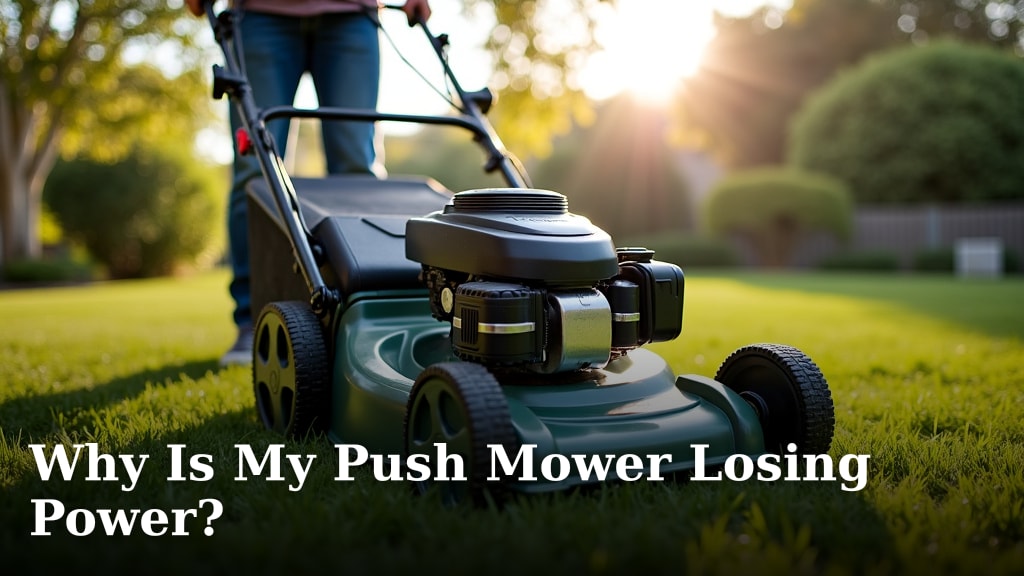
Your push mower losing power usually happens because of a clogged air filter or a dirty fuel system. These common issues prevent your mower from getting the air or gas it needs. Other culprits include old gasoline or a dull blade. We found these are the most frequent reasons your trusty mower struggles.
When your mower sputters, it’s frustrating, especially with a yard to maintain. We’ve researched why this happens and found that a lack of regular maintenance is often the root cause. Addressing simple things like fuel and air can make a huge difference in mower performance. Your mower needs these basic elements to run strong.
- Clogged air filter is a top reason.
- Dirty fuel system causes power loss.
- Old gas can make your mower weak.
- A dull blade makes the engine work harder.
Let’s get to the bottom of why your push mower is losing power and how you can fix it. We’ll walk through the common causes and simple solutions.
What’s Bogging Down Your Push Mower’s Engine?
When your trusty push mower starts to lose power, it feels like it’s choking on its own effort. You push harder, but it just sputters along. Don’t worry, this is a common problem that many homeowners face. We’ve researched the usual suspects, and they often boil down to a few key areas. Your mower needs a few things to run smoothly: clean air, fresh fuel, and a sharp blade. When any of these are off, you’ll notice a performance dip. Let’s figure out what’s making your mower struggle.
The Air Filter: Your Mower’s Lungs
Think of your mower’s air filter like your own lungs. If they’re full of dust and debris, breathing becomes difficult. Your mower engine needs a steady supply of clean air to mix with fuel for combustion. A clogged air filter restricts this airflow. This leads to an imbalanced fuel-air mixture, causing the engine to run rich. A rich mixture means too much fuel and not enough air. This can result in loss of power, especially under load, like when cutting thick grass. We found that a dirty air filter is one of the most frequent causes of power loss.
Signs of a Choked Air Filter
You might notice a few symptoms pointing to a clogged air filter. Your mower could start and run fine on a flat, easy patch of lawn. But as soon as you hit thicker grass or an incline, it bogs down. You might also observe black smoke coming from the exhaust. This indicates incomplete combustion due to the rich fuel mixture. Sometimes, the engine might even stall unexpectedly. If you hear your mower coughing or sputtering, the air filter is a prime suspect.
Cleaning or Replacing the Air Filter
The good news is that addressing a clogged air filter is usually a straightforward fix. Most push mowers have an easily accessible air filter. It’s often housed in a plastic casing on the side of the engine. You’ll typically need a screwdriver or just your hands to open it.
- Paper Filters: If your filter is made of paper, you usually can’t clean it effectively. Gently tap it against a hard surface to dislodge loose debris. If it looks very dirty or damaged, it’s best to replace it. Using a dirty paper filter is like trying to breathe through a dirty tissue.
- Foam Filters: Foam filters can often be washed. You can use warm, soapy water to clean them. After washing, rinse thoroughly and let it air dry completely. Some manufacturers recommend lightly oiling the foam filter after it’s dry. Check your owner’s manual for specific instructions. A lightly oiled foam filter can trap finer particles.
We found that replacing an air filter is an inexpensive maintenance task. It can dramatically improve your mower’s performance. It’s a small step that often solves big power issues.
Fuel System Woes: The Lifeblood of Your Mower
Your mower’s fuel system is responsible for delivering gasoline to the engine. If this system is dirty or compromised, your engine won’t get the fuel it needs. This directly impacts its ability to produce power. Several components work together to ensure a smooth fuel supply. Issues in any of these parts can lead to your mower losing power.
Old or Contaminated Gasoline
Gasoline doesn’t stay fresh forever. Over time, especially with the ethanol content in modern fuels, it can degrade. Old gasoline loses its octane rating and can form gummy deposits. These deposits can clog fuel lines and the carburetor. Using stale gas is like feeding your mower expired food. It just won’t perform well.
Many lawn mower experts suggest that gasoline should be used within 30 days of purchase. If you have leftover gas from the previous season, it’s probably time to get rid of it. You can often take old gas to a hazardous waste collection site. Always use fresh fuel for your mower. We found that using stabilizer can help extend the life of stored gasoline, but it’s not a magic bullet.
A Clogged Fuel Filter
Many mowers have a small fuel filter located in the fuel line between the tank and the carburetor. This filter is designed to catch debris before it enters the carburetor. Over time, it can become saturated with dirt and gunk. A clogged fuel filter restricts fuel flow. This is much like a kink in a garden hose. Your mower will struggle to get enough gas to run at full power. We found that replacing a fuel filter is usually a simple and inexpensive fix.
The Carburetor: The Engine’s Mixer
The carburetor is a critical component that mixes air and fuel in the correct ratio for combustion. If it becomes dirty or clogged with fuel deposits, it can disrupt this balance. This is a very common reason for a mower losing power, especially after sitting for a while. Gummy residue from old gas is the usual culprit.
Symptoms of a dirty carburetor can include hard starting, rough idling, and power loss. Sometimes, a carburetor can be cleaned without removal. Often, however, it requires removal and a more thorough cleaning with carburetor cleaner. We found that many DIYers successfully clean their carburetors. If you’re not comfortable with this, a small engine repair shop can handle it.
Checking Your Fuel System: A Quick Guide
Here’s a quick checklist to help you assess your fuel system issues:
- Drain the tank and refill with fresh gasoline.
- Inspect the fuel cap for obstructions.
- Locate and check the fuel filter. If it’s dirty or old, replace it.
- If problems persist, consider cleaning the carburetor.
This process helps ensure your mower is getting the clean fuel it needs to operate efficiently. We found that consistent use of a fuel stabilizer can prevent many of these issues.
The Mower Blade: More Than Just Sharpness
Your mower’s blade might not seem directly related to engine power, but it plays a significant role. A dull or damaged blade makes your engine work much harder. Instead of cleanly slicing grass, a dull blade tears it. This requires more torque from the engine, leading to power loss. It’s like trying to cut paper with a butter knife versus a sharp pair of scissors.
Dull Blades = Strained Engine
When your mower struggles to cut grass, the engine has to spin the blade with extra force. This increased resistance taxes the engine. If you notice your mower bogging down immediately when it hits the grass, even with fresh fuel and a clean filter, suspect the blade. A dull blade also results in an uneven, ragged cut, which isn’t good for your lawn’s health.
Damaged or Unbalanced Blades
Beyond just being dull, blades can become bent or unbalanced. A bent blade can cause excessive vibration, which is hard on the engine and mower deck. An unbalanced blade can lead to premature wear on the engine’s crankshaft. Ensure your blade is not only sharp but also in good condition. We found that a properly balanced and sharp blade makes a noticeable difference in cutting performance and engine strain.
Sharpening and Replacing Your Blade
Sharpening your mower blade is a maintenance task you can often do yourself. You’ll need a blade sharpening file or bench grinder. Always disconnect the spark plug before working on the blade. Ensure you maintain the correct angle when sharpening. After sharpening, it’s crucial to balance the blade. You can use a simple blade balancer tool for this.
If the blade is significantly damaged, bent, or has nicks and gouges, it’s best to replace it. Replacement blades are readily available at hardware stores and online. We found that regularly inspecting and maintaining your mower blade is a vital part of mower care. It directly impacts cutting efficiency and engine longevity.
Other Potential Power Stealers
While air filters, fuel systems, and blades are the most common culprits, a few other factors can contribute to your mower losing power. These are less frequent but still worth considering if the primary issues don’t resolve the problem.
Low Oil Level or Dirty Oil
Engine oil lubricates moving parts and helps dissipate heat. If your oil level is low, the engine components won’t be adequately lubricated. This increases friction and heat, which can cause the engine to lose power and potentially overheat. Dirty oil loses its lubricating properties.
We found that checking your oil level regularly is essential. Consult your owner’s manual for the correct type and amount of oil. If the oil looks dark and sludgy, it’s time for an oil change. Proper lubrication is key to engine health and consistent power output. Many manufacturers recommend oil changes at specific intervals, much like car maintenance.
Exhaust System Blockage
A clogged muffler or exhaust port can also restrict engine performance. If exhaust gases can’t escape freely, it’s like trying to exhale through a straw. This backpressure can bog down the engine. While less common than air filter issues, a severely blocked muffler can definitely cause power loss.
We found that checking the muffler for excessive carbon buildup or damage is a good idea if other solutions fail. Sometimes, a muffler can be cleaned, but often it needs replacement if it’s severely compromised. This is a less common, but still possible, reason for your mower to feel weak.
Maintenance Checklist: Keep Your Mower Strong
Preventing power loss is often easier than fixing it. Regular maintenance keeps your mower running at its best. Here’s a simple checklist to help you stay on top of it:
- After each use: Briefly inspect the mower deck and blade for debris.
- Monthly (during mowing season): Check and clean or replace the air filter. Check the oil level and condition.
- Every 2-3 months (or as needed): Sharpen and balance the mower blade. Replace the fuel filter if applicable.
- At the start of each season: Use fresh gasoline. Consider a fuel stabilizer. Perform an oil change.
- Before storing for winter: Drain the fuel tank or use a fuel stabilizer. Clean the mower thoroughly.
By following these simple steps, you can significantly reduce the chances of your push mower losing power. We found that proactive maintenance saves time, money, and frustration in the long run.
Conclusion
Your push mower losing power doesn’t have to be a mystery. We’ve found that most issues stem from simple maintenance needs. A dirty air filter, stale fuel, a clogged fuel system, or a dull blade are often the main culprits. Regularly checking these components can keep your mower running strong. Don’t let a sputtering engine sideline your yard work. Your next step? Grab your owner’s manual and schedule a quick check of your air filter and fuel system. It’s a small effort for a big reward in cutting power.
Frequently Asked Questions
How often should I replace my lawn mower’s air filter?
We recommend checking your air filter at least once a month during the mowing season. If it looks visibly dirty or damaged, it’s time for a replacement. For paper filters, replacement is usually best. Foam filters can often be washed and reused.
Can I use regular gasoline in my push mower?
Yes, you can use regular gasoline, but be mindful of its freshness. We found that gasoline can degrade within 30 days, especially with ethanol. Always use fresh fuel for best performance. Consider a fuel stabilizer if you store gas longer.
My mower bogs down only in thick grass. What should I check first?
If your mower loses power only in thick grass, start with your blade. A dull or damaged blade makes the engine work much harder. We also suggest checking the air filter, as restricted airflow becomes more noticeable under load.
Is it okay to just clean the carburetor myself?
Many homeowners successfully clean their carburetor. If you’re comfortable with basic engine mechanics, it’s a task you can often do. However, if you’re unsure or the problem persists after cleaning, a small engine repair shop can help.
What’s the most common cause of a mower losing power suddenly?
We’ve researched this, and a sudden power loss is often due to a clogged fuel filter or a significant blockage in the carburetor. An engine that suddenly loses power could also indicate a serious internal issue, but fuel system problems are more frequent.
