
What Is the Best Fuel for a Lawn Mower?
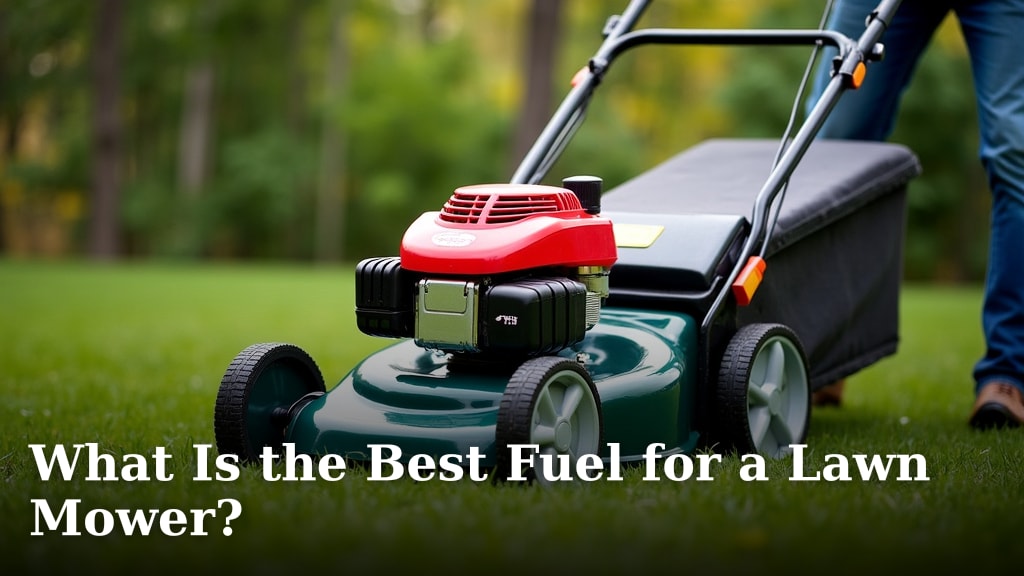
The best fuel for your lawn mower depends entirely on the type of engine it has. For most standard gas mowers, unleaded gasoline is the way to go. Avoid using ethanol blends if your mower’s manual advises against it, as they can damage fuel lines and the engine over time.
Choosing the right fuel ensures your mower runs smoothly and lasts longer. Using stale gas can lead to starting problems and poor performance. If you’re unsure, always check your owner’s manual for the manufacturer’s specific recommendations. It’s the most reliable source for your machine.
- Most gas mowers use unleaded gasoline.
- Check your manual for ethanol recommendations.
- Fresh fuel is key for starting.
- Avoid old or contaminated gas.
Let’s break down the different fuel types and what your mower needs to stay happy and healthy this mowing season. A clogged fuel filter can restrict fuel flow, starving the engine and causing it to run poorly.
Choosing the Right Gas for Your Lawn Mower
You’ve got your mower ready, the sun is shining, and you’re eager to get that lawn looking sharp. But wait! What kind of gas should you be putting in that tank? It might seem like a simple question, but using the wrong fuel can cause a surprising amount of trouble.
The truth is, most residential lawn mowers are designed for a specific type of fuel. Sticking to what the manufacturer recommends is the best way to keep your mower running smoothly and prevent costly repairs down the line.
The Basics: Unleaded Gasoline is King
For the vast majority of gas-powered lawn mowers, the answer is simple: regular unleaded gasoline. Think of it like the basic, everyday fuel your car might use. You can usually find it at any gas station.
When you head to the pump, look for octane ratings. Most lawn mowers perform perfectly fine with 87 octane unleaded gasoline. You don’t need the premium stuff for your trusty mower. It’s like buying a steak and asking for it to be cooked medium-rare, but your mower just needs it well-done and ready to go.
Understanding Ethanol in Gasoline
Now, here’s where things can get a little murky: ethanol. You’ll often see gasoline labeled as E10, E15, or even E85. This “E” number tells you the percentage of ethanol in the fuel. Most standard gasoline sold today contains up to 10% ethanol (E10).
Many lawn mower manufacturers have started designing their engines to handle E10 fuel. It’s become quite common. However, it’s crucial to check your owner’s manual. Some older mowers, or even some newer ones with specific fuel system components, can be damaged by ethanol.
Why Ethanol Can Be a Problem
Ethanol is an alcohol, and it has properties that can cause issues with small engines. For starters, ethanol attracts water. This means that if your gas tank sits for a while, the ethanol can absorb moisture from the air. This water-contaminated fuel can then cause corrosion inside your fuel system and carburetor.
Ethanol can also be tough on rubber and plastic components. Many fuel lines, seals, and gaskets in older mowers aren’t made to withstand the drying and degrading effects of ethanol. Over time, this can lead to leaks and fuel system failures. We’ve found that this is a common culprit for starting problems and poor engine performance.
What Your Manual Says About Ethanol
Your lawn mower’s manual is your ultimate guide. It will clearly state whether the manufacturer recommends using ethanol-free gasoline or if E10 is acceptable. If your manual says to avoid ethanol, you absolutely should. Look for “recreational fuel” or ethanol-free gasoline at specialized stations or marinas, though it’s often more expensive.
If your manual says E10 is okay, then you can typically use the regular unleaded gasoline you find at most pumps. But even then, fresh fuel is always best. Stale gas is a mower’s worst nightmare.
The Importance of Fresh Fuel
Think of gasoline like milk. It has a shelf life. While it might not spoil in the same way, gasoline does degrade over time, especially when exposed to air and varying temperatures. Using old, stale gas is one of the most common reasons why lawn mowers refuse to start or run poorly.
Gasoline contains volatile compounds that evaporate. As these compounds escape, the remaining fuel becomes less effective. This can lead to difficulty starting your mower, rough idling, and reduced power. It’s incredibly frustrating when you’re ready to tackle the yard!
How Long Does Gas Last?
Under ideal conditions, fresh gasoline can last for about 30 to 90 days. However, this can vary greatly. Factors like temperature, how the fuel is stored, and whether it contains ethanol all play a role. Ethanol blends, particularly those with higher ethanol content, tend to degrade faster.
If you buy gas in a can and let it sit in your garage through a hot summer, its quality can drop significantly in just a few weeks. We’ve found that fuel stabilizers can help extend the life of gasoline, especially if you plan to store it for longer periods.
Storing Fuel Safely and Effectively
Proper storage is key to keeping your fuel fresh. Always use a clean, approved gasoline container. Store it in a cool, dry place away from any open flames or sources of ignition. Garages or sheds are common spots, but be mindful of temperature fluctuations.
If you only use a small amount of gas for your mower, consider buying gas in smaller quantities. This way, you’re more likely to use it up before it goes bad. It’s much better to run to the gas station for a gallon or two when you need it than to pour a half-tank of old, questionable fuel into your mower.
Fuel Additives and Stabilizers: Are They Worth It?
You might have seen fuel additives and stabilizers on the shelves at your local hardware store. These products can be quite useful, especially if you’re not mowing your lawn every week or if you live in an area with extreme temperatures.
A fuel stabilizer is designed to slow down the degradation process of gasoline. It helps prevent oxidation and the formation of gum and varnish deposits. Many experts suggest adding a stabilizer to your gasoline if you plan to store it for more than 30 days.
When to Use Stabilizers
The most critical time to use a fuel stabilizer is before you put your mower into storage for the winter. Running the engine for a few minutes after adding the stabilizer ensures it circulates throughout the fuel system, protecting the carburetor and fuel lines. This simple step can save you a lot of headaches come springtime.
You can also use stabilizers for shorter-term storage. If you know you won’t be mowing for a few weeks, adding a stabilizer can help maintain the fuel’s quality. It’s a small investment that can pay off in easier starts and better engine performance.
Other Fuel Additives
Beyond stabilizers, there are other fuel additives designed to clean carburetors or improve combustion. While some of these might offer marginal benefits, many experts agree that for most standard lawn mowers, simply using fresh, recommended fuel and a good quality stabilizer is sufficient. The key is often prevention rather than trying to fix problems with potions.
Specialty Fuels and What to Avoid
While we’ve focused on unleaded gasoline, you might encounter other fuel types or hear about alternatives. It’s important to know what to steer clear of.
Diesel fuel is a non-starter for your typical lawn mower. Diesel engines are completely different from the gasoline engines found in most mowers. Putting diesel in a gas engine would be like trying to run your car on water – it just won’t work and will cause significant damage.
E85 and High Ethanol Blends
You might see gasoline labeled as E15 or E85 at some stations. These fuels contain a much higher percentage of ethanol (15% or 85%, respectively). It is highly unlikely that your lawn mower is designed to run on these. Using E85 in a standard gasoline engine will almost certainly cause severe damage to the fuel system and engine components.
Mixed Gas: For Two-Stroke Engines Only
You might be familiar with “mixed gas” from things like chainsaws or leaf blowers that have two-stroke engines. These engines require a specific mixture of gasoline and oil. Your lawn mower almost certainly does not have a two-stroke engine. Most lawn mowers have four-stroke engines, which use straight gasoline (and have a separate oil reservoir for lubrication).
Mixing oil with your gasoline for a four-stroke mower would foul the spark plug, clog the engine, and cause it to run very poorly, if at all. Always confirm your mower has a four-stroke engine, which is the standard for most walk-behind and riding mowers. They have a dipstick for checking oil levels, just like a car.
A Quick Checklist for Happy Mowing
To recap, keeping your mower fueled correctly is straightforward but important. Here’s a quick checklist to ensure you’re using the best fuel:
- Always check your owner’s manual first. This is your definitive guide.
- For most mowers, use regular unleaded gasoline (87 octane).
- Be mindful of ethanol. Use E10 only if your manual says it’s okay. Avoid higher blends.
- Buy fresh fuel. Use gas that’s less than 30 days old if possible.
- Store fuel properly. Use approved containers in a cool, dry place.
- Consider a fuel stabilizer, especially for storage or long periods between uses.
By following these simple guidelines, you’ll ensure your lawn mower starts reliably and performs at its best, season after season. Happy mowing!
Conclusion
You’ve got the knowledge now to keep your lawn mower fueled up and running smoothly. Remember, the best fuel is the one recommended by your mower’s manufacturer. For most, that’s standard unleaded gasoline. Pay close attention to the ethanol content recommendations in your owner’s manual, and always prioritize fresh fuel for optimal performance. Using stale gas is a common pitfall that leads to frustration. Make it a habit to check your manual and buy fresh fuel, and you’ll ensure your mower starts reliably every time you need it.
Frequently Asked Questions
What octane gas should I use in my lawn mower?
For most residential lawn mowers, regular unleaded gasoline with an 87 octane rating is perfectly suitable. You generally don’t need to purchase premium fuel for your mower; it’s designed to run on the standard, most common gasoline available.
Can I use E15 or E85 gasoline in my lawn mower?
No, you should avoid E15 and E85 gasoline in your lawn mower unless your owner’s manual explicitly states it’s compatible. These fuels contain much higher ethanol percentages and can seriously damage your mower’s fuel system and engine components.
How do I know if my lawn mower can handle ethanol fuel?
The most reliable way to know is to check your lawn mower’s owner’s manual. It will clearly state whether the manufacturer recommends ethanol-free gas or if E10 (up to 10% ethanol) is acceptable for your specific model.
What happens if I use old or stale gas in my mower?
Using old gas can lead to starting problems, rough idling, and reduced engine power. Over time, stale gas can degrade, leaving behind deposits that can clog your mower’s fuel system and carburetor.
Should I add fuel stabilizer to the gas I buy for my mower?
Adding a fuel stabilizer is a good practice, especially if you don’t use your mower frequently or if you plan to store fuel for more than 30 days. It helps slow down the degradation process and prevents gum and varnish buildup in your mower’s fuel system.
