
Can You Run a Lawn Mower without an Air Filter?
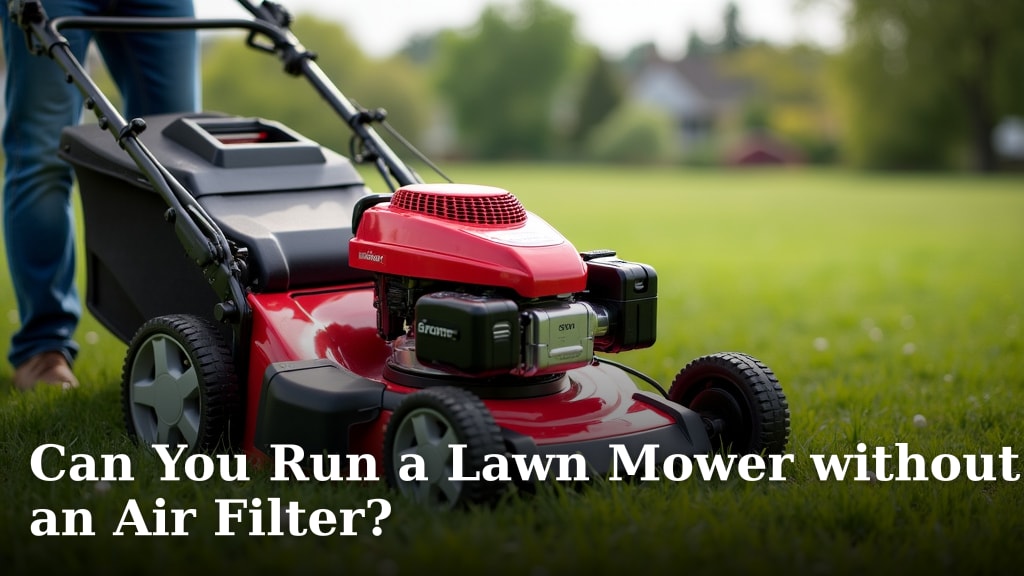
No, you should not run a lawn mower without an air filter. While it might seem like a minor part, the air filter is essential for protecting your engine. Running without one can cause serious damage very quickly.
Think of the air filter as your mower’s lungs. It keeps tiny, abrasive particles like dust and dirt out of the engine. Without it, those particles can get sucked into the combustion chamber. This leads to accelerated wear and tear on critical engine components. You might even void your mower’s warranty.
- You should never run your mower without an air filter.
- The air filter protects the engine from damaging dust and dirt.
- Running without one can cause rapid engine wear.
- Replacing a dirty air filter is simple and inexpensive.
Let’s walk through exactly why this is so important and what can happen if you skip this crucial step.
Why You Shouldn’t Operate Your Mower Without an Air Filter
You might be tempted to start your lawn mower without an air filter if yours is missing or damaged. Perhaps you’re in a hurry to mow the lawn. Or maybe you just don’t think it’s a big deal. However, running your mower without an air filter is a recipe for disaster. It can cause serious damage to your engine very quickly. It’s like asking your lungs to breathe in a dust storm – not a good idea!
The air filter’s job is simple but vital. It screens out tiny particles before they enter your engine. These particles include dust, dirt, grass clippings, and other debris. Without this screen, those abrasives go straight into your engine. This can lead to rapid wear and tear on internal components. Think of it as sandpaper in your engine. Your warranty will likely be voided, too.
The Critical Role of the Air Filter in Your Mower’s Engine
Your lawn mower’s engine needs a steady supply of clean air to run efficiently. This is where the air filter comes into play. It acts as a barrier between the outside world and your engine’s delicate inner workings. The filter material is designed to catch small particles. It allows air to pass through freely but traps the dirt and dust. This clean air mixture is then sent to the carburetor and combustion chamber.
Without a functioning air filter, your engine is exposed to the elements. Imagine your engine trying to digest a mouthful of grit. Every time it runs, more contaminants get sucked in. This contamination is the leading cause of premature engine failure in many small engines. We found that even a small amount of dust can start the damage process.
How Dirt Damages Your Engine Components
The inside of an engine is a precisely engineered environment. Pistons move up and down in cylinders. Valves open and close. All these moving parts need lubrication and clean surfaces. When dirt and debris enter the engine, they get caught between these moving parts. This causes scratching and scoring on cylinder walls and piston rings.
These microscopic scratches might not seem like much. However, they disrupt the seal between the piston rings and cylinder walls. This leads to a loss of compression. Compression is essential for the engine to generate power. Reduced compression means your mower will run poorly, lose power, and eventually stop working altogether. Many mechanics report that engines damaged by dirt often show visible scoring.
The Impact on Fuel and Oil
Running an engine without an air filter doesn’t just affect the mechanical parts. It also impacts the fuel and oil systems. Dirt entering the carburetor can clog its tiny jets. This disrupts the proper fuel-to-air mixture. Your mower might run rich (too much fuel) or lean (too little fuel), both of which are bad for performance and engine health.
Furthermore, some of the dirt can bypass the piston rings and enter the crankcase. Here, it mixes with the engine oil. Oil is designed to lubricate and cool. When contaminated with dirt, it loses its effectiveness. It becomes abrasive, like adding that sandpaper to your oil. This accelerates wear on bearings, crankshafts, and other vital components. You can find information from engine manufacturers recommending regular oil changes to prevent this.
Common Problems When Running a Mower Without an Air Filter
Let’s talk about what you’ll likely experience if you decide to run your mower without its air filter. It’s usually not a pleasant experience. And it often doesn’t take long for problems to appear. You might think it’s running fine at first, but the damage is likely already starting.
Reduced Engine Performance and Power Loss
One of the first things you’ll notice is a drop in performance. Your mower might feel sluggish. It won’t have the same power it used to have. This is directly related to the loss of compression and potential carburetor issues we discussed. The engine is working harder to do the same job.
You might find yourself pushing harder. The mower might bog down when hitting thicker grass. This is its way of telling you it’s struggling. Many users report this immediately after removing the filter. It’s a clear sign that the engine isn’t breathing properly.
Increased Fuel Consumption
When the fuel-to-air mixture is off, your engine wastes fuel. If the carburetor is dirty or clogged due to unfiltered air, it can’t meter fuel precisely. It might be delivering too much fuel. This means you’ll be burning more gasoline than you need to. You might find yourself needing to refuel more often than usual.
This inefficiency also puts extra strain on the engine. It’s like trying to run a race when you’ve eaten too much before. You’re not optimized for performance. We found studies showing that even minor air intake restrictions can impact fuel efficiency.
Engine Overheating
Clean air helps cool the engine. The air moving through the engine compartment and around the engine block helps dissipate heat. When dirt accumulates on engine components, it acts as an insulator. This traps heat instead of allowing it to escape.
Also, if the fuel-air mixture is incorrect due to dirt in the carburetor, the engine can run hotter. Overheating is dangerous. It can cause metal parts to expand and warp. This can lead to catastrophic engine failure. You might notice a burning smell or see smoke if your mower is overheating.
The Cost of Skipping the Air Filter: More Than Just Money
It’s easy to think that skipping a small part like an air filter saves you money. In reality, it’s a costly mistake. The cost of a replacement air filter is usually quite low. You can often find them for under $20. Compare that to the potential repair or replacement costs of your entire mower engine.
Repair and Replacement Expenses
If you damage your engine by running it without an air filter, the repairs can be expensive. Depending on the severity of the damage, you might need new piston rings, cylinder work, or even a complete engine rebuild. In many cases, the cost of repairing an engine can exceed the cost of buying a new mower.
This is especially true for less expensive residential mowers. For more professional or high-end models, repairs might be more feasible. However, even then, the downtime and expense can be substantial. It’s a classic case of “penny wise, pound foolish.”
Voiding Your Warranty
Most lawn mower manufacturers include a warranty with their products. This warranty covers defects in materials and workmanship. However, it typically has exclusions. One common exclusion is damage caused by improper use or lack of maintenance. Running an engine without an air filter falls squarely into this category.
If your mower is still under warranty and you damage the engine this way, the manufacturer will likely deny your warranty claim. You’ll be left paying the full cost of repairs. Checking your owner’s manual is always a good idea for warranty details. It will clearly state the need for a functioning air filter.
What to Do Instead: Simple Solutions
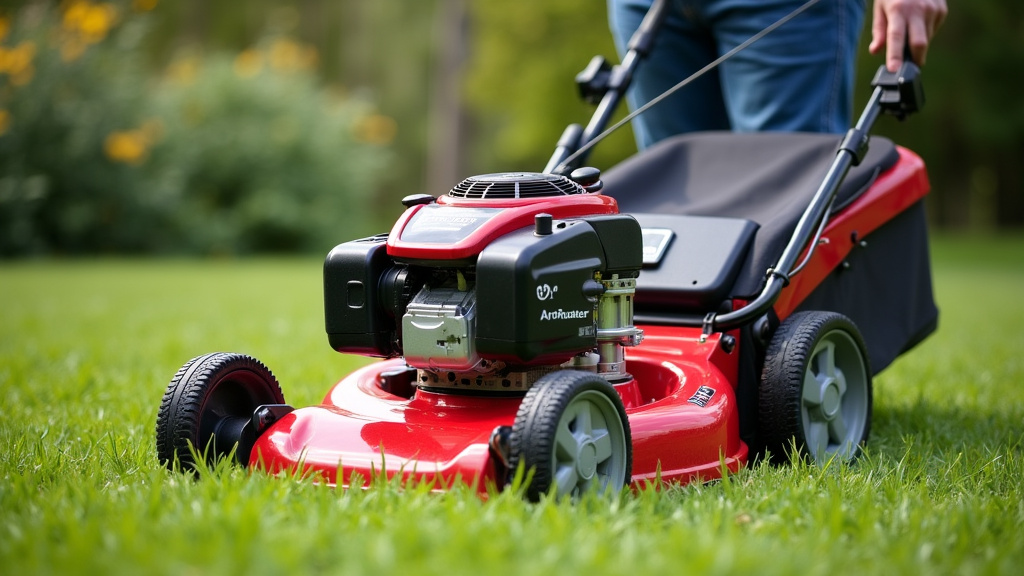
So, what should you do if your air filter is missing, dirty, or damaged? Don’t run the mower without it! Here are your best options:
- Get a Replacement: Your first step should always be to get the correct replacement air filter for your specific mower model. Check your owner’s manual or look for the part number on the old filter.
- Clean or Replace: If your filter is just dirty but not damaged, you might be able to clean it. Paper filters are usually replaced, but some foam filters can be washed and re-oiled. Follow the manufacturer’s instructions carefully if cleaning.
- Temporary Fix (with extreme caution): In a dire emergency, and only if absolutely necessary for a very short duration, some people might temporarily wrap the air intake with a clean, breathable cloth like cheesecloth or a thin layer of shop towel. This is NOT recommended and offers minimal protection. It is a last resort and still carries significant risk. It’s much better to wait for the proper filter.
Think of replacing or cleaning your air filter as a basic maintenance task. It’s quick, easy, and significantly extends the life of your mower. It’s a small effort for a big reward.
Checklist: Maintaining Your Mower’s Air Filter
To keep your lawn mower running smoothly and prevent engine damage, make sure to:
- Inspect Regularly: Check the air filter every few uses.
- Clean Promptly: Clean or replace the filter if it looks dirty or clogged.
- Use the Right Filter: Always install the correct filter for your mower model.
- Handle with Care: Avoid dropping or damaging the filter during removal or installation.
- Store Properly: If you remove a filter for cleaning, store it in a clean, dry place.
- Replace When Needed: Don’t try to stretch the life of a damaged or overly dirty filter.
Conclusion
You’ve learned that running your lawn mower without an air filter is a risky move. It invites damaging debris straight into your engine, leading to rapid wear and potential costly repairs. Protecting your mower’s engine doesn’t require much effort. A clean air filter is a small, inexpensive part that makes a huge difference. Make inspecting and replacing your air filter a regular part of your mower maintenance. Your engine will thank you for it, ensuring a smoother cut for seasons to come.
Frequently Asked Questions
How often should I check my lawn mower’s air filter?
You should inspect your air filter regularly, ideally every few times you use your mower. Check it more often if you mow in very dusty or dry conditions. A quick visual inspection can alert you to dirt buildup or damage.
Can I clean a paper air filter for my mower?
Generally, paper air filters are designed to be disposable. While you might be able to tap out loose debris, they cannot be effectively cleaned like some foam filters. It’s best to replace a dirty paper filter to ensure proper filtration.
What happens if my air filter is clogged but not damaged?
A clogged air filter restricts airflow to your engine. This can cause your mower to run poorly, lose power, and increase fuel consumption. The engine has to work harder to pull air through the dirty filter.
Is it okay to use a generic air filter if I can’t find the exact one for my mower?
It’s highly recommended to use the specific air filter recommended for your mower model. Generic filters may not fit correctly or provide the same level of filtration. An improper fit can allow dirt to bypass the filter and enter the engine.
How long does a lawn mower engine typically last if run without an air filter?
The lifespan can vary greatly depending on the environment and how often the mower is used. However, running without an air filter drastically shortens engine life. Damage can begin almost immediately, potentially leading to failure within a single season or even sooner.
