
Why Is My Lawn Mower Stalling?
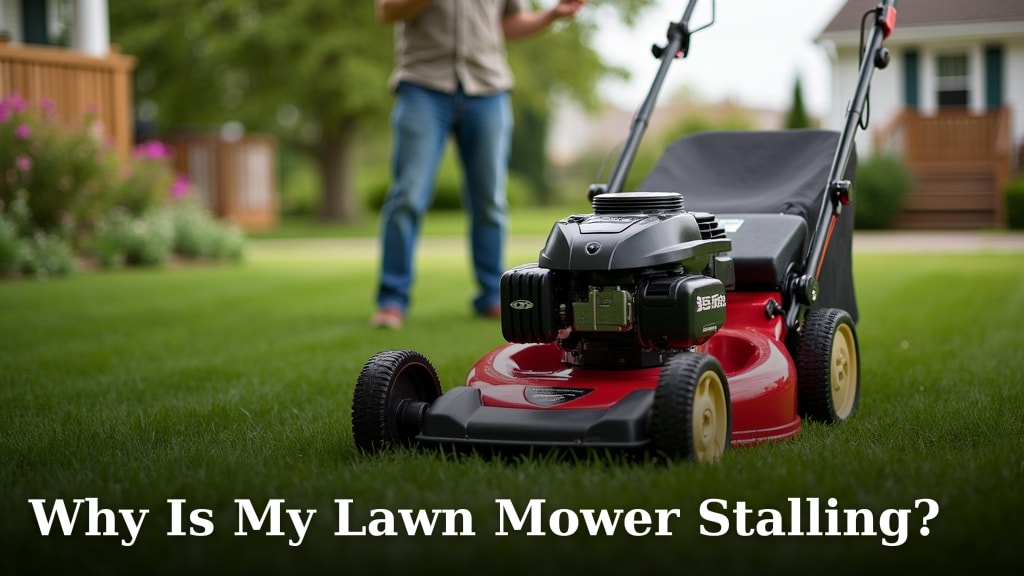
Your lawn mower stalling often means it’s struggling for fuel or air. This usually happens because of a clogged fuel filter, a dirty air filter, or issues with the spark plug. Sometimes, a mower stalls when its engine gets too hot or if there’s water in the gas tank.
When your mower quits mid-cut, it’s frustrating. You’re likely looking for a quick fix to get back to that perfectly manicured lawn. We found that most stalling problems are caused by a few common culprits. Addressing these can often get your mower running smoothly again. It’s usually not a sign of major engine damage.
- Clogged fuel filter is a top reason.
- Dirty air filter prevents proper airflow.
- Spark plug problems can cause stalling.
- Overheating or bad fuel can also be the cause.
Let’s walk through the most common reasons your mower might be stalling and how you can fix them.
Troubleshooting Your Stalling Lawn Mower Engine
Finding your lawn mower quitting mid-task is incredibly annoying. You’re in the middle of a nice yard, the sun is shining, and then… silence. Many common issues can cause this. We’ve looked into the most frequent culprits. Usually, it’s something you can fix yourself with a little know-how. Let’s get your mower back in action!
Fuel System Fouls: The Usual Suspects
When your mower stalls, the fuel system is often the first place to check. It’s like a car; if it doesn’t get the right amount of gas, it just won’t run. We found that a lack of proper fuel delivery is behind most stalling problems.
1. The Clogged Fuel Filter: A Tiny Roadblock
Think of your fuel filter like a tiny strainer. Its job is to catch any gunk or debris before it gets to your engine. Over time, this gunk builds up. A clogged filter means less fuel can get through. This starves your engine and causes it to stall, especially when you’re asking it to work hard. Many mower manufacturers suggest replacing this filter annually.
Signs of a clogged fuel filter:
- Your mower starts but then quickly dies.
- It sputters or hesitates when you try to accelerate.
- You might notice a loss of power, even before it stalls.
Fixing this is usually straightforward. You’ll need to locate your fuel filter, which is typically in the fuel line between the tank and the carburetor. You can often buy a replacement at any hardware or auto parts store. Just remember to turn off the mower and disconnect the spark plug wire first for safety.
2. Dirty Carburetor: The Engine’s “Lungs”
The carburetor is a vital part of your engine. It mixes air and fuel in the right proportions. If it gets clogged with old fuel deposits or dirt, this mixture goes haywire. The engine can’t get the right blend to run smoothly. This can lead to stalling, rough idling, or a complete refusal to start.
We found that old gasoline left in the mower over winter is a common cause of carburetor issues. It can gum up the small passages inside. Sometimes, a good fuel system cleaner added to your gas tank can help. For more stubborn clogs, you might need to remove and clean the carburetor. This is a bit more involved but still manageable for many DIYers. Always consult your owner’s manual for specific instructions on your model.
3. Stale or Contaminated Fuel: Bad Gas Blues
Your mower needs fresh fuel to run properly. Gasoline can go bad over time, especially if it contains ethanol. Ethanol can absorb moisture, leading to water in your gas tank. It can also break down and leave sticky deposits.
If you’re using fuel that’s been sitting for more than a month or two, it’s a prime suspect. Water in the fuel can cause erratic engine behavior and stalling. We recommend using a fuel stabilizer if you plan to store gas for longer periods. Draining old fuel and replacing it with fresh, clean gasoline is often the quickest fix for this problem.
Airflow Obstructions: Let Your Engine Breathe
Just like you need to breathe, your mower’s engine needs a constant supply of clean air to function. When airflow is restricted, the engine can’t get enough oxygen to burn fuel efficiently. This is another common reason for stalling.
1. The Grimy Air Filter: Choking Off Your Mower
The air filter protects your engine from dirt and debris. It’s usually made of paper or foam. Over time, it gets clogged with grass clippings, dust, and other particles. A dirty air filter acts like a mask over your engine’s face, preventing it from taking a good breath.
Many experts say a dirty air filter is one of the easiest and most frequent causes of poor engine performance and stalling. You can usually check your air filter by opening the air filter cover. If it looks dirty or you can barely see through it, it’s time for a replacement or a cleaning. Foam filters can sometimes be washed and re-oiled, while paper filters generally need to be replaced. This is often a very inexpensive fix.
Ignition System Glitches: No Spark, No Go
Even if your fuel and air systems are perfect, your mower won’t run without a spark. The spark plug ignites the fuel-air mixture. If the spark is weak or non-existent, the engine will stall.
1. The Troubled Spark Plug: Firing Blanks
Spark plugs can get worn out, fouled with carbon, or damaged. If the electrode is covered in gunk, it can’t create a strong spark. A plug that’s too loose can also cause problems.
We found that checking and cleaning or replacing your spark plug is a smart move. You’ll need a spark plug wrench to remove it. Inspect the tip for any black, oily, or powdery deposits. You can try cleaning it gently with a wire brush. However, spark plugs are inexpensive. Replacing an old or fouled plug is often the best solution. Make sure you get the correct type of spark plug for your mower model. Tighten it properly – not too loose, not too tight.
2. Ignition Coil Issues: Weak Signal
The ignition coil is responsible for providing the high voltage needed to create a spark. If the coil is failing, the spark plug won’t get enough power. This can lead to a weak spark and stalling, particularly under load. Diagnosing a faulty ignition coil can be a bit trickier. It often requires specialized testing equipment. If you’ve ruled out the spark plug and other fuel/air issues, this might be the next area to investigate.
Engine Overheating: Too Hot to Handle
Engines generate a lot of heat when they run. If your mower’s cooling system isn’t working correctly, the engine can overheat. An overheated engine will often stall to protect itself from damage. Many experts suggest that engine overheating is a common cause of stalling on hot days.
1. Blocked Cooling Fins: Sweating It Out
Most air-cooled mower engines have fins around the cylinder. These fins help dissipate heat. If grass clippings, leaves, or dirt get packed into these fins, airflow is blocked. The engine can’t cool down effectively. This is especially common if you mow a lot of thick, wet grass. Periodically cleaning these fins with a brush or compressed air can make a big difference. We found that keeping the engine compartment clean is key to preventing overheating.
2. Low Oil Level: Not Enough Lube, Too Much Heat
Engine oil does more than just lubricate. It also plays a role in cooling the engine. If your oil level is too low, the engine can’t dissipate heat properly. It might start to run hotter, leading to stalling. Always check your oil level before using your mower, especially on hot days. Refer to your owner’s manual for the correct type of oil and the proper procedure for checking it.
Other Potential Problems to Consider
While fuel, air, and ignition are the most common causes, a few other things could be making your mower stall.
1. Safety Switch Malfunctions: Playing It Safe (Too Safe?)
Modern lawn mowers have safety switches. These prevent the engine from starting or running if certain conditions aren’t met. For example, there might be a switch that ensures the handle is held correctly or that the blade engagement lever is in the off position. If one of these switches is faulty or misaligned, it might tell the mower it’s unsafe to run, causing it to stall unexpectedly. We’ve found that sometimes these switches can get jiggled loose or become dirty.
2. Flywheel Key Issues: A Tiny, Troublesome Part
The flywheel key is a small metal piece that connects the flywheel to the crankshaft. Its purpose is to shear off if something impacts the blade, like hitting a rock or root. This prevents major damage to the engine. However, if the flywheel key is damaged or broken, it can cause the ignition timing to be off. This can result in poor engine performance and stalling. If you’ve hit something hard with your mower, this could be a possibility.
Quick Checklist to Get Your Mower Running Again
Here’s a quick rundown of things to check if your mower stalls:
- Check the fuel cap vent: Ensure it’s not blocked.
- Inspect the fuel filter: Look for clogs.
- Clean or replace the air filter: Let it breathe easy.
- Examine the spark plug: Clean or swap it out.
- Verify the oil level: Make sure it’s topped up.
- Clear cooling fins: Keep the engine cool.
Conclusion
It’s clear that a stalling lawn mower usually points to a few common, fixable issues. You’ve learned that problems with your mower’s fuel delivery, air intake, or spark plug are the most frequent culprits. Don’t let a stubborn mower get you down! Often, a simple check and clean of your air filter, fuel filter, or spark plug can bring it back to life. If you’ve gone through these steps and your mower still won’t cooperate, it might be time to consult your owner’s manual or a small engine repair professional. But before you do that, double-check that fuel cap vent – it’s a surprisingly common fix!
Frequently Asked Questions
How often should I replace my lawn mower’s fuel filter?
Most mower manufacturers suggest replacing the fuel filter annually as part of routine maintenance. If your mower stalls frequently, checking or replacing the fuel filter sooner might be necessary. Keeping a spare on hand can save you time and hassle.
Can I use fuel stabilizer in my lawn mower gas?
Yes, using a fuel stabilizer is highly recommended, especially if you don’t use your mower regularly or if you store gasoline for more than a month. It helps prevent the fuel from breaking down and absorbing moisture, which can cause starting problems and stalling.
My mower stalls when it gets hot. What’s wrong?
This often indicates an overheating issue. Check that the engine’s cooling fins are clean and free of debris like grass clippings and dirt. Also, ensure your engine’s oil level is correct, as low oil can contribute to overheating. Let the mower cool down completely before inspecting.
What’s the difference between cleaning and replacing an air filter?
Foam air filters can often be washed with soap and water, dried completely, and then re-oiled with a specific foam filter oil. Paper air filters, on the other hand, are generally disposable and should be replaced when dirty. Check your owner’s manual for the correct type for your mower.
Is it safe to clean a spark plug myself?
Yes, it’s generally safe to clean a spark plug, but always disconnect the spark plug wire and ensure the engine is cool before you begin. Use a wire brush to gently remove carbon deposits from the electrode. However, spark plugs are inexpensive, and replacing an old or fouled one is often the most effective solution for ignition problems.
