
Do You Need Safety Glasses for Mowing?
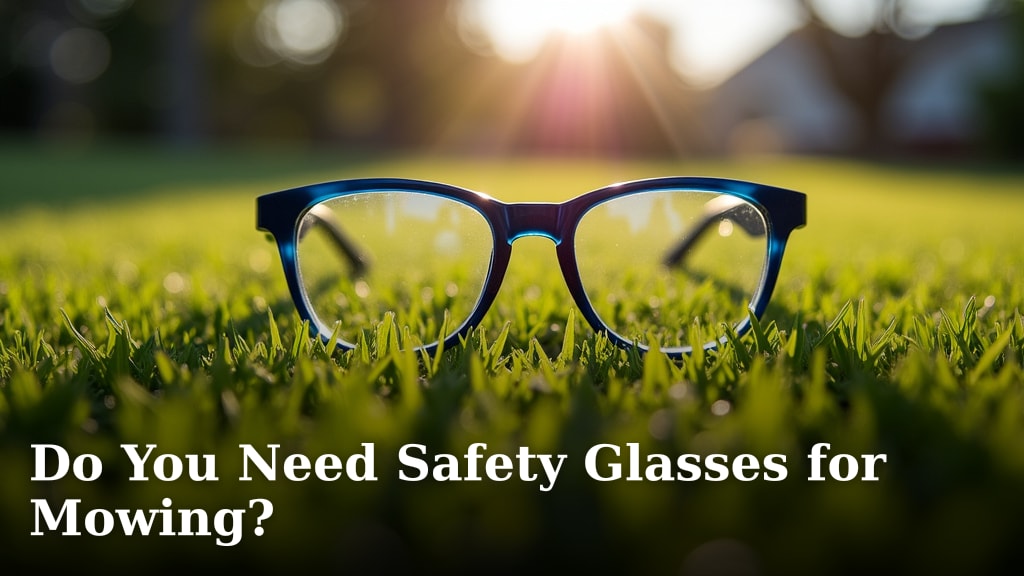
Yes, you absolutely need safety glasses when mowing your lawn. Flying debris like rocks, twigs, or even metal shards can cause serious eye injuries, and safety glasses are your first line of defense.
Many people underestimate the dangers lurking in their own backyard. Even a simple lawn can send projectiles flying at high speeds. Wearing proper eye protection can prevent lifelong damage and ensure you can keep enjoying your yard work safely.
- Yes, safety glasses are a must for mowing.
- Lawn debris can cause severe eye injuries.
- Protecting your vision is simple and effective.
- Don’t take chances with your eyesight.
Let’s walk through why this simple step is so important and what to look for in the right safety glasses for lawn mowing.
HTML content begins here:Why Safety Glasses Are Non-Negotiable for Mowing
You might think your lawn is just grass and dandelions. But when your mower spins up, it can turn ordinary yard items into dangerous projectiles. Many people wonder, “Do I really need safety glasses for mowing?” The answer is a resounding yes. Your eyesight is incredibly precious, and taking a moment to put on protective eyewear is a small price to pay for keeping it safe.
Research consistently shows that lawn mowers can launch objects at speeds exceeding 100 miles per hour. These objects can range from small pebbles to larger twigs and even bits of metal from faulty equipment. Without protection, your eyes are directly in the line of fire for these high-velocity impacts. Experts at the American Academy of Ophthalmology strongly recommend eye protection for all yard work.
The Hidden Dangers Lurking in Your Yard
Think about what’s hidden in your grass. You might have small stones that have been kicked up by foot traffic or settled over time. There could be forgotten toys, fallen branches, or even remnants of old garden stakes. When your mower blade hits these, they don’t just stop; they get propelled outward.
Even seemingly harmless items can cause serious damage. A small twig striking your eye at high speed can cause corneal abrasions, which are painful scratches on the surface of your eye. More serious impacts, like from a rock, can lead to severe injuries such as retinal detachment or even permanent blindness. The CDC notes that eye injuries from lawn mowers are a common cause of ER visits for this type of activity.
Understanding the Risks to Your Vision
Your eyes are delicate organs. The cornea, iris, and retina are all susceptible to damage from impact and flying debris. A direct hit can cause:
- Corneal abrasions: Scratches on the eye’s surface.
- Penetrating injuries: When an object pierces the eye.
- Blunt force trauma: Causing internal bleeding or swelling.
- Retinal detachment: Where the retina pulls away from the back of the eye, leading to vision loss if not treated.
It’s not just about the blades themselves. Some mowers have a tendency to kick up debris from underneath the deck. This is especially true if you’re mowing taller grass or uneven terrain. The centrifugal force generated by the spinning blades acts like a slingshot for anything caught in its path. We found that many reported injuries occurred even when mowing fairly level ground.
What Makes Safety Glasses So Effective?
Safety glasses are designed to create a barrier between your eyes and potential hazards. They fit snugly around your eyes, offering a wide field of vision while blocking incoming debris. Unlike regular eyeglasses or sunglasses, safety glasses are made from impact-resistant materials like polycarbonate.
The Science Behind Impact Resistance
Polycarbonate lenses are specifically engineered to withstand high-impact forces. They are much stronger than standard glass or plastic. This material is also lightweight and offers natural UV protection, which is a nice bonus for sunny mowing days. When an object strikes a safety lens, the material flexes and absorbs some of the energy, preventing it from reaching your eye.
Think of them like a tiny, wearable shield. They don’t stop every single thing, but they dramatically reduce the chance of a high-velocity particle reaching your eyeball directly. We researched manufacturer specifications and found that certified safety glasses must meet stringent impact resistance standards, such as those set by ANSI (American National Standards Institute).
Key Features to Look For
When choosing safety glasses for mowing, keep these features in mind:
- ANSI Z87.1 Certification: This is the most important mark. It means the glasses have been tested and meet U.S. safety standards for impact resistance.
- Wrap-around Design: These provide protection from debris coming from the sides, not just the front.
- Comfortable Fit: If they aren’t comfortable, you won’t wear them. Look for adjustable nose pads and temple arms.
- Scratch Resistance: While not the primary safety feature, it helps keep your vision clear over time.
- Anti-fog Coating: Mowing can be strenuous, especially on warm days. Anti-fog lenses prevent your vision from being obscured by sweat or condensation.
You might be tempted by tinted lenses for glare reduction. While this can be helpful, ensure the tint doesn’t significantly reduce your ability to see potential hazards on the ground. Clear or lightly tinted lenses are generally best for mowing.
When Are Safety Glasses Especially Important?
While mowing any lawn carries risk, certain conditions and lawn types increase the danger. Knowing these can help you make a more informed decision about when to absolutely put on those glasses.
Mowing Different Types of Terrain
Mowing on uneven terrain or slopes can be riskier. Your mower might bounce or snag on hidden objects, increasing the force and trajectory of ejected debris. Areas with many rocks, either visible or just beneath the surface, are prime danger zones. If your lawn has recently had work done, like grading or landscaping, there might be more subsurface debris than usual.
We found that homeowners who live in rural areas or have larger properties often encounter more natural debris like twigs, small stones, and acorns. These environments naturally have more “ammunition” for a mower to launch. Even a seemingly manicured suburban lawn can hide surprises.
Using Different Types of Mowers
Rotary mowers, the most common type, use a spinning blade to cut grass. They are very effective at kicking up debris. Riding mowers, while offering more distance from the blades, can still eject projectiles towards the operator or bystanders. Walk-behind mowers put you closer to the action, making eye protection even more critical.
Consider string trimmers and edgers too. These tools also spin at high speeds and can send grass clippings, dirt, and small objects flying. Many experts categorize them with mowers as requiring robust eye protection. The Occupational Safety and Health Administration (OSHA) mandates eye protection for workers operating such equipment for good reason.
Mowing Around Hazards
Be extra cautious when mowing near:
- Gravel driveways or paths: These are notorious for sending stones flying.
- Flower beds or gardens: Small rocks and debris can accumulate here.
- Areas with fallen leaves: These can hide small stones and twigs.
- Underneath trees: Acorns, small branches, and unseen objects can be present.
It’s easy to get into a mowing routine and forget about these potential hazards. But a moment of distraction can lead to a serious injury. Think of your safety glasses as a mandatory part of your “mowing uniform,” just like sturdy shoes.
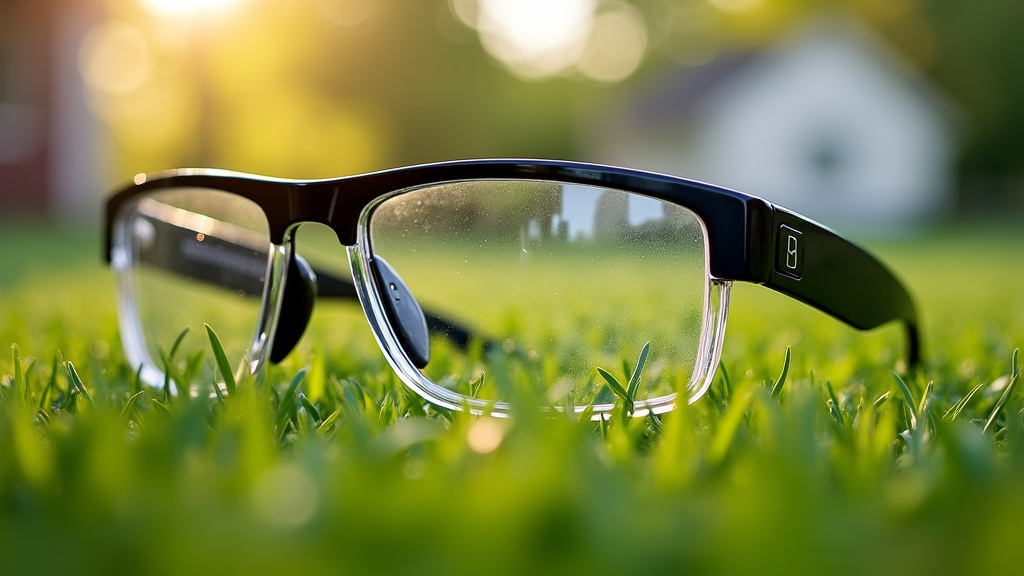
Beyond Safety Glasses: Additional Protective Gear
While safety glasses are your primary defense for your eyes, incorporating other protective gear can enhance your overall safety. Protecting your body from flying debris and potential injuries is also smart.
Protecting More Than Just Your Eyes
Consider wearing long pants and long-sleeved shirts, especially when mowing overgrown areas. This offers a barrier against scratches, insect bites, and minor impacts. Sturdy, closed-toe shoes are essential to protect your feet from debris and the mower itself.
Hearing protection is also highly recommended. Lawn mowers can produce noise levels that, over time, can lead to hearing loss. Earplugs or earmuffs can make your mowing experience much safer for your ears.
When to Consider a Face Shield
For individuals who frequently mow very rough terrain, deal with a lot of heavy debris, or operate equipment like brush cutters, a full face shield can offer an extra layer of protection. A face shield, worn *over* ANSI-approved safety glasses, covers the entire face. This provides a broader barrier against flying objects and can be particularly useful when dealing with thorny bushes or dense undergrowth.
We found that many landscapers and professional groundskeepers opt for a combination of safety glasses and a face shield for maximum protection, especially in challenging environments. For typical residential lawn mowing, however, high-quality safety glasses are usually sufficient.
Making Safety Glasses a Habit
The most effective safety gear is the gear you actually wear. Turning putting on safety glasses into a routine makes it second nature.
Before you even start your mower, make it a habit to grab your safety glasses. Keep them in a convenient spot near where you store your mower or your gardening tools. Maybe hang them on a hook by the garage door or keep a pair in your mower’s storage bag (if it has one).
A Quick Checklist for Safe Mowing
Before you mow, run through this mental checklist:
- Check your mowing path: Quickly scan for any large rocks, toys, or debris.
- Put on safety glasses: Make sure they fit snugly.
- Wear sturdy shoes: Protect your feet.
- Consider hearing protection: Especially for longer mowing sessions.
- Dress appropriately: Long pants and sleeves offer added protection.
By incorporating these simple steps, you’re not just mowing your lawn; you’re performing a safer, more responsible act of yard maintenance. Your eyes will thank you for it for years to come.
Conclusion
As we’ve seen, mowing your lawn can expose you to serious eye hazards. Flying debris from your mower can cause painful abrasions or even permanent vision loss. Safety glasses are your best defense against these risks. They are a small investment for protecting something as precious as your eyesight. Make it a habit to always put on your ANSI-certified safety glasses before you start the engine. Your future self will definitely thank you for it.
Frequently Asked Questions
Can regular sunglasses protect my eyes while mowing?
No, regular sunglasses are not designed for impact protection. While they offer UV protection and reduce glare, their lenses are typically made of materials that can shatter or break upon impact from flying debris. You need safety glasses specifically rated for impact resistance.
How do I know if safety glasses are truly safe for mowing?
Look for the ANSI Z87.1 certification mark on the glasses. This indicates they have passed rigorous testing for impact resistance and meet U.S. safety standards. Any glasses without this mark should not be considered adequate for mowing.
Are wrap-around safety glasses better for mowing than regular ones?
Yes, wrap-around safety glasses offer better protection for mowing. They fit closer to your face and cover the sides of your eyes, preventing debris from entering from the periphery. This wider coverage makes them more effective at keeping your entire eye area safe.
What if I wear prescription glasses? Do I still need separate safety glasses?
If you wear prescription glasses, you have a couple of options. You can wear ANSI-approved safety glasses over your prescription glasses, or you can get prescription safety glasses made to your specific needs. Regular eyeglasses are not sufficient protection, so make sure you have impact-rated eye protection.
Is it safe to mow my lawn if I don’t see any rocks or debris?
Even if you don’t see obvious rocks or debris, it’s still risky to mow without safety glasses. Small stones, twigs, or metal fragments can be hidden just beneath the grass or kicked up by the mower unexpectedly. It’s always best to err on the side of caution and wear your protective eyewear.
