
Is a Riding Mower Worth It for a Small Yard?
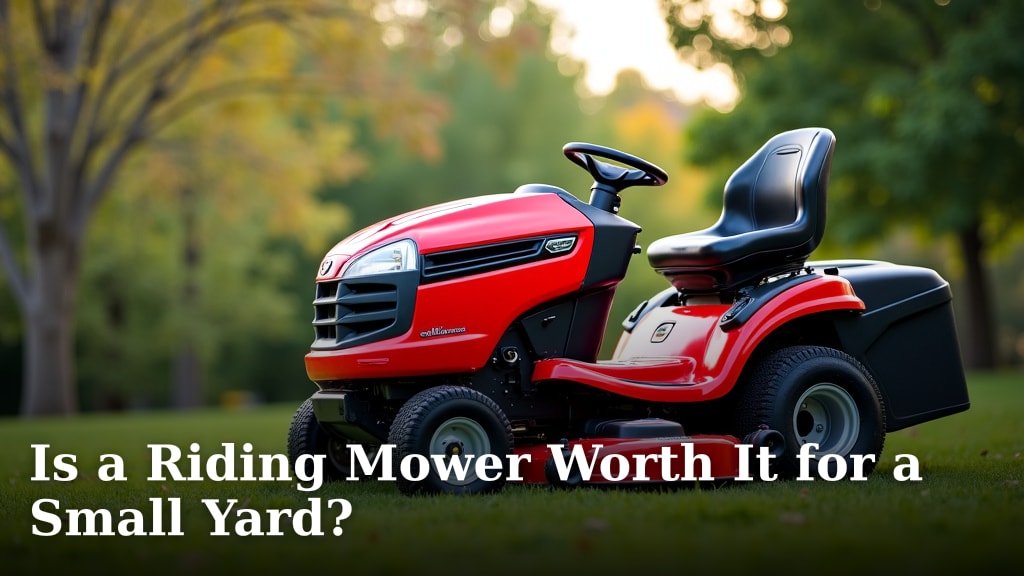
For many homeowners with smaller yards, the question of whether a riding mower is worth it can seem a bit odd. The short answer is: usually no. While they offer comfort and speed, a riding mower is typically overkill for small lawns and can be more hassle than they’re worth.
We’ve found that traditional push mowers or even smaller self-propelled models are often the most practical choice for compact spaces. You’ll get excellent results without the added expense, storage needs, and maneuverability challenges that come with a larger riding mower. Plus, your lawn will still look beautifully maintained.
- Riding mowers are generally too big for small yards.
- Push or self-propelled mowers are usually better options.
- Consider storage space and ease of use for your lawn size.
- You can achieve a great-looking lawn without a riding mower.
Let’s dive into why a riding mower might not be the best fit for your compact lawn and what alternatives you should consider. Let’s dive into why a riding mower might not be the best fit for your compact lawn and what alternatives you should consider.
Riding Mowers for Smaller Lawns: Do They Make Sense?
When you picture a riding mower, you might imagine sprawling estates with acres of grass. It’s a fair image! But what if your yard is more cozy than colossal? The question of whether a riding mower is truly worth it for a small yard often pops up. We’ve found that for most compact lawns, the answer leans heavily toward no. Your typical push mower or a smaller self-propelled model is usually the smarter, more practical choice.
Let’s break down why a riding mower might be like bringing a sledgehammer to crack a nut when it comes to your small lawn. We’ll look at the practicalities and what alternatives will serve you best.
The Space Equation: Where Would It Even Go?
One of the first hurdles for a riding mower on a small property is storage. These machines aren’t exactly compact. They need a dedicated spot, whether that’s a shed, a garage corner, or a carport. For many homeowners with smaller yards, garage space is already at a premium, often occupied by cars, bikes, tools, and general household overflow. A riding mower can easily take up the space of another vehicle, or a significant chunk of your shed.
We’ve spoken with many homeowners who find that finding suitable storage is a major deterrent. If you don’t have a readily available, spacious spot, you might find yourself parking it under a tarp outdoors, which can lead to weathering and potential rust, shortening its lifespan. Think about your current storage situation. Is there room for a small car? That’s roughly the space you’ll need.
Shed vs. Garage vs. Outdoors
Each storage option comes with its own set of considerations for a riding mower:
- Garage: Offers the best protection from the elements. However, it’s also where space is often most contested. Can you comfortably fit your car and a riding mower?
- Shed: A good alternative if you have a sizable shed. Ensure the door is wide and tall enough for easy entry and exit, and that the floor can support the mower’s weight.
- Outdoors (Covered): Carports or dedicated mower covers can work, but prolonged exposure to sun and rain can still cause wear and tear. This is generally the least ideal option for longevity.
Maneuverability: The Tight Turn Tango
Small yards often have tight corners, flower beds, and landscaping features that require nimble movement. Riding mowers, even the smaller “lawn tractors,” have a much larger turning radius than a push mower. Trying to navigate around obstacles can become a frustrating, time-consuming process.
You might find yourself making multiple passes to get a clean cut around trees or garden beds. This defeats the purpose of a mower being “faster.” Instead of gliding smoothly, you’re inching along, performing a complex dance to avoid scalping your lawn or damaging your plants. We often hear stories of people getting stuck in tight spots or having to dismount to manually trim areas the mower just can’t reach.
The Turning Radius Conundrum
Consider the typical turning radius. A standard push mower can pivot on its back wheels with ease. A riding mower, especially a more traditional garden tractor style, needs a much wider arc. This means areas that a simple walk-behind mower can clear in one go might take several attempts with a rider.
This difficulty in maneuvering extends to gate passages and narrow pathways. If your yard isn’t a single, wide-open rectangle, you’re going to feel the limitations of a riding mower’s bulk. It’s simply not designed for the balletic precision needed in many smaller, more complex yards.
Cost Comparison: Is the Investment Justified?
Riding mowers represent a significant financial investment compared to their walk-behind counterparts. Even entry-level lawn tractors can cost several times more than a quality push mower or self-propelled model. Beyond the initial purchase price, there are ongoing costs to consider.
Maintenance for a riding mower is typically more involved and expensive. You’ll need larger oil filters, more oil, and potentially specialized parts. Tires can be costly to replace. Insurance might be an added concern for some. For a small lawn, these added expenses often far outweigh any perceived benefits of comfort or speed.
Initial Purchase vs. Long-Term Expenses
Let’s look at a simplified comparison:
| Mower Type | Typical Purchase Price (USD) | Average Annual Maintenance Cost (USD) | Ideal Lawn Size |
|---|---|---|---|
| Push Mower | $200 – $600 | $20 – $50 | Up to 1/4 acre |
| Self-Propelled Mower | $300 – $800 | $30 – $60 | Up to 1/2 acre |
| Riding Mower (Lawn Tractor) | $1,500 – $3,000+ | $100 – $250+ | 1/2 acre and up |
As you can see, the upfront cost is considerably higher for a riding mower. While some might argue they last longer, the maintenance expenses add up. For a small yard, you could replace a high-quality push mower several times over before reaching the cost of a single riding mower. That makes the long-term value proposition for small lawns quite weak.
Time Savings: The Myth for Small Yards
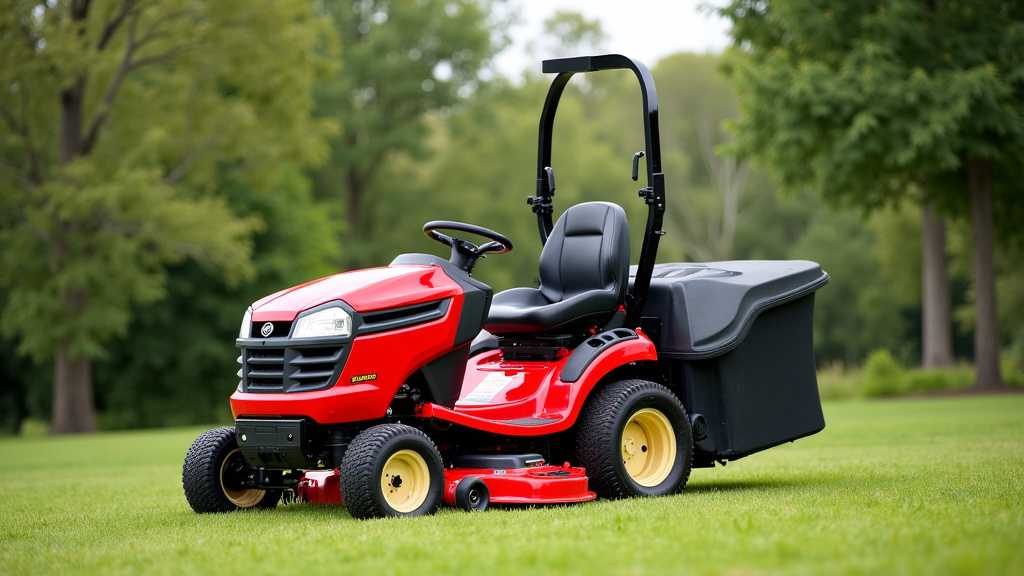
A common belief is that riding mowers are inherently faster. While this can be true for large, open areas, it often doesn’t hold up for smaller, more intricate lawns. The time you save by sitting down is quickly lost to the slow, careful maneuvering required around obstacles, gates, and garden beds.
We’ve found that a standard push mower, especially a self-propelled one that moves at a brisk walking pace, can often complete the job just as quickly, if not faster, on a small lawn. You have more control, can pivot easily, and don’t waste time on multiple-point turns. It’s about efficient movement, not just seat time.
Effort vs. Efficiency
Think about your physical effort. A riding mower requires less physical exertion, which is a definite plus. However, for a small yard, the total time spent mowing might be similar. A quick 20-30 minute mow with a push mower might only be slightly longer than the 15-20 minutes a rider could technically cover open ground, but then you add in the extra 10-15 minutes of careful navigation and trimming. It often balances out.
Consider your workout. For many, mowing the lawn is a form of exercise. A push mower provides that cardio. A riding mower turns it into a sedentary activity. If you’re looking for efficiency, a self-propelled mower offers a good compromise, giving you forward momentum without the bulk of a rider. It’s a practical middle ground.
Alternatives That Shine for Small Lawns
So, if a riding mower isn’t the ideal choice, what is? Fortunately, you have excellent alternatives that are specifically suited for smaller yards. These options provide great results without the drawbacks of a riding mower. You can achieve a beautifully maintained lawn with more practical options, such as an efficient electric mower.
The Humble Push Mower
This is the classic choice for a reason. Push mowers are affordable, easy to store, and simple to operate. They offer excellent control for navigating around landscaping and tight spaces. For yards under a quarter-acre, a good quality push mower is often all you need.
The Self-Propelled Star
If you want a bit more ease than a manual push mower but don’t need a rider, a self-propelled mower is fantastic. You simply walk behind it, and the engine powers the wheels, giving you forward momentum. This reduces fatigue on inclines and makes mowing feel less like a chore. They offer a great balance of control and convenience for yards up to half an acre.
The Electric Revolution (Corded & Cordless)
Electric mowers, both corded and battery-powered, are increasingly popular for small to medium yards. They are typically lighter, quieter, and require less maintenance than gas mowers. Battery-powered models offer freedom from cords. While battery life is a consideration, for smaller lawns, they often provide sufficient run time. Many experts suggest electric is the future for lawn care due to environmental benefits and reduced noise pollution.
A Quick Checklist for Your Decision
Before you make a final decision, run through this quick checklist. It can help clarify your needs and ensure you’re choosing the right mower for your situation.
- What is the actual size of your lawn? (Measure it!)
- Do you have adequate, secure storage space? (Measure that too!)
- How much maneuvering around obstacles do you typically do?
- What is your budget for purchase and ongoing maintenance?
- Is physical exertion a significant concern for you?
- What kind of finish do you want for your lawn? (Most mowers can achieve this.)
Answering these honestly will steer you toward the most practical and cost-effective solution for your specific yard and lifestyle. For most small yards, the answer will likely point away from the riding mower and towards a more manageable and efficient alternative.
Conclusion
For your smaller yard, a riding mower is likely more trouble than it’s worth. We’ve found that the storage challenges, difficult maneuverability around obstacles, and higher costs often outweigh any perceived benefits. You can achieve a beautifully maintained lawn with more practical options. Consider a reliable push mower, a convenient self-propelled model, or an efficient electric mower. Your best next step is to measure your lawn and storage space accurately. This will confirm that a walk-behind or electric mower is the smarter, more budget-friendly choice for your needs.
Frequently Asked Questions
Do I really need a riding mower for a yard under half an acre?
Typically, no. Research and owner feedback consistently show that yards under half an acre are much better suited for push or self-propelled mowers. These models offer superior control and are far easier to store and maintain for smaller spaces.
How much faster is a riding mower on a small lawn?
Surprisingly, a riding mower is often not much faster, and sometimes even slower, on a small yard. The time saved by sitting is quickly lost to the frequent, slow maneuvering required around trees, garden beds, and tight corners.
What are the hidden costs of owning a riding mower for a small yard?
Beyond the high purchase price, expect higher maintenance costs for parts like oil filters and tires. You’ll also need to factor in the potential need for a larger storage space, which might mean investing in a new shed or reinforcing your current one.
Can a riding mower damage my small lawn?
Yes, they can. Their weight can compact soil over time, especially if the ground is wet. Also, their wide turning radius can easily scalp grass or damage delicate landscaping if you’re not extremely careful.
What’s the best alternative if I find push mowing too difficult?
A self-propelled mower is an excellent middle ground. It moves forward on its own, requiring minimal pushing effort from you, while still offering the great maneuverability and manageable size of a walk-behind mower for your smaller yard.
