
Is Buying a Used Riding Mower Worth It?
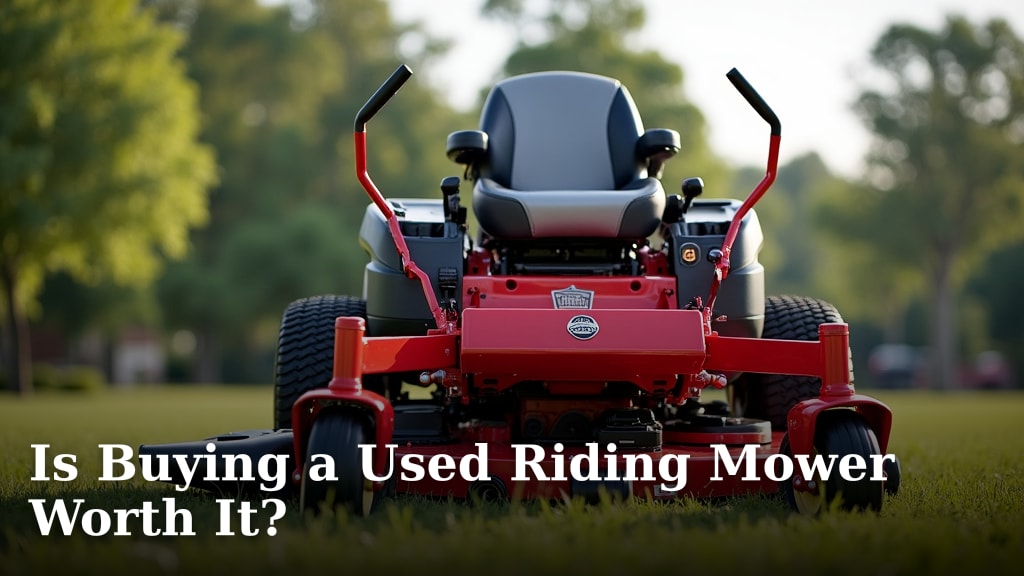
Yes, buying a used riding mower can be totally worth it, especially if you’re looking to save a good chunk of money. You can often find well-maintained machines for a fraction of the new price, giving your wallet a break. It’s a smart way to get a capable mower for your lawn.
When considering a pre-owned mower, it’s wise to think about its previous care and maintenance history. Some used mowers are practically brand new, while others might need a bit of TLC. Doing your homework can lead to finding a reliable workhorse that lasts for many seasons.
- Saving money is the biggest perk.
- You can find quality brands in good condition.
- Inspect carefully to avoid future repair costs.
- Consider your lawn size to match the mower’s power.
- Older models might lack newer tech but still cut grass well.
We’ve put together some tips and things to look for to help you decide if a used riding mower is the right choice for your yard.
So, you’re thinking about getting a riding mower but are eyeing the pre-owned market to keep costs down? That’s a smart move, and often, it’s absolutely the right one. Buying used means you can snag a powerful machine without that brand-new price tag. Let’s break down what makes buying a used riding mower a good idea and what you need to watch out for.
Is a Pre-Owned Riding Mower a Smart Purchase?
Yes, a used riding mower can be a very wise investment. You’re essentially buying a tool that does a big job, and if it’s been cared for, it can keep on doing that job for years. It’s like buying a used car; with a little inspection, you can find a gem.
The biggest draw is the cost savings. New riding mowers can easily run into thousands of dollars. A used one, even a few years old, can be half that price or even less. This means you can often afford a higher-quality brand or a more powerful model than you could buy new.
Many homeowners find that a used riding mower is the perfect solution for medium to large lawns. It takes the hard work out of mowing, letting you finish the job faster and with less sweat. Plus, there’s a certain satisfaction in getting a great deal on a substantial piece of equipment.
When Does a Used Riding Mower Make the Most Sense?
A used mower shines brightest when your primary goal is budget-friendliness. If you have a larger yard, say a half-acre or more, a riding mower is almost a necessity to make mowing manageable. A used one allows you to get this capability without breaking the bank.
Consider it if you’re tired of pushing a walk-behind mower. The relief of sitting down while your grass gets cut is a huge perk. It’s also a great option if you need a mower that can handle tougher terrain or inclines. Many used models are robust workhorses built to last.
If you’re handy with basic maintenance, a used mower can be even more appealing. Small issues can often be fixed with a bit of DIY effort, saving you money on service calls. However, even if you’re not mechanically inclined, a well-maintained used mower can still be a fantastic buy.
Saving Money: The Undeniable Advantage
Let’s talk numbers. You can find riding mowers that are just a year or two old for a fraction of their original cost. Depreciation hits new vehicles hard, and lawn equipment is no different. This initial drop in value is your gain.
For example, a mower that cost $3,000 new might be available used for $1,500 to $2,000. That’s a significant saving that can be put towards other yard projects or simply kept in your pocket. It’s a practical way to get the job done efficiently.
We found that many owners upgrade their riding mowers every 5-7 years. This means there’s a steady stream of gently used machines hitting the market. These mowers often have a lot of life left in them.
What to Look for in a Used Riding Mower
When you’re shopping for a used riding mower, think like you’re buying a used car. You need to give it a thorough inspection. Start with the basics and work your way up.
Visual Inspection: First Impressions Matter
Walk around the mower. Does it look like it’s been beaten up or well-cared for? Check for:
- Rust: Excessive rust, especially on the frame or deck, could indicate poor storage or neglect.
- Tires: Are they cracked or worn down? New tires can be an added expense.
- Seat: Is it torn? This is often a sign of general wear and tear.
- Bodywork: Dents and scratches are expected, but major damage could point to accidents.
Engine and Mechanical Checks: The Heart of the Matter
This is where things get serious. You want to see and hear the engine run.
Starting the Engine
Ask the seller to start the mower cold if possible. This means it hasn’t been run recently. Listen for:
- Easy starting: It should fire up without much struggle.
- Smooth running: No sputtering, stalling, or excessive shaking.
- Odd noises: Knocking, grinding, or squealing sounds are bad signs.
Checking Fluids and Belts
This is a good indicator of maintenance history. We recommend checking:
- Oil: Is the oil level correct? Is it dark and sludgy, or clean? Dirty oil means it hasn’t been changed regularly.
- Coolant (if liquid-cooled): Check the level and color.
- Belts: Look for cracks or fraying on the drive belts and deck belts.
The Cutting Deck: Where the Magic Happens (or Doesn’t)
The deck is where the grass gets cut. It needs to be in good shape.
- Rust and Holes: Look underneath the deck for deep rust or holes. This compromises its ability to cut evenly and can lead to expensive repairs or replacement.
- Blade Condition: Are the blades sharp and free of major nicks or bends?
- Spindle Check: Try to wiggle the blade attachment points. Excessive play means the spindles might need replacement.
Test Drive: The Proof is in the Performance
If you can, take it for a spin. This is your chance to see how it actually performs.
- Steering: Does the steering feel responsive, or is it loose and sloppy?
- Brakes: Do the brakes engage firmly?
- Transmission: How does it shift through the gears or change speed? Any hesitation or grinding?
- Cutting Action: If possible, run it over some grass. Does it cut evenly? Does the deck engage smoothly?
Pay attention to any vibrations. While some vibration is normal, excessive shaking can signal a problem with the engine, blade balance, or frame. Many experts suggest listening for the engine sound – it should be consistent under load.
Understanding Mower Age and Hours
Just like cars, riding mowers have an age and can rack up hours of use. While there isn’t a strict “mileage” equivalent, the number of hours on the engine is a good indicator of its remaining lifespan. We found that many residential riding mowers are designed for around 1,000 to 1,500 hours of use.
A mower with only 100-200 hours on it is likely just getting started. One with 500 hours might still have plenty of life, but it will likely require more maintenance sooner. Over 800 hours could mean it’s nearing the end of its useful life unless it’s been meticulously maintained.
Age is also a factor. Older models might lack some of the convenience features of newer mowers, like hydrostatic transmissions or electric blade engagement. However, many older mowers are built with robust, simple designs that are easier to repair.
Where to Find Used Riding Mowers
You’ve got several avenues to explore when searching for your next lawn companion.
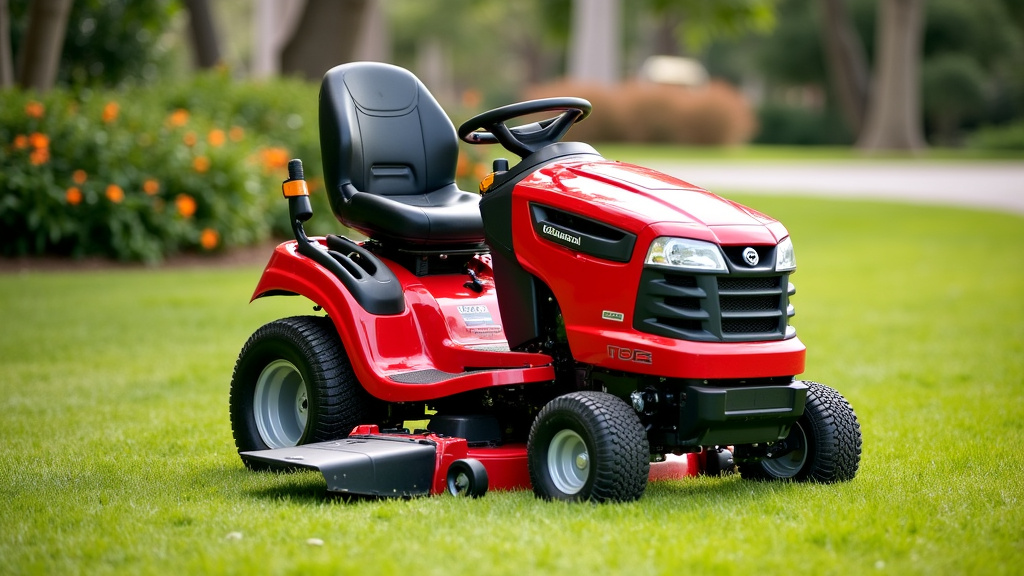
- Online Marketplaces: Sites like Craigslist, Facebook Marketplace, and eBay are full of listings. You’ll find a wide variety here, from private sellers to dealers.
- Local Dealers: Many lawn equipment dealerships sell pre-owned mowers. They often inspect and service them before selling, offering a bit more peace of mind.
- Auctions: Estate sales and equipment auctions can sometimes yield great deals, but they often require quick decisions and less inspection time.
- Word of Mouth: Let your neighbors and friends know you’re looking! Sometimes the best deals are found through personal connections.
When buying from a private seller, be extra diligent with your inspection. Dealers might offer a limited warranty, which can be a nice bonus. We found that buying from a reputable dealer often costs a bit more but can save you headaches down the line.
The Maintenance History Checklist
Before you hand over your hard-earned cash, try to get a sense of how the mower was treated. A good maintenance history is almost as important as the mower’s current condition.
- Has the oil been changed regularly?
- When were the air filter and spark plug last replaced?
- Has the deck been cleaned and sharpened?
- Are there records of any major repairs?
- What year was it manufactured?
If the seller can provide service records or talk knowledgeably about maintenance, that’s a very positive sign. It shows the previous owner cared about the machine.
When to Walk Away: Red Flags to Watch For
Even with a great deal, some issues are just not worth the trouble. Be wary if you see:
- Excessive smoke from the engine (blue smoke means burning oil, black smoke means too much fuel).
- Major leaks of oil or hydraulic fluid.
- A cracked engine block or transmission housing.
- A seller who is hesitant to let you inspect or test the mower.
- A mower that looks visibly neglected, with major rust or damage.
If a deal seems too good to be true, it probably is. It’s always better to be cautious and wait for the right machine than to buy a lemon that will cost you more in repairs than you saved. Remember, your goal is a mower that works, not one that becomes a constant project.
Conclusion
So, is buying a used riding mower worth it? Our research shows a resounding yes, when you approach it with a smart strategy. You can achieve substantial savings and still get a reliable machine. Remember to focus on a thorough inspection, check the maintenance history, and trust your gut. Don’t be afraid to walk away from a mower that raises too many red flags. Your next step is to start your search, armed with these tips, and find that perfect pre-owned mower for your yard.
Frequently Asked Questions
How many hours should a used riding mower have?
Many residential riding mowers are built to last between 1,000 to 1,500 hours. A mower with under 200 hours is still very new. Anything over 800 hours might require more frequent maintenance soon.
Can I get a good quality riding mower for under $1000?
Yes, it’s definitely possible to find a decent used riding mower for under $1000. You’ll likely be looking at older models or those that may need minor cosmetic work. A thorough inspection is key to ensure it’s mechanically sound.
What’s the biggest risk when buying a used riding mower?
The biggest risk is inheriting expensive problems that weren’t apparent during your inspection. This could include engine issues, transmission problems, or a severely corroded cutting deck. Careful checks help mitigate this risk.
Should I get a used mower inspected by a mechanic?
If you’re not mechanically inclined or if the mower is a significant investment, getting a pre-purchase inspection by a small engine mechanic is highly recommended. They can spot issues you might miss.
What is the best time of year to buy a used riding mower?
The best time to buy is often in the late fall or winter. People tend to sell their mowers when they no longer need them, leading to a larger supply and potentially lower prices.
