
Why Is My String Trimmer Bogging Down?
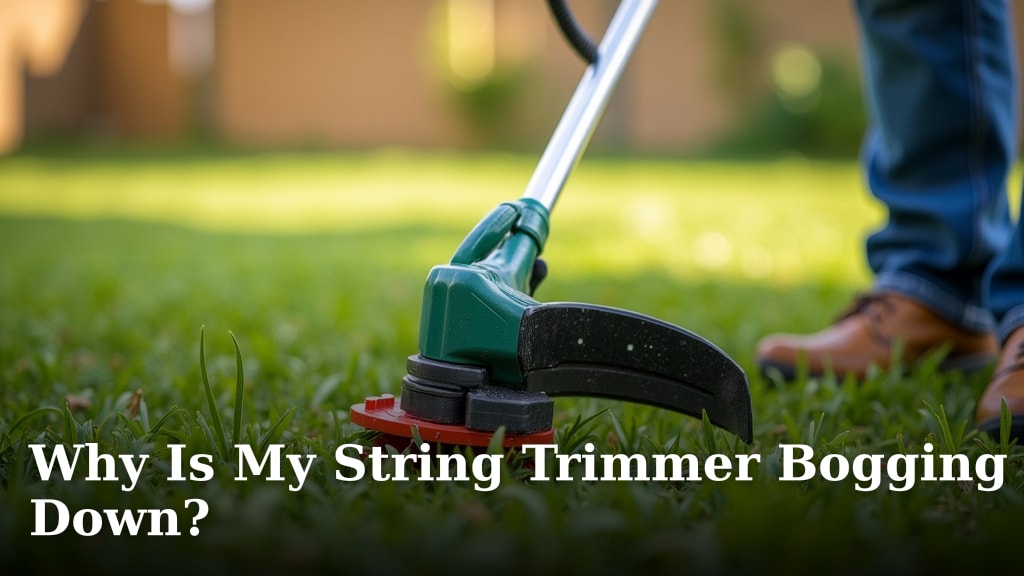
Your string trimmer bogs down because it’s not getting enough air or fuel, or it has a dull or tangled line. This often happens when the air filter is dirty, the fuel lines are clogged, or the trimmer line is too long or wrapped incorrectly. It’s frustrating, but usually fixable.
When your trimmer struggles, it feels like it’s losing power and just not cutting efficiently. This lack of power can stem from several common issues. We found that understanding these simple mechanical problems can save you a lot of time and hassle.
- Dirty air filter
- Clogged fuel lines
- Incorrect trimmer line
- Spark plug issues
Let’s walk through exactly why your string trimmer might be acting up and how you can get it running smoothly again.
Why Your String Trimmer is Losing Power and Bogging Down
It’s incredibly frustrating when your string trimmer suddenly loses power. You’re in the middle of a job, and it starts sputtering, feeling heavy, and just not cutting like it should. This common problem, often called “bogging down,” means your engine isn’t getting what it needs to run at full capacity. Many homeowners face this issue every cutting season.
The Air Filter: Your Trimmer’s Lungs
Think of the air filter like your string trimmer’s lungs. If they’re clogged, it can’t breathe properly. A dirty air filter prevents enough air from entering the engine. This disrupts the fuel-to-air mixture, making the engine run too rich. A rich mixture has too much fuel and not enough air. This is a primary reason for bogging down, especially when the engine is under load.
Signs of a Clogged Air Filter
You might notice your trimmer starts okay but then struggles when you try to cut thicker weeds or grass. It can feel sluggish. Sometimes, you’ll see black smoke coming from the exhaust. This black smoke is unburned fuel, a clear sign of a rich mixture. We found that this is one of the most frequent culprits.
Cleaning or Replacing the Air Filter
Most string trimmers have an accessible air filter cover. You’ll usually find a knob or screws holding it in place. Carefully remove the cover. Take out the air filter. If it’s a foam filter, you can often wash it with mild soap and water. Let it dry completely before putting it back. If it’s a paper filter, you can try tapping it gently to dislodge debris. If it looks very dirty or damaged, it’s best to replace it. Many manufacturers recommend replacing the air filter annually or after a certain number of hours of use (Smithsonian Magazine).
Fuel System Issues: Feeding Your Trimmer
Just like a car, your string trimmer needs clean fuel to run smoothly. If the fuel system is compromised, your trimmer will definitely show it by bogging down. This can happen in a few key areas: the fuel filter, the fuel lines, and the carburetor.
The Clogged Fuel Filter
Inside your fuel tank, there’s usually a small fuel filter attached to the end of the fuel line. This filter catches debris before it gets into the engine. Over time, this filter can become saturated with dirt and gunk. When it’s clogged, it restricts fuel flow. This is very similar to a dirty air filter causing an imbalance. We found that many users overlook this small but vital part.
Blocked Fuel Lines
The small rubber or plastic fuel lines carry gasoline from the tank to the carburetor. If these lines become kinked, cracked, or clogged with sediment, fuel delivery will suffer. This restriction means the engine won’t get enough gas, leading to power loss. Old fuel can also leave a sticky residue that clogs these lines.
Carburetor Problems
The carburetor is the heart of the fuel delivery system. It mixes fuel and air in the correct ratio for combustion. If it’s dirty or clogged, this precise mixture is thrown off. This is especially common if you’ve used old gasoline or if dirt has gotten into the fuel system. A dirty carburetor is a major cause of sputtering and bogging down. Many experts say that a dirty carburetor is the most complex part of the fuel system to fix at home (EPA).
What to Do About Fuel System Problems
First, check your fuel. Make sure you’re using fresh gasoline mixed with the correct oil ratio. Never use fuel that’s been sitting for more than 30 days. If you suspect a clogged fuel filter, it’s usually easy to replace. You can often pull the fuel line out of the tank and replace the small filter at the end. For clogged fuel lines or carburetor issues, you might need to clean them. Sometimes, a carburetor cleaner spray can help. However, a severely clogged carburetor often requires disassembly and thorough cleaning or even replacement. If you’re not comfortable with engine mechanics, this is a job for a qualified repair shop.
Spark Plug Issues: The Ignition’s Role
The spark plug is responsible for igniting the fuel-air mixture in the cylinder. If it’s not working correctly, your engine won’t run efficiently, or it might not run at all. A worn-out or fouled spark plug can cause your trimmer to bog down.
Signs of a Bad Spark Plug
A spark plug can become fouled with carbon deposits or oil. This prevents a strong spark. You might notice that your trimmer has trouble starting, runs roughly, or loses power under load. We found that a weak spark is often the unseen culprit behind poor performance.
Checking and Replacing Your Spark Plug
You can usually access the spark plug by removing a protective cover. Unscrew the spark plug boot. Then, use a spark plug wrench to remove the plug. Inspect it for heavy carbon buildup or oil. You can try cleaning it gently with a wire brush. Check the gap between the electrodes; it should match the specification for your trimmer model. If it looks heavily damaged or very worn, it’s time for a new one. Spark plugs are relatively inexpensive and easy to replace. It’s a good maintenance task to do at the start of each cutting season.
The Trimmer Line: More Than Just a String
While not directly an engine issue, the trimmer line itself can cause your trimmer to bog down. This happens when the line is too long, too thick, or improperly wound on the spool.
Why Line Matters
The engine has to work harder to spin a longer or thicker line. If the line is tangled on the spool, it can prevent new line from feeding out smoothly. This can cause the cutting head to bind up, putting a heavy load on the engine. We found that improper line winding is a common frustration for many users.
Proper Line Management
Always use the trimmer line diameter recommended by your trimmer’s manufacturer. Check your owner’s manual for guidance. When you rewind the spool, make sure the line is wound neatly and evenly. Avoid overlapping layers too much, as this can cause tangles. If you’re having trouble feeding line, stop the trimmer and check the spool. Sometimes, a quick tap on the ground will feed more line. If it’s jammed, you might need to remove the spool and manually untangle it.
Engine Overheating: Taking a Break
String trimmers are designed for outdoor work, but they can overheat, especially in hot weather or when working them very hard. An overheating engine can lose power and bog down.
Causes of Overheating
This is more common with air-cooled engines, like those on most string trimmers. If the cooling fins on the engine are clogged with grass clippings, dirt, or debris, air can’t flow properly. This prevents the engine from dissipating heat effectively. Also, running the engine at full throttle for extended periods without a break can lead to overheating. Many experts suggest regular breaks on very hot days (Consumer Reports).
Preventing Overheating
Keep the engine clean. Regularly clear away any grass or dirt from the cooling fins. Take breaks when the weather is extremely hot or when you’re cutting very thick vegetation. If your trimmer starts to lose power and feels excessively hot, shut it off and let it cool down for 10-15 minutes before resuming.
Troubleshooting Checklist: Get Back to Cutting
When your string trimmer starts to bog down, follow these steps:
- Check the Air Filter: Is it dirty? Clean or replace it.
- Inspect the Fuel: Use fresh gas. Is the fuel filter clear?
- Examine the Spark Plug: Does it look fouled or worn? Clean or replace it.
- Review the Trimmer Line: Is it wound correctly? Is it the right size?
- Listen to the Engine: Is it overheating? Let it cool down.
- Clean the Cooling Fins: Ensure good airflow around the engine.
Conclusion
You’ve learned that your string trimmer bogging down is usually a sign of a simple mechanical issue. A clogged air filter, dirty fuel system, or worn spark plug can all cause your trimmer to lose power. Even improper trimmer line can make your engine struggle. By performing regular maintenance like cleaning or replacing these parts, you can keep your trimmer running efficiently. Don’t let a bogged-down trimmer stop your yard work. Take these steps today to get back to a clean, trimmed yard.
Frequently Asked Questions
How often should I clean my string trimmer’s air filter?
We recommend checking your air filter at least once a month during heavy use. If you notice it looks dirty or your trimmer is bogging down, clean or replace it immediately. This simple step can prevent bigger problems.
Can old gasoline really cause my trimmer to bog down?
Yes, absolutely. Old gasoline can lose its potency and leave behind gummy deposits. These deposits can clog fuel lines and the carburetor, restricting fuel flow. Always use fresh fuel mixed correctly for optimal performance.
My trimmer smokes black. What does that mean?
Black smoke usually indicates a rich fuel mixture, meaning too much fuel and not enough air. This is often caused by a dirty air filter or a carburetor issue. Cleaning or replacing the air filter is a good first step to try.
Is it normal for my trimmer to overheat on hot days?
While it’s normal for engines to generate heat, excessive overheating can cause bogging down. Ensure the engine’s cooling fins are clear of debris. If your trimmer feels very hot, let it cool down for a few minutes.
When should I consider taking my trimmer to a repair shop?
If you’ve cleaned the air filter, checked the spark plug, and used fresh fuel, but your trimmer still bogs down, it might be a more complex issue. Carburetor problems or internal engine issues are best handled by a professional.
