
How Much Does a Good Leaf Blower Cost?

A good leaf blower can cost anywhere from $100 to $500 or more. The exact price depends on the type, power, and brand you choose. Cordless models tend to be on the higher end. Gas-powered blowers often fall into the mid-to-high price range.
We found that the most budget-friendly options are often corded electric models. If you need more power for heavier debris, consider a battery-powered or gas model. Your yard size and the types of leaves you typically deal with will influence which type is best for you and your budget. Think about needing the right tool for the job! If you have a large property or deal with heavy, wet leaves and debris, consider a backpack leaf blower.
- Leaf blower prices vary widely.
- Expect to spend $100-$500 for a good one.
- Cordless and gas blowers cost more.
- Corded electric is the cheapest option.
- Consider your yard size and leaf types.
Let’s break down the factors that affect leaf blower costs so you can find the perfect one for your needs.
Understanding Leaf Blower Price Tags
The cost of a good leaf blower can really vary. You might spend as little as $50 or as much as $600 or even more. We found that most people looking for a reliable, effective blower land in the $100 to $300 range. This sweet spot offers a good balance of power, durability, and features without breaking the bank.
Why such a big difference? It mostly comes down to the type of power they use, how strong they are, and the brand name behind them. Let’s break down what you’re actually paying for.
Powering Your Cleanup: Types and Their Costs
The biggest factor influencing how much you’ll spend is the power source. Each type has its own pros, cons, and price point. We’ve looked at the common options to help you decide.
Corded Electric Leaf Blowers: The Budget-Friendly Pick
These are typically the most affordable leaf blowers you can find. You can often snag a decent corded model for under $100. They are lightweight and easy to maneuver.
The main trade-off is the cord. You’re tethered to an electrical outlet. This means you’ll need an extension cord that’s long enough for your yard. We found that for smaller yards, these are often perfectly adequate and a smart way to save money.
Think of it like a vacuum cleaner for your yard. Easy to use, but you have to manage the cord. Many guidelines suggest these are great for patios, decks, and smaller lawn areas (Consumer Reports).
Cordless Battery-Powered Leaf Blowers: Convenience King
These blowers offer a great blend of power and freedom. They run on rechargeable lithium-ion batteries, similar to those in cordless drills or even electric cars. Prices for these tend to start around $150 and can go up to $400 or more, especially for kits with multiple batteries.
What influences the cost here? The battery voltage and amp-hours (Ah) are key. Higher voltage (like 40V or 60V) usually means more power. More Ah means longer run time on a single charge. We found that investing in a model with at least a 4.0Ah battery is often recommended for decent yard cleanup.
The convenience is a big draw. No cord to wrangle, no gas to mix. Many users find them quiet and easy to start. Just pop in the battery and go! This is why many experts suggest they are ideal for medium-sized yards.
Gas-Powered Leaf Blowers: The Heavy-Duty Choice
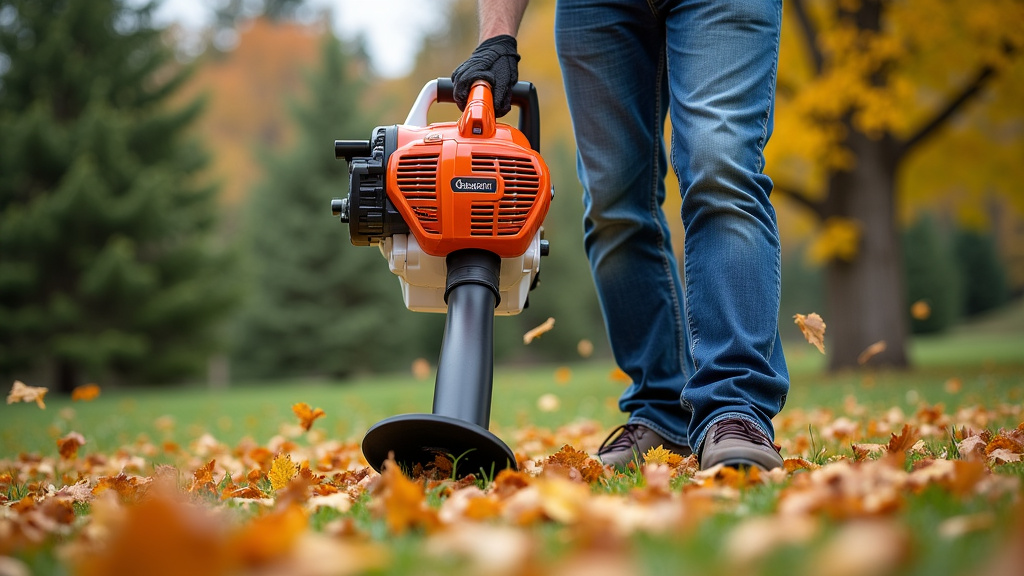
If you have a large property or deal with heavy, wet leaves and debris, a gas blower might be your best bet. These are generally the most powerful option available. You’ll likely be looking at a price range of $200 to $500, and sometimes even higher for professional-grade models.
Gas blowers come in two main types: 2-stroke and 4-stroke engines. 2-stroke engines require a gas-oil mixture. They are often lighter but can be louder and produce more emissions. 4-stroke engines run on regular gasoline and are generally quieter, more fuel-efficient, and produce fewer emissions. Many sources suggest 4-stroke models are a good investment for the environment and your wallet in the long run (EPA).
The power you get is undeniable. They can move a serious amount of leaves. However, they do require more maintenance, like changing spark plugs and air filters, and dealing with fuel. We found that for serious yard work, the power often justifies the higher cost and maintenance.
Factors That Influence Leaf Blower Prices
Beyond the power source, several other features can impact the price tag. Thinking about these will help you understand why some blowers cost more than others.
Blower Power: Cubic Feet Per Minute (CFM) and Miles Per Hour (MPH)
When you’re comparing blowers, you’ll often see two key metrics: CFM and MPH. CFM measures the volume of air the blower can move. MPH measures the speed of that air.
- CFM: Higher CFM means you can move more leaves at once. This is great for clearing large areas quickly.
- MPH: Higher MPH means the air stream is more concentrated, useful for tougher jobs like wet leaves or stubborn debris.
Generally, the higher the CFM and MPH ratings, the more powerful the blower, and usually, the higher the price. We found that for most homeowners, a blower with around 400-500 CFM and 150-200 MPH is more than sufficient for typical fall cleanups.
Brand Reputation and Durability
Just like with cars or tools, some brands have built a reputation for quality and reliability. Companies known for making durable, long-lasting outdoor power equipment often charge a premium for their products.
You might see names like Stihl, ECHO, Husqvarna, or Greenworks. These brands often use higher-quality materials and have better engineering. We found that while a less-known brand might be cheaper upfront, investing in a reputable brand can save you money in the long run through fewer repairs and a longer lifespan for the tool.
Features and Accessories
Some leaf blowers come with extra bells and whistles that add to the cost. These can include:
- Variable speed controls
- Cruise control for the throttle
- Ergonomic grips and anti-vibration systems
- Quieter operation (often achieved through advanced fan designs or mufflers)
- Included accessories like shoulder straps or different nozzle tips
- Higher capacity batteries or faster chargers for cordless models
While these features can enhance your user experience, they aren’t always essential for getting the job done. We found that for many users, basic models offer plenty of bang for their buck.
Comparing Costs: A Quick Overview
To give you a clearer picture, here’s a general price comparison based on blower type:
| Blower Type | Typical Price Range | Best For |
|---|---|---|
| Corded Electric | $50 – $100 | Small yards, patios, light debris |
| Cordless Battery-Powered | $150 – $400+ | Medium yards, convenience seekers |
| Gas-Powered | $200 – $500+ | Large yards, heavy debris, demanding tasks |
Remember, these are just general guidelines. You can always find deals or higher-end models that fall outside these ranges. We found that sales events, especially around spring and fall, can be a great time to snag a good deal.
Making the Smart Choice for Your Yard
So, how do you choose the right leaf blower without overspending? It’s all about matching the tool to your needs.
Consider Your Yard Size
This is probably the most important factor. A tiny urban yard with a few trees might only need a basic corded model. A sprawling estate with mature oaks will definitely benefit from the power of a gas or high-performance cordless blower.
We found that many experts recommend measuring your yard’s square footage. This gives you a concrete number to work with when deciding on power requirements (University of Maryland Extension).
Think About Leaf Type and Debris
Are you dealing with light, fluffy maple leaves? Or heavy, wet oak leaves that stick to the ground? Pine needles and small twigs also present different challenges.
Heavy, wet leaves require more force to move. This means you’ll want a blower with higher CFM and MPH ratings. For lighter debris, you can get away with less power. We found that people who consistently deal with wet leaves often upgrade to gas or more powerful battery models.
Your Budget and Long-Term Value
Set a budget before you start shopping. Then, look for the best option within that budget that meets your yard’s needs. Sometimes, spending a little more upfront on a higher-quality tool means it will last longer and perform better.
Think about maintenance costs, battery replacement for cordless models, and fuel costs for gas blowers. We found that balancing the initial purchase price with long-term operating costs is a smart way to approach the decision.
Your Leaf Blower Shopping Checklist
Here’s a quick checklist to help you remember the key points when you’re out shopping:
- Yard Size: Is it small, medium, or large?
- Power Source: Corded electric, cordless battery, or gas?
- Power Metrics: Look at CFM and MPH.
- Budget: How much are you comfortable spending?
- Brand Reputation: Do you prefer known, reliable brands?
- Extra Features: Are variable speed or other conveniences important to you?
Conclusion
Finding the right leaf blower doesn’t have to be complicated or break your budget. We’ve seen that a good leaf blower typically costs between $100 and $300, but can range up to $500 or more for heavy-duty models. Your yard size, the types of leaves you deal with, and your preference for power source (corded, battery, or gas) are the biggest factors. Prioritize what matters most for your yard work and your wallet. Before you buy, use our checklist to ensure you’re getting the best tool for your specific needs. Happy blowing!
Frequently Asked Questions
What’s the cheapest type of leaf blower?
Corded electric leaf blowers are generally the most budget-friendly option. You can often find a reliable corded model for under $100. They are a great choice for smaller yards and simple cleanup tasks.
When should I consider a gas-powered leaf blower?
You should consider a gas-powered blower if you have a large property or frequently deal with heavy, wet leaves and debris. These models offer the most power, but they also come with a higher price tag and require more maintenance.
Are battery-powered leaf blowers worth the extra cost?
For many homeowners, battery-powered leaf blowers are worth the investment for their convenience and balance of power. While they cost more than corded models, they offer freedom from cords and easier startup than gas models.
How do CFM and MPH affect the price?
Higher CFM (air volume) and MPH (air speed) ratings indicate a more powerful blower, which typically leads to a higher price. Most homeowners find blowers with around 400-500 CFM and 150-200 MPH are sufficient for standard yard work.
Can I find a good leaf blower on a tight budget?
Yes, you absolutely can! If your budget is limited, focus on corded electric models for smaller yards or look for sales on battery-powered blowers. Consider what features are essential for your needs to make the best choice within your budget.
