
How Much Does a Professional Chainsaw Cost?
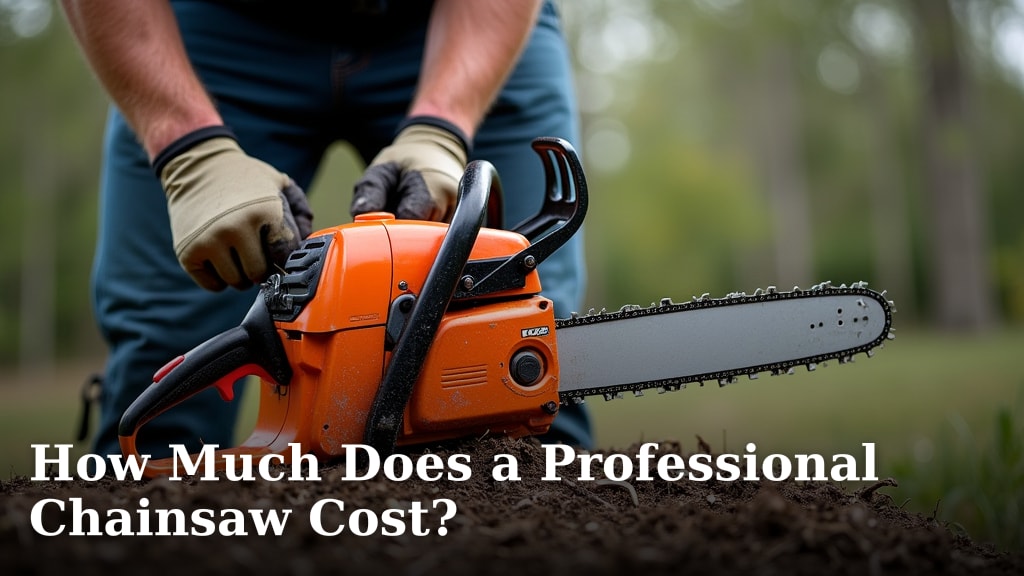
So, you’re wondering how much a professional chainsaw costs? You can expect to pay anywhere from $200 to over $1,000 for a top-quality, professional-grade chainsaw. The price really depends on its power, features, and brand reputation.
We know it’s a big investment. Your new chainsaw needs to be tough and reliable for demanding jobs. Think about the tasks you’ll tackle. This will help you find the best balance of performance and price for your needs.
- Professional chainsaws typically range from $200 to over $1,000.
- Price is based on power, features, and brand.
- Consider your typical tasks to choose wisely.
- Higher prices often mean more durability and power.
Let’s break down what goes into that price tag and help you figure out which professional chainsaw is the right fit for you.
What’s the Price Tag on a Pro Chainsaw?
You’re looking to buy a professional chainsaw, and the big question is: how much does it really cost? Well, the price for a truly professional-grade saw can vary quite a bit. You’ll often see prices starting around $400 for a solid entry-level pro model and going upwards of $1,000, sometimes even $1,200 or more, for top-tier, high-performance machines.
Think of it like buying a really good tool for your trade. A professional chainsaw isn’t just for occasional yard work; it’s built for heavy-duty tasks. This means it needs to be robust, reliable, and powerful enough to handle tough jobs day in and day out. That kind of engineering and durability comes at a price, of course.
Breaking Down the Costs: What Drives the Price?
Several factors really determine where a professional chainsaw falls on that price spectrum. It’s not just about the brand name, though that plays a role. You’re primarily paying for the performance, durability, and specific features that make it suitable for professional use.
Engine Size and Power
The heart of any chainsaw is its engine. For professional models, you’re looking at engines with higher cubic centimeter (cc) displacements. More cc generally means more power. This power translates to faster cutting speeds and the ability to tackle larger logs and denser wood without the saw bogging down.
For instance, a homeowner saw might have a 30-40cc engine. A professional saw for limbing or felling trees typically starts in the 50cc range and can go up to 70cc or even 90cc for the most demanding applications. We found that saws with engines over 60cc often command higher prices due to their enhanced capabilities for heavy-duty work.
Bar Length and Cutting Capacity
The bar is the metal strip that guides the chain. Professional chainsaws come with longer bars, allowing you to cut through thicker materials in a single pass. Common professional bar lengths range from 16 inches up to 24 inches or even longer. Longer bars require more power to drive the chain effectively, which is another reason why saws with longer bar options are often more expensive.
Think about the size of the trees you’ll be cutting. A 20-inch bar might be perfect for many professional jobs, offering a good balance. If you regularly work with very large diameter timber, you might need a saw with a 24-inch or larger bar, and that will naturally increase the cost.
Build Quality and Materials
Professional chainsaws are built to withstand the rigors of daily use. This means they use higher-quality materials, such as magnesium crankcases and professional-grade air filtration systems. These components are more durable and can handle more heat and stress than the plastic found in lighter-duty saws.
We found that brands known for their professional lines often invest in advanced engineering. This includes better vibration dampening systems to reduce user fatigue, improved anti-kickback features for safety, and more robust handles. These design choices contribute to a longer lifespan and a higher initial cost.
Brand Reputation and Reliability
Certain brands have earned a reputation for producing reliable, high-performance professional chainsaws. Companies like Stihl, Husqvarna, and Echo are frequently cited by arborists and loggers for their durability and serviceability. You are often paying a premium for this proven track record and the assurance of quality.
While there are less expensive brands that might offer a decent saw, professional users often stick with these established names because they know they can depend on them in tough situations. This brand loyalty is built on years of consistent performance. Many experts suggest that investing in a well-respected brand can save you money in the long run through fewer repairs and less downtime.
Understanding Chainsaw Tiers and Their Costs
It’s helpful to think about professional chainsaws in tiers. This helps you understand why one saw might cost $400 and another $1,000. Each tier is designed for specific types of users and workloads.
Entry-Level Professional (Approx. $400 – $600)
These saws are a step up from homeowner models. They offer better power, durability, and features than you’d find in a big-box store saw. You’ll typically get an engine in the 40cc to 50cc range, suitable for frequent use on mid-sized tasks. They’re great for homeowners who need something more robust or for professionals who don’t use their saw daily but need reliable performance when they do.
You might see features like an adjustable oiler and decent anti-vibration. They are built to last longer than consumer models but might not have all the bells and whistles of higher-end professional saws. These are often referred to as “farm and ranch” or “arborist” saws by some manufacturers.
Mid-Range Professional (Approx. $600 – $900)
This is where you find many of the workhorse saws favored by professional loggers, arborists, and land management crews. These saws usually boast engines between 50cc and 70cc, often with bars from 16 to 20 inches. They are designed for daily, demanding use.
Expect features like advanced air filtration for cleaner engines, better vibration isolation for comfort during long workdays, and more robust construction. Many of these saws have tool-less chain tensioning systems, which are a real convenience. We found that many users in this range prioritize a balance of power, comfort, and durability.
High-End Professional (Approx. $900+)
These are the top-of-the-line machines. Think saws with engines of 70cc and above, designed for the most challenging tasks such as felling large trees and bucking heavy logs. They feature the best available technology and the most durable components.
These saws often have advanced anti-vibration systems, superior air filtration, heated handles (a lifesaver in cold weather!), and high-performance engines. They are built for professionals who need absolute reliability and maximum cutting efficiency. The investment here is justified by the performance gains and extended lifespan in extremely demanding environments.
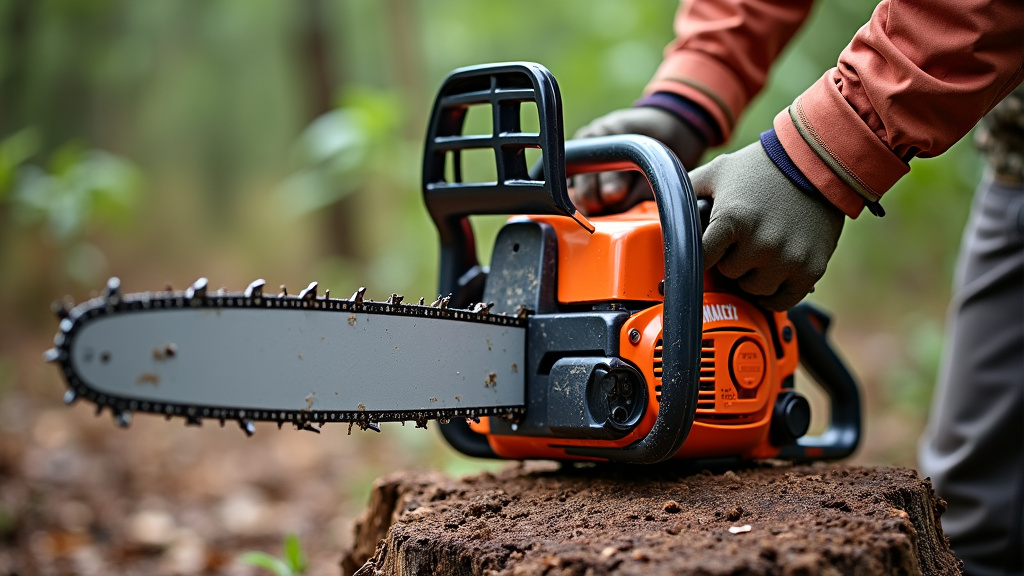
Hidden Costs and Considerations
When you’re budgeting for a professional chainsaw, don’t forget the accessories and ongoing costs. These can add a significant amount to your initial outlay and total ownership cost.
Essential Accessories
You can’t just buy the saw and start cutting. You’ll need a few other things:
- Safety Gear: This is non-negotiable. You’ll need chaps or chainsaw pants, a helmet with a face shield and hearing protection, and sturdy gloves. Expect to spend $100 to $300 on quality safety gear.
- Extra Chains: Chains wear out and break. Having at least one spare chain is highly recommended. Professional chains can cost anywhere from $20 to $50 each.
- Bar and Chain Oil: You’ll need a steady supply of bar and chain oil to keep everything lubricated. A gallon might cost $15 to $30.
- Fuel Mix: For gas-powered saws, you’ll need gasoline and 2-stroke oil for the fuel mix.
- Maintenance Tools: A file for sharpening, a scrench (combination tool), and possibly a sharpening guide are essential. A basic kit might be $30 to $60.
Maintenance and Upkeep
Professional chainsaws require regular maintenance to keep them running at their best. Sharpening the chain, cleaning the air filter, and checking the spark plug are tasks you’ll do frequently. Proper maintenance extends the life of your saw and ensures it performs optimally. Neglecting maintenance can lead to costly repairs down the line.
We found that many owners choose to learn basic maintenance themselves to save time and money. However, professional servicing or repairs can add to the overall expense, especially if a part breaks due to wear and tear or an accident.
Checklist: Finding the Right Professional Chainsaw for Your Budget
Before you hand over your hard-earned cash, run through this quick checklist. It will help you make a smart choice without overspending or underspending.
- Assess Your Needs: What kind of wood will you cut? How often will you use the saw?
- Prioritize Power: Ensure the engine size (cc) and bar length match your typical tasks.
- Research Brands: Look into brands with a strong professional reputation.
- Factor in Safety Gear: Don’t forget the cost of essential personal protective equipment.
- Budget for Accessories: Account for extra chains, oil, and basic maintenance tools.
- Consider Long-Term Value: A slightly more expensive saw that lasts longer is often a better investment.
Conclusion
Investing in a professional chainsaw is a decision that pays off in performance and longevity. We’ve seen that prices typically range from $400 to over $1,000, with costs directly tied to engine power, bar length, build quality, and brand reputation. Remember to factor in essential safety gear and ongoing maintenance supplies to get the full picture. Before you buy, make sure your chosen saw’s specs align with your common tasks. This thoughtful approach ensures you get a reliable tool that meets your needs without overspending.
Frequently Asked Questions
What is the difference between a homeowner and a professional chainsaw?
Professional chainsaws are built with more durable materials, like magnesium crankcases, and feature higher-powered engines (50cc+) for demanding, daily use. They offer better air filtration and vibration dampening for extended operation. Homeowner models are lighter and less robust, designed for occasional tasks.
Do I really need to spend $800+ on a chainsaw?
If you’re a professional logger, arborist, or regularly fell large trees, then yes, a high-end saw is likely a wise investment. Its superior power, durability, and features will enhance your efficiency and reduce downtime. For less frequent or less demanding work, a mid-range or entry-level pro saw might be perfectly adequate.
Can I use a shorter bar on a more powerful professional chainsaw?
Yes, you often can. Many professional saws allow you to choose different bar lengths. A shorter bar (e.g., 16-18 inches) on a powerful engine will give you quicker acceleration and better maneuverability for limbing or smaller trees. However, a longer bar is necessary for efficiently cutting larger diameter logs.
How important is brand reputation for professional chainsaws?
Brand reputation is quite important for professional tools. Well-known brands like Stihl and Husqvarna have earned their standing through consistent reliability, parts availability, and dealer support. While less expensive brands exist, professionals often choose established names for their proven performance and fewer repairs.
Are there ongoing costs besides the chainsaw purchase price?
Absolutely. You’ll need to budget for essential safety gear like chaps and a helmet, which can cost $100-$300. Don’t forget extra chains ($20-$50 each), bar and chain oil ($15-$30 per gallon), fuel mix, and basic maintenance tools. Regular maintenance is also key to prolonging your saw’s life.
