
How Much Does a Hedge Trimmer Cost?
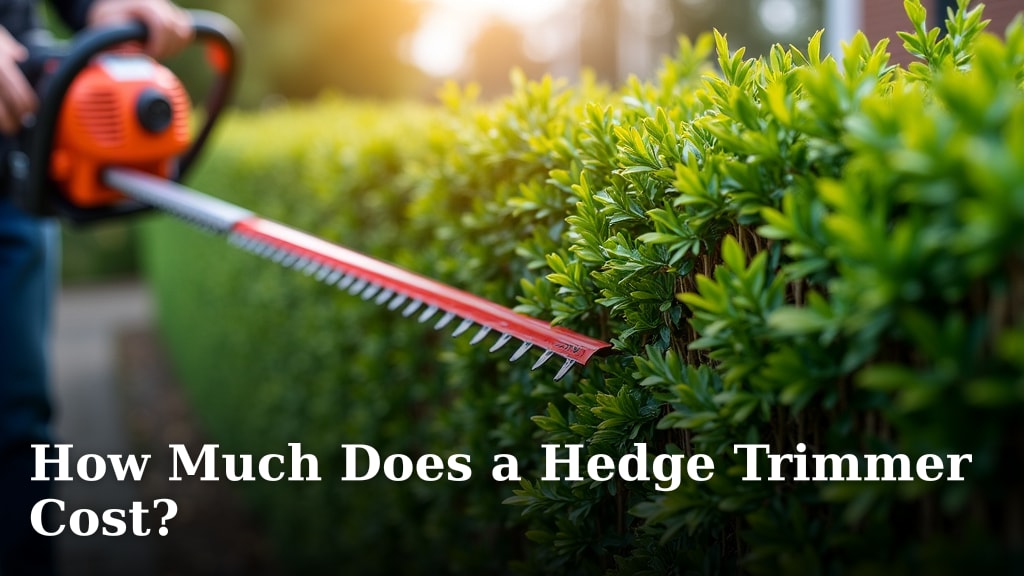
The cost of a hedge trimmer can range from $40 for basic electric models to over $300 for high-end gas-powered ones. You’ll find that the price depends on the type of trimmer, its power source, brand, and features. Getting the right one for your yard doesn’t have to break the bank.
We found that your needs greatly influence the price you’ll pay. A small yard might only need a lightweight electric trimmer, which is very affordable. For larger, overgrown hedges, you might consider a more powerful, and thus more expensive, gas or battery-powered model. Think about the size of your hedges and how often you’ll be trimming.
- Basic electric hedge trimmers cost around $40-$100.
- Battery-powered models are typically $100-$250.
- Gas hedge trimmers can range from $150 to over $300.
- Features like rotating handles and longer blades increase cost.
- Consider your yard size and hedge type for the best value.
Let’s walk through the different types of hedge trimmers and what factors affect their price, so you can make an informed choice for your garden. If you have dense hedges, our guide to the best hedge trimmer for thick hedges can help you choose.
What’s the Price Tag on a Hedge Trimmer?
You’re likely wondering about the actual cost of a hedge trimmer. We’ve looked into it, and the price can really swing. You might find a simple electric model for as little as $40. On the other hand, a top-tier gas-powered beast could set you back over $300. Several things affect this number, including the type, power source, brand name, and any special features it boasts. Getting the right tool for your garden doesn’t have to empty your wallet.
Understanding Hedge Trimmer Types and Costs
Electric Hedge Trimmers: The Budget-Friendly Pick
Electric hedge trimmers are often your most affordable option. They’re great for smaller yards and lighter jobs. These models plug into an outlet, meaning you’re tethered by a cord. This limits your range, but it also means you don’t have to worry about batteries dying or refueling. We found that basic corded electric trimmers typically range from $40 to $100. They are usually lighter, making them easier to handle for longer periods.
Corded Electric: Simple and Affordable
For trimming smaller shrubs or shaping hedges that aren’t too dense, a corded electric trimmer is a solid choice. The main drawback is the cord. You need to be mindful of where it is to avoid cutting it. Many users find this manageable for smaller garden areas. Brands like Greenworks and Sun Joe offer reliable corded models in this price bracket.
Cordless Electric (Battery-Powered): Freedom with a Price Tag
Battery-powered hedge trimmers offer more freedom. You’re not tied to an outlet, so you can move around your yard with ease. This convenience comes at a higher cost. We found that these models generally fall between $100 and $250. The price often depends on the battery’s voltage and capacity. Higher voltage usually means more power, and a larger amp-hour (Ah) rating means longer run time.
Consider brands like EGO, Ryobi, and DeWalt in this category. Many of these systems offer interchangeable batteries that can power other tools in their product line. This can be a great way to save money if you’re building a collection of cordless yard tools. Remember to factor in the cost of extra batteries if you have a large yard or need to trim for extended periods. A single battery might only last 30-60 minutes, depending on the model and workload.
Gas Hedge Trimmers: Power for Tough Jobs
When you have large, overgrown hedges or dense, woody branches, a gas-powered hedge trimmer is often the way to go. These machines pack a punch and offer excellent power and portability. They are generally the most expensive type. We found that gas hedge trimmers typically range from $150 to well over $300. The higher end of this spectrum is for professional-grade models.
The main advantages of gas trimmers are their raw power and the ability to run indefinitely as long as you have fuel. There’s no cord to manage and no battery to recharge. However, they are also typically heavier and louder than electric models. They require more maintenance, like mixing fuel and oil, and changing spark plugs. Brands like Husqvarna, Stihl, and Troy-Bilt are well-regarded in the gas-powered trimmer market.
Two-Stroke vs. Four-Stroke Engines
Most gas hedge trimmers use either a two-stroke or a four-stroke engine. Two-stroke engines are lighter and simpler, but they require you to mix oil and gas. Four-stroke engines are heavier and more complex, but they run cleaner and don’t require oil to be mixed with the fuel. Many experts suggest that four-stroke engines are often more fuel-efficient and produce fewer emissions (EPA).
The engine size, measured in cubic centimeters (cc), also affects the price and performance. Larger engines offer more power for tackling tough jobs. If you’re dealing with thick bushes, look for a model with at least a 20cc engine.
Factors That Influence Hedge Trimmer Prices
Blade Length and Type
The length of the trimmer’s blades plays a significant role in its price and what it’s best suited for. Shorter blades, typically 16-18 inches, are good for detailed work and smaller hedges. They are usually found on more affordable, lighter-duty models. Longer blades, 20 inches or more, allow you to trim wider hedges in fewer passes. These are often found on more powerful, and thus more expensive, trimmers.
The type of blade can also impact cost. Dual-action blades cut from both sides, providing a smoother finish and reducing vibration. These are often preferred by serious gardeners and are usually on mid-range to high-end models. Single-action blades only cut from one side.
Power and Performance Metrics
For electric trimmers, voltage is a key indicator of power. A 20-volt system will be less powerful than a 40-volt or 80-volt system. We found that higher voltage often correlates with a higher price. For gas trimmers, engine displacement (cc) is the primary measure of power. A larger engine generally means more cutting power but also more weight and fuel consumption.
Brand Reputation and Durability
Just like with cars or electronics, some brands carry a premium. Well-known manufacturers often invest more in research, development, and quality control. This can result in a higher price tag but often translates to better durability and performance. You might pay a bit more for a brand like Stihl or Husqvarna, but many users report they last for years.
Cheaper, off-brand models might seem appealing, but they can sometimes be less reliable. We’ve seen many instances where the initial savings are offset by shorter lifespans or poorer cutting performance. For frequent use or demanding jobs, investing in a reputable brand is often a wise choice.
Extra Features and Ergonomics
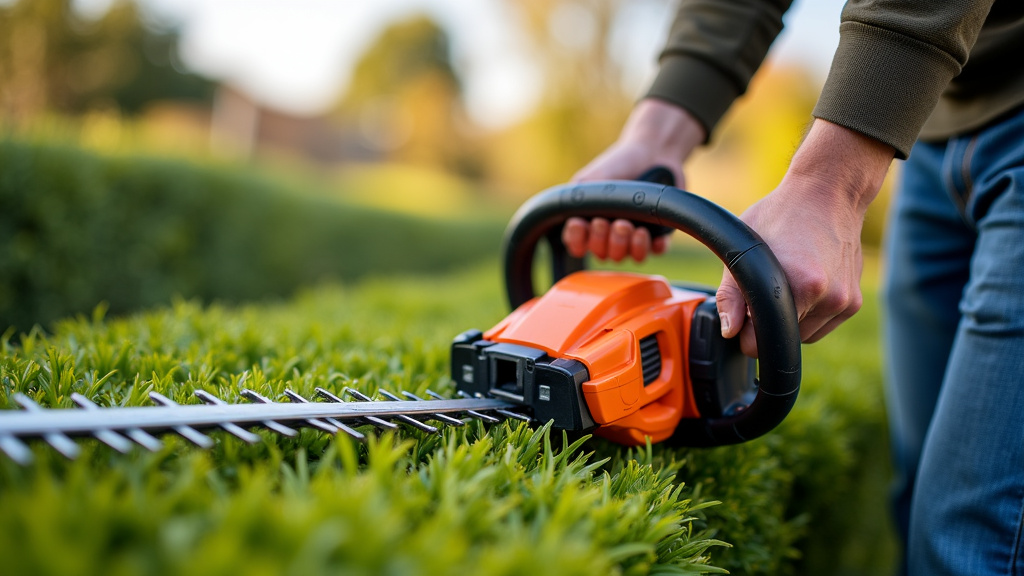
Certain features can add to the overall cost. A rotating rear handle, for example, allows you to change your grip for different angles, making trimming sidewalls and tops easier. This is a feature found on many higher-end models. Some trimmers also come with a carrying case, extended warranties, or advanced safety features, all of which can influence the price.
Ergonomic design also plays a role. Trimmers with comfortable grips, good weight distribution, and vibration reduction technology can cost more. These features can make a big difference in your comfort, especially during longer trimming sessions. Think about how long you’ll be holding and maneuvering the trimmer.
A Quick Price Comparison Table
To help you visualize the cost differences, here’s a general price breakdown:
| Hedge Trimmer Type | Typical Price Range (USD) | Best For |
|---|---|---|
| Corded Electric | $40 – $100 | Small yards, light trimming, detailed work |
| Cordless Electric (Battery) | $100 – $250 | Medium yards, freedom of movement, general trimming |
| Gas Powered | $150 – $300+ | Large yards, dense hedges, heavy-duty trimming |
Making Your Final Purchase Decision
When you’re ready to buy, consider these points:
- Assess the size of your yard and the types of hedges you have.
- Think about how often you’ll use the trimmer.
- Decide if you prefer the convenience of cordless or the power of gas.
- Read reviews to see what real users say about durability and performance.
- Don’t forget to factor in the cost of accessories like extension cords or extra batteries.
- Set a realistic budget based on your needs and the trimmer types discussed.
Conclusion
You’ve learned that hedge trimmer costs vary widely, from around $40 for basic electric models to over $300 for powerful gas ones. Your ideal trimmer depends on your yard’s size and your hedges’ density. We found that considering factors like power source, blade length, brand, and extra features will help you find the best fit for your budget and needs. Now, take a moment to assess your trimming tasks and set a realistic budget. You’re ready to confidently choose the perfect hedge trimmer for your garden.
Frequently Asked Questions
What’s the cheapest type of hedge trimmer you can buy?
The most budget-friendly hedge trimmers are typically corded electric models. We found these often start around $40. They are great for small yards and light trimming jobs where a power cord won’t be an issue.
Do battery-powered hedge trimmers require extra battery purchases?
Often, yes. While some models come with a battery and charger, larger yards or longer trimming sessions might need an extra battery. We’ve seen that higher voltage and amp-hour batteries can significantly extend run time but also increase the overall cost.
How much more do gas hedge trimmers usually cost than electric ones?
Gas hedge trimmers are generally more expensive, typically starting around $150 and going up from there. You’ll often pay over $300 for high-performance gas models, whereas basic electric trimmers can be found for under $100.
Are more expensive hedge trimmers always more durable?
While not always a guarantee, higher-priced models from reputable brands often use better materials and have stronger construction. We’ve found that investing a bit more in a trusted brand can lead to longer-lasting performance and fewer issues down the line.
Can rotating handles on a hedge trimmer justify a higher price?
Yes, features like rotating handles can increase the cost. We found these are often on mid-range to premium models and add significant ergonomic benefits. They allow for more comfortable and precise trimming at various angles, which many users find worth the extra investment.
