
How Often Should You Replace String Trimmer Line?
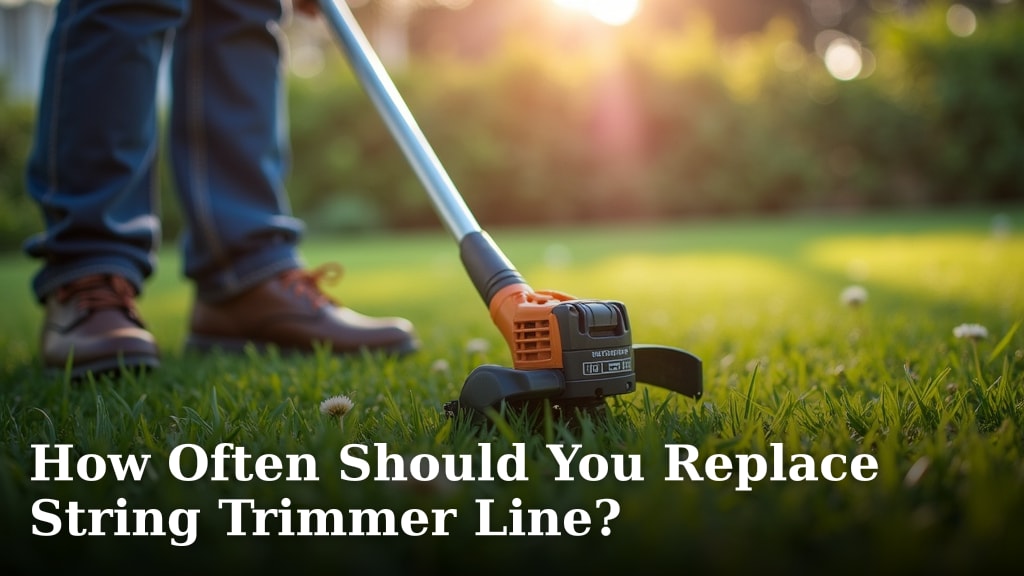
You should replace your string trimmer line whenever it runs out or becomes too short to effectively cut grass and weeds. This typically means you’ll need to do it after every few uses, depending on the length of line you started with and how aggressively you trim. Keeping a spare spool or pre-cut lengths handy ensures you can get back to your yard work quickly.
The life of your trimmer line isn’t just about how much you use it. Factors like the type of line and the thickness of the vegetation you’re tackling play a big role. Thicker lines are generally more durable. We found that using the correct line for the job can really extend how long it lasts between replacements, saving you time and frustration.
- Replace line when it runs out or gets too short.
- Frequency depends on usage and line thickness.
- Keep spare line readily available.
- Use the right line for your trimmer and yard.
- Check your trimmer’s manual for specific recommendations.
Let’s get into the specifics of how often you really need to swap out that trimmer line and what makes it last longer.
Understanding Your String Trimmer Line Replenishment Cycle
So, how often do you need to be thinking about swapping out that spool of trimmer line? The short answer is: **whenever your trimmer starts to struggle**. This usually happens when the line becomes too short to effectively cut grass and weeds.
Many factors influence this frequency. Your trimming habits are a big one. Are you tackling thick brush or just light grass? We found that more aggressive trimming means you’ll go through line faster. Think of it like wearing down a pencil; the more you use it, the shorter it gets.
It’s not a one-size-fits-all answer. Some of you might need to replace line after every couple of uses. Others might get through a whole weekend of yard work without a second thought. We’ll break down why this difference exists and how you can optimize your trimmer line’s lifespan.
Factors Affecting Trimmer Line Longevity
Your trimmer line isn’t just a simple string. Its durability and how quickly it wears down depend on several key elements. Understanding these can help you make smarter choices and avoid frequent stops.
The Type and Thickness of Your Trimmer Line
Did you know there are different kinds of trimmer line out there? Yes, and they perform differently! We found that the material and thickness are major players in how long your line lasts.
Line Material
Most trimmer lines are made from nylon. However, some contain additives or are co-extruded with different materials. These variations can affect the line’s strength and flexibility. For example, some lines are designed to be more heat-resistant, which can be helpful if your trimmer head gets warm during use. We observed that higher-quality nylon blends tend to be more resilient.
Line Diameter (Thickness)
This is a big one! Thicker lines are generally more durable than thinner ones. A 0.080-inch line will typically last longer than a 0.065-inch line under the same conditions. However, thicker lines can also be heavier and put more strain on your trimmer’s motor. You need to find the right balance for your specific trimmer model.
We found that using the manufacturer’s recommended line diameter is usually the best bet. Over- or under-sizing can lead to performance issues or premature wear. Check your trimmer’s manual; it’s a small step that makes a big difference.
The Vegetation You’re Trimming
What are you actually cutting with your trimmer? This makes a huge difference in how fast your line disappears. Taming a lawn is one thing; battling thick weeds or small branches is another.
Cutting through soft grass is pretty easy on your line. It slices through with minimal effort. But when you hit tougher stuff, like dried-out weeds, tall fescue, or woody stems, your line takes a beating. We found that repeated contact with dense vegetation can fray, snap, or wear down the line much quicker.
Some lines are specifically designed for heavy-duty tasks. They might be thicker or made with a more robust material. If you consistently trim tough areas, investing in a heavy-duty line could save you time and frustration. It’s like using the right tool for the job – a butter knife won’t cut through a steak, and flimsy trimmer line won’t handle tough brush well.
Trimming Technique and Usage Habits
How you use your trimmer also impacts line life. Are you just sweeping the line across the grass, or are you digging it into the ground or hitting hard objects?
We found that dragging the trimmer head along the ground or against hard surfaces like concrete or rocks will quickly wear down your line. It’s similar to rubbing sandpaper on wood; constant friction wears it away. Try to keep the trimmer head at an appropriate height, just above the ground.
Also, consider the speed at which you’re trimming. Rushing can lead to more aggressive contact with obstacles. Taking your time and using a steady, sweeping motion generally conserves line better. It might feel slower, but you’ll likely spend less time replacing line.
When is it Time to Replace Your Trimmer Line?
You’re out there, trimming away, and suddenly… nothing. Your trimmer is spinning, but it’s not cutting effectively. What’s going on?
This is the classic sign that your line is either gone or too short. Most automatic or semi-automatic trimmer heads feed out new line when you tap the head on the ground or when the engine speed changes. If the line is too short, the trimmer head can’t grab enough to feed it out. You’re essentially running on empty. If your trimmer isn’t feeding line, it’s often because the line is too short.
Visible Signs of Wear and Tear
Before you reach the “nothing is happening” stage, there are often visual cues. You might notice the line looks frayed or worn down. If you can see that the line is significantly shorter than when you started, it’s probably time for a change.
Sometimes, the line can get worn down unevenly. This can cause the trimmer to vibrate more than usual. If you notice excessive shaking, it’s a good indicator that your line might be compromised and needs replacing soon. We found that consistent, even wear is better than patchy, rapid degradation.
Performance Degradation
The most obvious indicator is a drop in cutting performance. The grass isn’t getting cut cleanly, or weeds are being bent over instead of severed. Your trimmer is designed to cut efficiently with a certain length of line.
When the line gets too short, it lacks the momentum and reach to make clean cuts. It might even start to sound like your trimmer is working harder than it should. This is your cue to stop and check the line.
Think about it this way: If you’re trying to throw a ball, you need a good grip and enough leverage to get it where you want it to go. Short trimmer line is like trying to throw a ball with only your fingertips. It just doesn’t work as well!
How to Keep Your Trimmer Line Ready to Go
Nobody likes being interrupted mid-job. Having a plan for your trimmer line can save you a lot of hassle. The key is to be prepared before you even start.
Store Spare Line Properly
Did you know that trimmer line can degrade over time, especially if stored improperly? Heat, moisture, and UV light can make it brittle. We found that storing your spare line in a cool, dry place, away from direct sunlight, is essential.
Many people keep a spool of line in their garage or shed. Ensure it’s not exposed to extreme temperatures. Some manufacturers even sell line in sealed bags to protect it. If you buy line in bulk, consider dividing it into smaller, resealable bags.
Pre-Cut Lengths for Easy Swapping
For some trimmer models, manually feeding new line can be a bit fiddly. A great tip we found useful is to pre-cut lengths of line. Measure the length recommended for your trimmer head and cut a few pieces. You can store these in a small container or even your pocket.
When it’s time to replace, you can quickly pull out the old line and insert the new, pre-cut pieces. This can significantly speed up the process. It’s like having extra batteries for your remote control – you’re ready for the inevitable power-down.
Consider a String Trimmer Line Feeder System
For those who trim extensively, some advanced trimmer heads offer automatic line feeding systems. These systems can dispense line as it’s used, maintaining optimal cutting length. While this adds complexity to the trimmer head itself, it can reduce the frequency of manual line replacement.
We found that these systems, while effective, do require their own maintenance. You still need to ensure the feeder mechanism is clean and functioning correctly. However, for heavy users, the convenience factor can be very appealing.
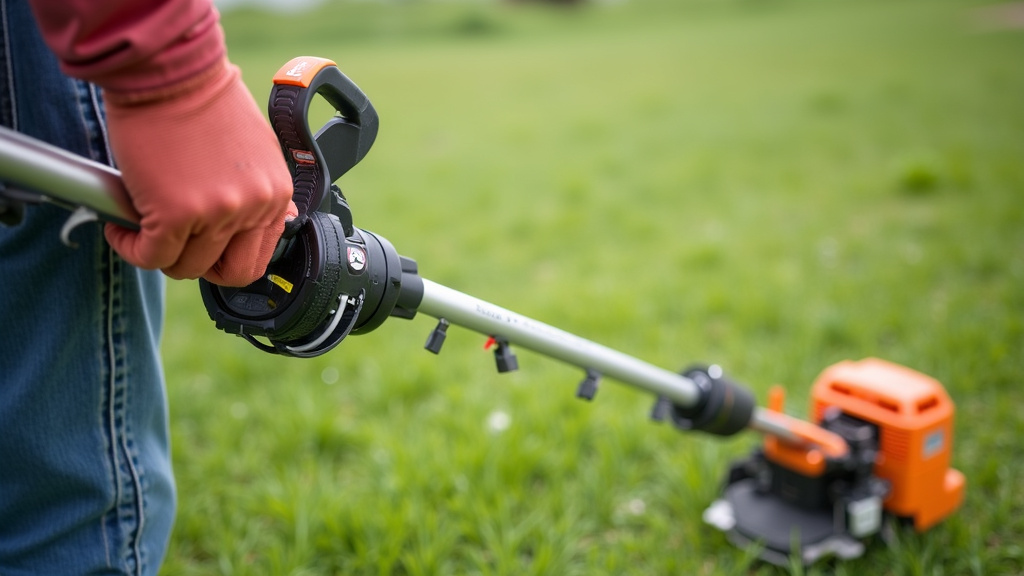
Choosing the Right Trimmer Line for Your Needs
As we’ve touched upon, not all trimmer lines are created equal. Making an informed choice about the line you use can impact its lifespan and your trimmer’s performance.
First and foremost, consult your trimmer’s owner’s manual. It will specify the recommended line diameter. Using a diameter that’s too large can strain your trimmer’s motor and potentially cause damage. Too small, and it will wear out far too quickly.
Think about the types of jobs you do most often. For general lawn maintenance, a standard round or square line might suffice. If you regularly tackle dense weeds or thicker brush, consider a more robust line. Some lines are engineered with multi-layer designs or reinforced cores for increased durability.
We found that experimenting with different reputable brands and types of line can help you discover what works best for your specific equipment and yard. Some lines are marketed as “low noise” or “high impact,” which relate to their design and intended use. Keep a small notepad to track which lines perform best for you.
A Quick Checklist for Trimmer Line Maintenance
Keeping your trimmer in top shape means paying attention to the details, and the line is a big one. Here’s a handy list to ensure you’re always prepared:
- Check Line Length: Before starting, eyeball your line. Is it looking short?
- Inspect for Fraying: See any wisps or fraying? Time for a change.
- Store Spare Line Smartly: Keep extra line in a cool, dry place away from sunlight.
- Use Recommended Diameter: Always use the line size your trimmer manual suggests.
- Trim Safely: Avoid hitting hard surfaces to prevent premature wear.
- Listen to Your Trimmer: Unusual sounds or vibrations can signal worn-out line.
Conclusion
Replacing your string trimmer line is a routine task that keeps your yard looking sharp. Remember, the frequency depends on how you trim, the type of line you use, and the vegetation you’re cutting. By choosing the right line diameter and thickness for your trimmer and being mindful of how you handle the tool, you can extend its life. Always store your spare line properly in a cool, dry place. Keeping pre-cut lengths handy or considering an automatic feed system can save you time. Now you’re equipped to tackle your yard work with confidence and fewer interruptions!
Frequently Asked Questions
How do I know if my string trimmer line is too short?
Your trimmer will likely start cutting poorly or not cutting at all. The trimmer head might spin but fail to sever grass or weeds effectively. If your trimmer’s auto-feed mechanism stops working, it’s a strong sign the line is too short.
Can I use any thickness of string trimmer line?
No, it’s best to use the diameter recommended in your trimmer’s owner’s manual. Using line that is too thick can strain your trimmer’s motor and potentially damage it. Line that is too thin will wear out much faster.
Will hitting hard objects break my trimmer line faster?
Yes, hitting hard surfaces like concrete, rocks, or fences will wear down your trimmer line very quickly. It’s like dragging sandpaper on the line. Try to avoid contact with these hard objects to make your line last longer.
How should I store extra string trimmer line?
You should store your spare line in a cool, dry place away from direct sunlight and extreme temperatures. Heat, moisture, and UV light can make the line brittle over time, reducing its effectiveness.
What’s the best type of string trimmer line for tough weeds?
For tough weeds and thicker vegetation, a thicker line or a line made from a more durable material is generally better. Look for lines specifically advertised as heavy-duty or designed for demanding tasks.
