
How To Install Grass Catcher On Troy-Bilt Lawn Mower?
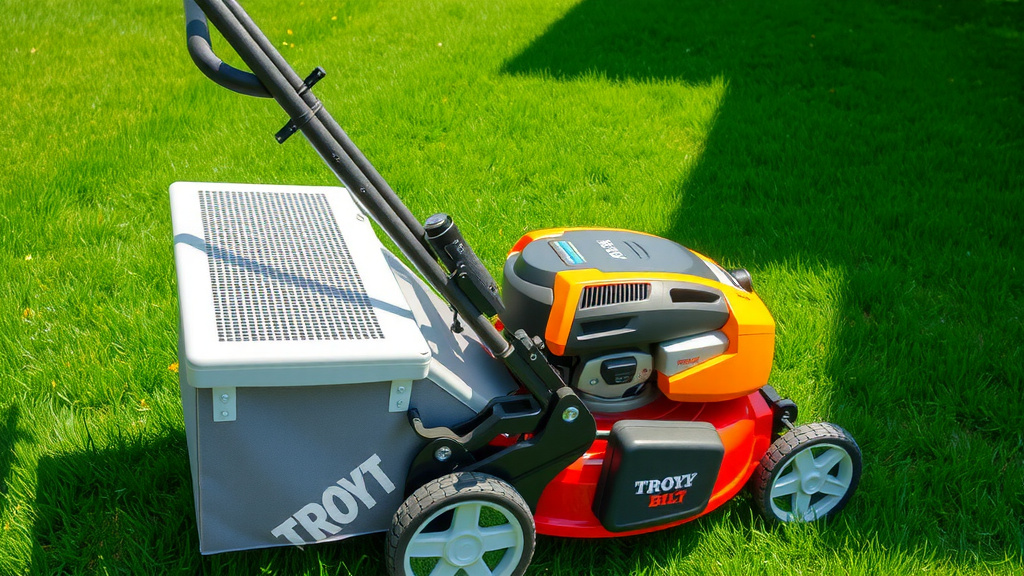
To install a grass catcher on your Troy-Bilt lawn mower, begin by lifting the discharge chute cover on the side of the mower deck. Then, simply slide the grass catcher’s bagging chute securely into the opening, ensuring it locks firmly into place.
Next, attach the collection bags to the catcher frame if they are separate, and then connect the entire assembly to the mower’s rear mounting brackets. A proper installation ensures efficient grass collection and a cleaner lawn.
- You will first lift the discharge chute cover on your mower.
- Slide the grass catcher’s bagging chute into this opening.
- Assemble the grass bags onto their frame if they are separate.
- Connect the assembled catcher to the mower’s rear brackets.
- Always perform a quick check to ensure everything is secure before mowing.
How To Install Grass Catcher On Troy-Bilt Lawn Mower?
Installing a grass catcher on your Troy-Bilt lawn mower is quite straightforward. You will lift the side discharge chute cover, then connect the bagging chute into that opening.
After that, you’ll attach the grass bags to their frame, if necessary, and finally secure the whole catcher assembly to the rear of your mower.
Why Even Bother with a Grass Catcher?
Have you ever finished mowing only to find your lawn covered in clippings? That’s where a grass catcher steps in. It keeps your lawn looking neat and tidy, much like a vacuum cleaner for your yard.
Many homeowners prefer bagging because it prevents clippings from smothering new grass (University of California Agriculture and Natural Resources). It also helps reduce the spread of weeds if your lawn has any seed heads.
Gathering Your Gear: What You’ll Need
Before you start, let’s make sure you have everything ready. Think of it like a chef prepping their ingredients before cooking. Having all your tools nearby makes the job a breeze.
- Your Troy-Bilt lawn mower.
- The Troy-Bilt grass catcher assembly (bags and frame).
- Work gloves for hand protection.
- A soft cloth for quick cleaning, if needed.
- Your owner’s manual (just in case!).
Safety First, Always!
Before touching anything on your mower, safety is paramount. We always want to keep you and your equipment safe. Think of it as putting on your seatbelt before driving.
Many experts advise always disconnecting the spark plug wire. This prevents accidental starting of the engine while you’re working on it (Outdoor Power Equipment Institute).
Pre-Installation Prep: A Quick Check
Before the main event, a little preparation goes a long way. Make sure your mower is turned off and the engine is cool. A hot engine can be a burn risk.
Take a moment to quickly inspect the discharge chute area. Is it clear of debris? A clean start often means a smoother installation.
Locating the Discharge Chute
Your Troy-Bilt mower has a side discharge chute. This is typically a hinged cover located on the right side of the mower deck when you are standing behind the handle. It’s where the cut grass usually exits.
You’ll need to lift this cover to access the opening. It usually has a spring that holds it down, so it will spring back if you let go. Just hold it up for now.
Step-by-Step Installation Guide
Alright, let’s get this grass catcher on your Troy-Bilt mower! We will go through each part of the process carefully, step by step, so you feel confident.
It’s like building with LEGOs; one piece connects to the next until you have a complete system. You’ve got this!
Opening the Discharge Door
Gently lift the side discharge chute cover on your mower. You might need to hold it open with one hand. This door creates the opening where the grass collector attaches.
The spring mechanism on the door is designed to keep it shut during normal side discharge, so it will offer some resistance. Hold it firmly to keep it open.
Attaching the Bagging Chute
Now, take the bagging chute part of your grass catcher. This is the plastic or metal tunnel that connects the mower deck to the collection bags. Slide it into the opening you just created.
It should fit snugly. Sometimes it clicks into place, or you might feel it lock securely. We found that a good wiggle test often confirms it’s on correctly.
Assembling the Grass Catcher Bags
Many Troy-Bilt grass catchers come with a separate bag and a frame. If yours does, assemble these first. The bag usually slips over the wire or plastic frame.
Ensure the bag’s opening aligns with where it will connect to the bagging chute. Think of it like putting a pillowcase on a pillow; it needs to fit just right.
Securing the Catcher Assembly
With the bagging chute attached, you can now connect the grass bag assembly. Look for mounting brackets, usually at the rear of your mower’s deck or frame.
The catcher frame will have corresponding hooks or slots that slide onto these brackets. Push down firmly until it feels secure. You should hear a slight click sometimes.
A Final Wiggle Test
Once everything seems connected, give the entire grass catcher assembly a gentle wiggle. Does it feel stable? Does it move around too much?
A secure attachment means less chance of the catcher falling off during mowing. It’s like checking if your shoelaces are tied before a run.
Troubleshooting Common Catcher Woes
Even with the best instructions, sometimes little things pop up. Don’t worry, these are usually quick fixes. We’ve all been there!
A little patience and a quick check can often solve most problems, getting you back to a beautifully manicured lawn.
Bag Not Filling?
If your bag isn’t filling, first check for clogs in the bagging chute. Wet grass or excessively long grass can cause blockages. Also, ensure your mower blades are sharp.
Dull blades tend to tear grass instead of cutting it cleanly, which can affect the vacuum action needed to push clippings into the bag.
Catcher Falling Off?
If your catcher keeps detaching, double-check that the bagging chute is fully seated in the discharge opening. Also, ensure the catcher frame is properly hooked onto the mower’s mounting brackets.
Sometimes, the brackets might be slightly bent, or the spring on the discharge chute cover isn’t holding it tightly enough. A quick inspection often reveals the issue.
Uneven Cuts?
An uneven cut usually isn’t directly related to the grass catcher. It often points to dull blades or an uneven deck height. However, if your catcher is excessively heavy with wet grass, it *could* slightly alter the mower’s balance.
Check your blade sharpness first. If the problem persists, ensure your mower deck wheels are set at the same height on all sides.
Maintaining Your Grass Catcher for Longevity
Just like any tool, your grass catcher needs a little love to last. Regular cleaning and proper storage will keep it in top shape for years to come. Think of it as protecting your investment.
A well-maintained catcher works more efficiently and prevents potential problems down the line. It’s a small effort for a big reward.
After each use, empty the bag and shake out any clinging grass. If you mowed wet grass, let the bag air dry completely to prevent mildew. Periodically, you might want to rinse the bag and chute with water.
Make sure the plastic chute is free of debris. Store the catcher in a dry place, away from direct sunlight, to prolong the life of the fabric and plastic components. This prevents the plastic from becoming brittle over time.
Bagging vs. Mulching: When to Use Which?
Sometimes you bag, sometimes you mulch. Which choice is best? It often depends on the season and your lawn’s needs. Here’s a quick look:
| Scenario | Bagging is Best When… | Mulching is Best When… |
|---|---|---|
| Grass Length | Grass is very long or overgrown. | Grass is cut regularly (1/3 rule). |
| Weed Control | You have active weeds or diseases. | No active weeds/diseases; clippings add nutrients. |
| Lawn Appearance | You want a pristine, completely clean look. | You want to return nutrients to the soil naturally. |
| Clipping Disposal | You need to dispose of clippings (e.g., compost). | You want clippings to decompose on the lawn. |
| Time/Effort | Requires emptying the bag often. | No bag emptying; less interruption. |
Many lawn care experts suggest mulching when possible to recycle nutrients back into the soil (Michigan State University Extension). However, bagging is a great option for heavier cuts.
Here’s a quick checklist to ensure your installation went smoothly:
- Spark plug wire is reconnected securely.
- Discharge chute cover fully lifts and allows the bagging chute to sit properly.
- Bagging chute is firmly attached to the mower deck opening.
- Grass bags are assembled correctly onto their frame.
- Entire catcher assembly is securely latched to the mower’s rear brackets.
- The catcher feels stable when gently wiggled.
- You have done a final visual check for any loose parts.
Conclusion
Installing a grass catcher on your Troy-Bilt lawn mower is a straightforward task that offers great rewards. A clean lawn, easier clipping management, and preventing the spread of weeds are just some of the perks. Remember to prioritize safety by disconnecting the spark plug, and always ensure every component is securely attached.
By following these steps, you’ll be able to enjoy a tidier yard with minimal fuss. Your Troy-Bilt mower, now equipped with its catcher, is ready to help you maintain a beautiful lawn effortlessly. Happy mowing!
How do I know if my Troy-Bilt mower is bagging-ready?
Most modern Troy-Bilt lawn mowers are designed to be bagging-ready and often come with a grass catcher included or available as an accessory. You can usually tell by the presence of a side discharge chute and mounting brackets at the rear of the mower deck, which are designed to accept a grass catcher assembly. Always check your mower’s owner’s manual or the product specifications for confirmation.
Can I use a grass catcher from a different brand on my Troy-Bilt mower?
While some universal grass catchers exist, it’s generally best to use a grass catcher specifically designed for Troy-Bilt mowers or one explicitly stated to be compatible with your model. Fit is crucial for efficient operation and safety. Non-compatible catchers might not attach securely, leading to clippings escaping or the catcher falling off during use.
What if my grass catcher bag gets torn or damaged?
If your grass catcher bag gets torn or damaged, it’s important to replace it. A damaged bag won’t collect grass effectively and can allow clippings to scatter. You can typically find replacement bags through Troy-Bilt authorized dealers or online parts retailers. Ensure you purchase the correct replacement part for your specific grass catcher model.
How often should I empty the grass catcher?
You should empty your grass catcher whenever it becomes full or heavy. Mowing with an overfilled bag can reduce the mower’s cutting efficiency, put extra strain on the engine, and potentially cause clogs in the bagging chute. A good practice is to empty it every few passes, especially if the grass is long or wet.
Does using a grass catcher affect the mower’s performance?
Using a grass catcher can slightly increase the overall weight of the mower, which might require a bit more effort to push if you have a walk-behind model. Additionally, the mower’s engine works a bit harder to create the suction needed to pull clippings into the bag, which can slightly increase fuel consumption. However, for a well-maintained mower, these effects are generally minor and outweighed by the benefits of a clean lawn.
