
How To Grow A Lawn Mowing Business?
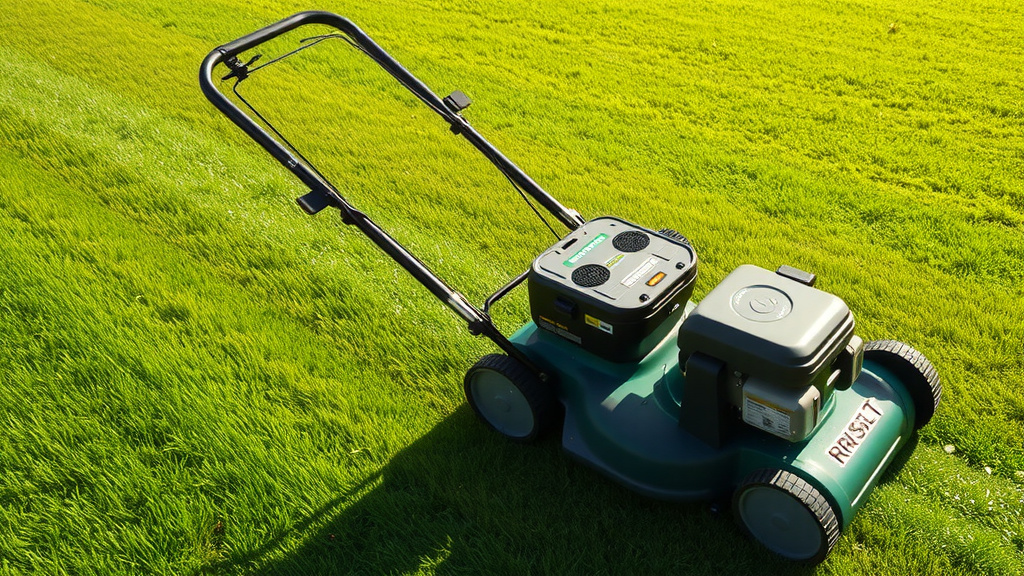
To grow a lawn mowing business, start by securing basic equipment and obtaining necessary licenses and insurance. Focus on delivering excellent service to your initial customers, then gradually expand through local marketing and by adding more services like fertilization or cleanup.
Building a thriving lawn mowing business involves careful planning, consistent hard work, and smart customer engagement strategies. You need to build a strong reputation to achieve steady expansion and maintain profitability.
Here’s a quick summary of what you’ll find to help you grow your lawn mowing business:
- Getting your business set up legally and with the right tools.
- Figuring out fair prices for your services.
- Smart ways to find your first few customers.
- How to keep customers happy so they tell others about you.
- Ideas for adding more services and growing your team.
- Tips for handling your money and time efficiently.
How To Grow A Lawn Mowing Business?
Growing a lawn mowing business involves a mix of smart planning and hard work. You’ll need to focus on building a strong client base and maintaining high service quality to see consistent expansion.
Laying the Groundwork for Growth
Every successful business starts with a solid foundation. Think of it like preparing the soil before planting seeds. You want everything in place to help your business flourish.
Essential Equipment: What You Need
Before you mow a single blade of grass, you need the right tools. Good equipment helps you work faster and more safely. We found that reliable mowers and trimmers are your most important investments.
What kind of mower do you need? A professional-grade zero-turn mower can greatly increase efficiency for larger yards. For smaller properties, a walk-behind mower might be enough to start. Don’t forget leaf blowers, edgers, and safety gear like gloves and eye protection.
Legalities and Protection (Insurance & Licensing)
Running a business means being prepared. Are you protected if something goes wrong? Many experts say general liability insurance is a must-have for lawn care businesses (Small Business Administration). This covers you if you accidentally damage a client’s property.
Check your local city and state for any required business licenses. Operating legally gives your customers peace of mind. It also protects you from unnecessary fines or issues down the road.
Setting Your Prices Right
How much should you charge for your services? This is a question every new business owner asks. You want your prices to be competitive but also cover your costs and allow for profit.
Research what other lawn care businesses charge in your area. Consider your operating costs, like gas, equipment maintenance, and your time. Many professionals suggest offering different pricing tiers for various services or yard sizes.
Attracting and Keeping Customers
Once your foundation is set, it’s time to find people who need their lawns mowed. But finding customers is only half the battle; keeping them happy is how you truly grow.
Local Buzz: Marketing Your Services
Your first customers will likely be close to home. How do you reach them? Consider printing flyers and leaving them at local community centers or on bulletin boards. A simple vehicle magnet with your business name and phone number is also a moving advertisement.
Online, create a free Google Business Profile. This helps people find you when they search for “lawn mowing near me.” Many successful businesses start with strong local marketing efforts.
The Power of Referrals
Happy customers are your best advertisers. When someone is pleased with your work, they often tell their friends and family. Why not encourage this?
Consider offering a small discount or bonus for clients who refer new business. It’s a win-win: they get a reward, and you get a new customer. We found that word-of-mouth recommendations are a very effective growth tool (Forbes).
Consistently High-Quality Work
This might seem obvious, but it’s worth stating. Doing an excellent job every single time builds trust and reputation. You want every lawn to look pristine after you’re done with it.
Pay attention to the small details. Are the edges neat? Is all the grass clippings cleared away? Think of yourself as a landscaper with a keen eye. Satisfied customers are much more likely to become repeat clients and loyal advocates for your business.
Scaling Up Your Operations
You’ve got a good base of clients, and now you’re busy. What’s next? It might be time to think bigger and offer more.
Broadening Your Service Menu
Mowing is a great start, but many clients need more. Adding services can increase your revenue per customer. Do you offer lawn fertilization, hedge trimming, or seasonal yard cleanups?
Here’s a look at common services you might add:
| Service Type | Description | Why Add It? |
|---|---|---|
| Fertilization | Applying nutrients to help grass grow healthy. | Recurring income, enhances lawn quality. |
| Weed Control | Spraying to prevent or remove unwanted plants. | Improves lawn appearance, year-round need. |
| Bush/Hedge Trimming | Shaping and maintaining shrubs. | Adds value, requires specific skills. |
| Spring/Fall Cleanup | Removing leaves, debris, preparing beds. | Seasonal demand, larger projects. |
When to Hire Extra Hands
You can only do so much by yourself. If you find yourself turning down jobs or constantly feeling overwhelmed, it might be time to hire help. Bringing on your first employee is a big step. It means you are truly growing.
Start small, maybe with a part-time helper. Look for someone reliable and eager to learn. Remember, they represent your business, so good training is essential.
Smart Business Management
Growing your business isn’t just about mowing more lawns. It’s also about managing your resources wisely. Good management keeps you profitable and stress-free.
Keeping Track of Your Money
Understanding your finances is critical. You need to know how much money is coming in and where it’s going. Simple accounting software or even a spreadsheet can make a big difference.
Track your expenses for gas, equipment, and repairs. Monitor your income from each client. Knowing your numbers helps you make smart decisions. Many small business organizations, like the Small Business Administration, offer resources for financial tracking.
Scheduling for Efficiency
Time is money, especially in a service business. Planning your routes and daily schedule can save you hours each week. Grouping clients in the same neighborhood is a simple way to cut down on travel time and fuel costs.
Here’s a quick checklist for efficient scheduling:
- Plan routes logically to minimize drive time.
- Group appointments geographically.
- Use scheduling software or apps.
- Account for travel and setup time between jobs.
- Build in a small buffer for unexpected delays.
Conclusion
Growing a lawn mowing business is a journey that requires patience and dedication. By building a strong foundation, attracting and retaining customers with excellent service, expanding your offerings, and managing your operations wisely, you can achieve significant success. Remember, every lush lawn you create is a step toward a thriving business. Your hard work and commitment will certainly pay off.
What are the typical start-up costs for a lawn mowing business?
Start-up costs for a lawn mowing business can vary, but generally include commercial-grade mowers, trimmers, edgers, leaf blowers, and a trailer or truck. You’ll also need to factor in initial expenses for business licenses, insurance, and some basic marketing materials.
How can I differentiate my lawn mowing business from competitors?
You can differentiate your business by offering specialized services, like organic lawn care or advanced landscaping. Providing exceptional customer service, being consistently reliable, and having a unique brand or appearance can also help you stand out. Some businesses focus on niche markets, such as commercial properties or luxury residential areas.
Should I offer annual contracts or one-time services?
Many experts suggest offering both annual contracts and one-time services. Annual contracts provide a steady income stream and help with long-term scheduling. One-time services, like spring cleanups or emergency mowing, can attract new customers and fill gaps in your schedule. Offering a mix helps cater to different client needs.
What are the most effective ways to advertise a lawn mowing business?
Effective advertising for a lawn mowing business often involves a mix of strategies. Local methods like yard signs, vehicle wraps, and flyers in target neighborhoods work well. Online, a well-maintained Google Business Profile, social media presence, and local online directory listings are very useful. Referrals from satisfied customers are also extremely potent.
How do I handle customer complaints or dissatisfaction?
Handling customer complaints effectively is vital for your reputation. Listen actively to their concerns, apologize sincerely for any issues, and offer a practical solution. This might involve re-doing the service, offering a discount, or finding another agreeable compromise. Addressing problems quickly and professionally shows you care about customer satisfaction.
