
How Much Is A Lawn Mower Worth In Scrap?
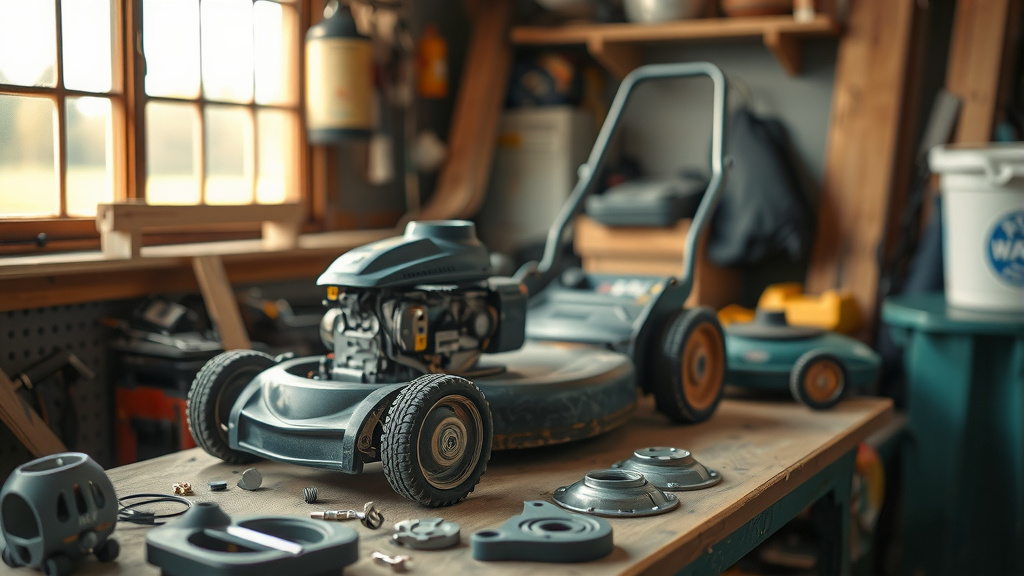
The scrap value of a lawn mower typically ranges from $5 to $25, depending primarily on its weight, the types of metal it contains, and current local scrap metal prices. Factors like engine size and overall condition influence how much is a lawn mower worth in scrap.
Most of the value comes from the heavier steel chassis and engine components, with smaller amounts from aluminum or brass.
- You can expect a scrap lawn mower to bring in anywhere from a few dollars to twenty-five dollars.
- The main value comes from separating the metals, especially steel and any aluminum or copper.
- Draining all fluids and removing non-metal parts before heading to the scrap yard is essential.
- Current local market rates for scrap metal significantly impact the final payout.
- Consider selling usable parts or the whole mower for repair if the scrap value is too low.
How Much Is A Lawn Mower Worth In Scrap?
A typical residential push lawn mower might fetch anywhere from $5 to $25 when scrapped. This value isn’t fixed; it shifts based on several factors, including the mower’s size, the metals it holds, and fluctuating market rates.
Why Do People Scrap a Lawn Mower?
Sometimes your old lawn mower is just beyond repair, or the cost to fix it far outweighs its worth. Maybe the engine seized, or the deck rusted through. When it’s not starting, blowing smoke, or becoming a garage ornament, scrapping it can be a way to responsibly dispose of it and recover a few dollars.
What Determines Scrap Value?
The total weight and the mix of metals are the biggest factors. Scrap yards pay by the pound, and different metals have different values. Knowing what’s inside your mower helps set your expectations.
Weight of Your Mower
A standard push mower often weighs between 50 and 80 pounds. Riding mowers, being much larger, can weigh several hundred pounds, often 300 to 500 pounds or more. More weight usually means a higher scrap return, especially for steel.
Types of Metals Present
Mowers are a mix of metals. You’ll find a lot of steel in the deck and frame. Engines often contain steel, cast iron, and sometimes aluminum. There might be small amounts of copper wiring or brass fittings, which are more valuable per pound.
Current Local Scrap Prices
Scrap metal prices aren’t uniform across the country. They vary greatly by region and even by individual scrap yard. We’ve found that calling around to a few local yards can help you get the best possible rate for your metals (Scrap Metal Recyclers Association).
Market Fluctuations
The price of metals like steel, aluminum, and copper changes daily, driven by global supply and demand. What your mower is worth today might be different next month. This is why many experts suggest checking current rates just before you go to the yard.
Preparing Your Mower for Scrap
Getting your mower ready can significantly increase its value and make the process smoother. Scrap yards prefer materials that are clean and sorted. Here’s a quick checklist:
- Drain All Fluids: Remove gasoline and engine oil completely.
- Remove Non-Metal Parts: Take off plastic pieces, tires, and fabric.
- Separate Metals: If you have time, sort different types of metal.
- Clean Off Debris: Brush away grass clippings, dirt, and rust flakes.
- Transport Safely: Secure the mower for its trip to the scrap yard.
Draining All Fluids
This step is non-negotiable. Scrap yards will not accept mowers with fluids still in them due to environmental regulations. Always drain the gas tank and engine oil thoroughly. Dispose of these fluids responsibly at an auto parts store or hazardous waste facility.
Disassembly Tips
While not strictly necessary, disassembling your mower can boost your payout. Separating the engine from the deck, for instance, makes sorting easier. We found that basic tools like wrenches and screwdrivers are often all you need.
Separating Metals for Better Value
Scrap yards typically pay more for separated metals. If you can take the time to break down your mower, you might get a better price. Here’s what to look for:
- Steel: The main frame, deck, and most of the engine block are steel.
- Aluminum: Some engine components, like cylinder heads or carburetors, can be aluminum.
- Copper: You might find small amounts in wiring or electric start motors.
- Cast Iron: Often found in engine blocks, it’s denser than steel.
Common Scrap Metal Prices (Example Range)
These prices are just estimates and can fluctuate wildly. Always check with your local scrap yard for current rates. We’ve compiled a typical range based on industry averages, but your mileage may vary.
| Metal Type | Typical Price Range Per Pound | Where You Find It in a Mower |
|---|---|---|
| Steel (Ferrous) | $0.05 – $0.15 | Deck, frame, wheels, engine block (most common) |
| Aluminum (Non-Ferrous) | $0.40 – $0.80 | Engine components, pull-start housing |
| Copper (Non-Ferrous) | $2.50 – $4.00 | Electrical wiring, motor windings (small amounts) |
| Cast Iron (Ferrous) | $0.08 – $0.18 | Heavy engine parts, flywheel |
Finding a Local Scrap Yard
A quick online search for “scrap metal near me” or “junk yard” should give you several options. It’s a good idea to call ahead. Ask about their hours, what types of metals they accept, and if they have any specific requirements for lawn mowers.
What to Expect at the Scrap Yard
When you arrive, your mower will likely be weighed on a large scale. If you’ve separated metals, they might be weighed individually. You’ll receive a ticket with the weights and prices, and then a payout, usually in cash or by check. It’s a fairly straightforward process.
Is Scrapping Worth the Effort?
For a few dollars, dismantling a whole mower can feel like a lot of work. The truth is, the scrap value of a single residential mower isn’t going to make you rich. But if you have multiple old mowers or enjoy a good DIY project, the small payout can be a bonus for clearing out clutter.
Alternatives to Scrapping Your Mower
Before you commit to scrapping, consider other options. Sometimes, your old mower has more value than just its metal. You might be surprised what people are looking for.
Selling for Parts
Even if the engine is dead, other parts might be perfectly fine. Wheels, handle assemblies, grass bags, or even carburetor parts can be valuable to someone trying to repair a similar model. Listings on online marketplaces are a great way to find buyers (Consumer Reports).
Repair and Sell
If the issue is minor, like a clogged carburetor or a dull blade, a little elbow grease might bring it back to life. A working mower, even an old one, is worth far more than its scrap value. Many people look for inexpensive used mowers.
Donate Your Mower
Some local charities or community organizations might accept non-working mowers if they have someone who can repair them. This is a great way to give back and get rid of your old equipment without dealing with scrap yards. Plus, it feels good!
Conclusion
Scrapping your old lawn mower can be a practical way to dispose of it and recover a small amount of money, typically between $5 and $25 for a push mower. The key is understanding that its value comes from the weight and type of metals, with steel being the most common. Draining fluids and, if you’re ambitious, separating metals can optimize your payout.
However, before heading to the scrap yard, pause and consider alternatives like selling parts or even repairing and reselling the mower. These options often yield a better return. Ultimately, making your old mower useful again, whether as scrap metal or a refurbished tool, helps keep it out of the landfill.
How much does a riding lawn mower weigh for scrap?
A riding lawn mower typically weighs between 300 to 500 pounds, but some larger, heavy-duty models can exceed 700 pounds. This significant weight means it will generally yield a higher scrap value than a push mower, especially due to its steel frame and engine components.
Do scrap yards buy lawn mower engines?
Yes, scrap yards generally buy lawn mower engines. They will often categorize them as “engine blocks” or “shredder material.” If you can separate the engine from the rest of the mower, it may make the weighing and pricing process more straightforward.
Is it worth it to take apart a lawn mower for scrap?
Taking apart a lawn mower for scrap is often only “worth it” if you have several mowers, enjoy the process, or want to maximize a small return. Separating different metals like aluminum and copper from the main steel body can increase your per-pound value, but the time investment can be considerable for a single mower.
What parts of a lawn mower are most valuable for scrap?
The most valuable parts of a lawn mower for scrap are usually the heavy steel deck and frame, followed by any aluminum engine components, and small amounts of copper wiring. These parts make up the bulk of the weight and offer slightly better per-pound rates for non-ferrous metals.
Do I need to drain gas and oil before scrapping a lawn mower?
Yes, you absolutely must drain all gasoline and engine oil before taking a lawn mower to a scrap yard. It is a strict requirement for safety and environmental reasons. Scrap yards will almost certainly refuse mowers with fluids still in them.
