
How To Choose A Good Lawn Mower?
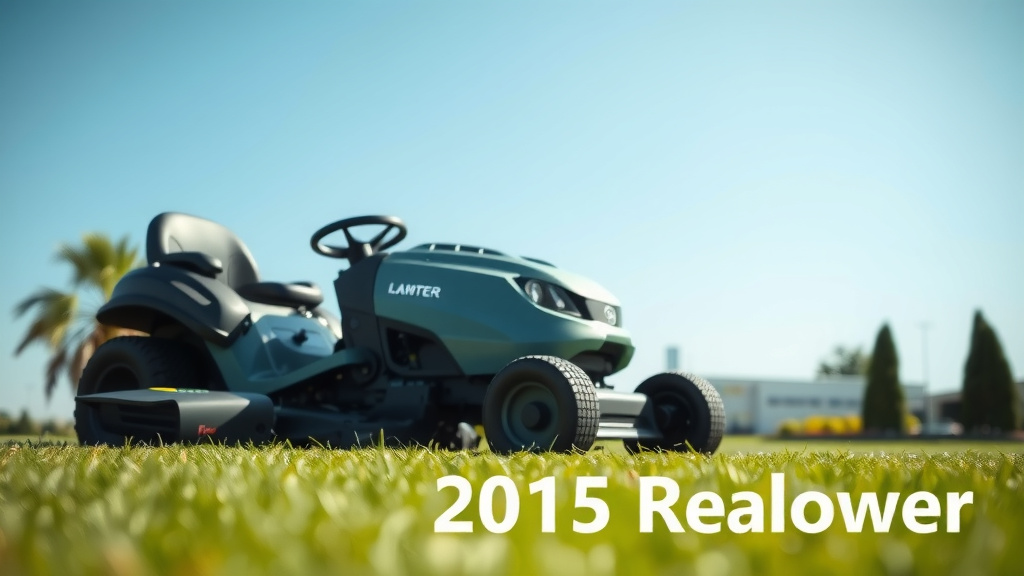
To choose a good lawn mower, consider your lawn’s size and terrain, then match it with the right power source and mower type. A smaller, flat yard might suit an electric push mower, while larger properties often benefit from gas-powered or riding models.
Look for a lawn mower that balances cutting power with ease of use and maintenance, ensuring it fits both your budget and your specific yard care needs. Don’t forget to check features like deck size and mulching options for a perfect lawn finish.
- Picking the best lawn mower starts with understanding your yard’s specific needs and size.
- Compare gas, electric, and battery mowers based on power, noise, and eco-friendliness.
- Different mower types, like push, self-propelled, or riding, suit varying physical capabilities and lawn sizes.
- Always consider deck size for efficiency and features like mulching for a healthier lawn.
- Set a realistic budget and think about long-term maintenance for your chosen model.
How To Choose A Good Lawn Mower?
Choosing a good lawn mower might feel like a big decision. We understand you want a machine that makes yard work simpler, not harder. Let’s walk through how to find your perfect match, making sure you get a tool that truly fits your life.
Assess Your Lawn’s Size and Terrain
First things first, let’s talk about your yard. Is it a cozy postage stamp, a sprawling estate, or something in between? This is often the most important factor for choosing a lawn mower. Small yards, say under a quarter acre, do great with compact mowers (Consumer Reports).
For Smaller Yards (Under 1/4 Acre)
If you have a compact lawn, you likely don’t need a giant machine. A push reel mower or a small electric model could be perfect. They’re often easier to store and lighter to maneuver.
For Medium Yards (1/4 to 1/2 Acre)
A mid-sized yard often calls for a bit more power. This is where many self-propelled walk-behind mowers shine. They take the effort out of pushing, which is great for slightly larger areas or gentle slopes.
For Larger Yards (Over 1/2 Acre)
Got a big expanse of green? You might want to consider a riding mower or a robust zero-turn model. These machines can cover large areas quickly and save your back from hours of walking. Many experts say they are game-changers for extensive lawns (Lawn & Landscape magazine).
Flat vs. Hilly Terrain
Consider your terrain too. A flat yard is easy for any mower. But if you have hills or uneven ground, you’ll need a mower with good traction and possibly self-propulsion. Safety on slopes is paramount.
Power Source Matters: Gas vs. Electric vs. Battery
This is where personal preference and environmental impact come into play. Each power source offers distinct advantages and drawbacks. What’s right for your neighbor might not be right for you.
Gas-Powered Mowers
These are the traditional workhorses. They offer raw power and extended run times, perfect for large yards with thick grass. However, they require fuel, oil changes, and produce emissions. They also tend to be louder.
Corded Electric Mowers
Plug-in electric mowers are often lightweight, quiet, and emit zero fumes. They’re excellent for smaller yards where an outlet is easily accessible. The catch? You’re always tied to an extension cord, which can be a tripping hazard or limit your range.
Battery-Powered Mowers
Cordless battery mowers offer the best of both worlds: no emissions and no cords. Battery technology has advanced rapidly, providing decent run times for most residential yards. Just remember to keep those batteries charged. We found they are becoming very popular for their convenience (Consumer Reports).
Understanding Mower Types
Beyond the power source, the actual design of the mower makes a huge difference in how it performs and feels to use. Let’s look at the common types you’ll find.
Push Mowers
These are basic, requiring you to physically push them across the lawn. They are often the most affordable and good for small, flat yards. Think of it as a nice little workout while you groom your grass.
Self-Propelled Mowers
A motor drives the wheels on these, so you simply steer. They are a fantastic choice for medium to large lawns, or if you have any difficulty pushing a heavy machine. They often come with variable speed control, letting you set your pace.
Riding Mowers / Zero-Turn
When your lawn demands serious coverage, riding mowers are the answer. Zero-turn mowers are a sub-category known for their ability to turn on a dime, saving time around obstacles. They are a big investment but offer immense efficiency.
Robotic Mowers
Yes, robots mow lawns now! These clever devices handle the mowing for you, typically operating on a set schedule within a wired boundary. They are quiet and can maintain a consistent grass height, but they are generally for smaller, simpler lawns and come with a higher price tag.
| Mower Type | Best For | Key Benefit |
|---|---|---|
| Push Mower | Small, flat lawns | Affordable, simple to use |
| Self-Propelled | Medium to large lawns, gentle slopes | Less physical effort |
| Riding Mower | Very large lawns | Fast, comfortable coverage |
| Robotic Mower | Smaller, well-defined lawns | Automated, quiet operation |
Blade and Deck Considerations
The part that actually cuts the grass is important, right? The deck size impacts how many passes you make. Larger decks cut more grass per pass, speeding up the job for bigger yards.
Mulching, Bagging, or Side Discharge?
Most modern mowers offer options for what happens to the clippings. Mulching mowers finely chop grass and return it to the lawn, acting as a natural fertilizer. This is great for lawn health (Purdue University Extension).
Bagging collects clippings, which is good if you want a super clean look or to prevent weed spread. Side discharge simply spits them out the side, often used for very tall grass where mulching isn’t ideal.
Think About Your Budget
Mowers come in a wide range of prices. It’s smart to set a budget, but also think about the long-term value. A slightly more expensive mower might last longer or require less maintenance, saving money down the road.
Maintenance and Storage Needs
Consider how much effort you want to put into maintenance. Gas mowers need more care than electric ones. Also, where will you keep your new machine? Make sure you have adequate, dry storage space.
Comfort and Features
Little things can make a big difference! Look for adjustable handles, easy-start mechanisms, or even wash ports for quick deck cleaning. User-friendly features enhance the mowing experience.
Safety First, Always
Modern mowers have safety features like blade brakes and emergency shut-offs. Always read the manual and understand how to operate your mower safely. Your well-being is key.
Read Reviews and Ask Around
What are other folks saying? Online reviews and recommendations from friends can provide real-world insights into a mower’s performance and reliability. Look for trends in feedback, both positive and negative, to help you make a well-informed choice.
Your Mower Shopping Checklist:
- Is the mower size right for my lawn?
- Does the power source fit my preferences and access?
- Is the mower type comfortable for my physical ability?
- Do I want mulching, bagging, or side discharge?
- Does it fit my budget (initial and long-term)?
- Is it easy to store and maintain?
- Does it have comfort and safety features I need?
Conclusion
Choosing a good lawn mower doesn’t have to be a chore. By thinking about your lawn, how you like to work, and your budget, you can narrow down the options. We hope this guide helps you find a mower that makes your yard work enjoyable, leading to a beautiful lawn you can be proud of. Happy mowing!
What’s the best time of year to buy a lawn mower?
The best time to buy a lawn mower is often in the late fall or winter. Retailers might offer significant discounts on current models to clear inventory before new lines arrive in spring. You might find great deals after the peak mowing season has ended.
How often should I get my lawn mower serviced?
Most experts recommend servicing your lawn mower at least once a year, typically before the start of the mowing season. This “tune-up” often includes changing the oil, spark plug, and air filter, along with blade sharpening, which helps ensure efficient operation and extends the mower’s life.
Are wider lawn mower decks always better?
Not always. While a wider deck covers more ground faster, it can also be harder to maneuver around obstacles, trees, or tight corners in smaller or irregular yards. A deck that’s too wide might also struggle on uneven terrain. Match the deck width to your lawn’s layout and your comfort with handling a larger machine.
What’s the difference between a side discharge and a mulching mower?
A side discharge mower simply expels grass clippings out the side as you cut, often used for taller grass. A mulching mower has a specially designed deck and blades that repeatedly chop the clippings into very fine pieces. These tiny pieces are then returned to the lawn, where they decompose quickly, adding nutrients back to the soil.
Can I convert a gas mower to electric or vice versa?
No, you cannot convert a gas mower to electric or an electric mower to gas. The engines, fuel systems, and overall designs are fundamentally different. Trying to modify them in this way would be unsafe and impractical. It’s always best to purchase the type of mower that suits your preferred power source directly.
