
How To Build A Lawn Mower Cart?
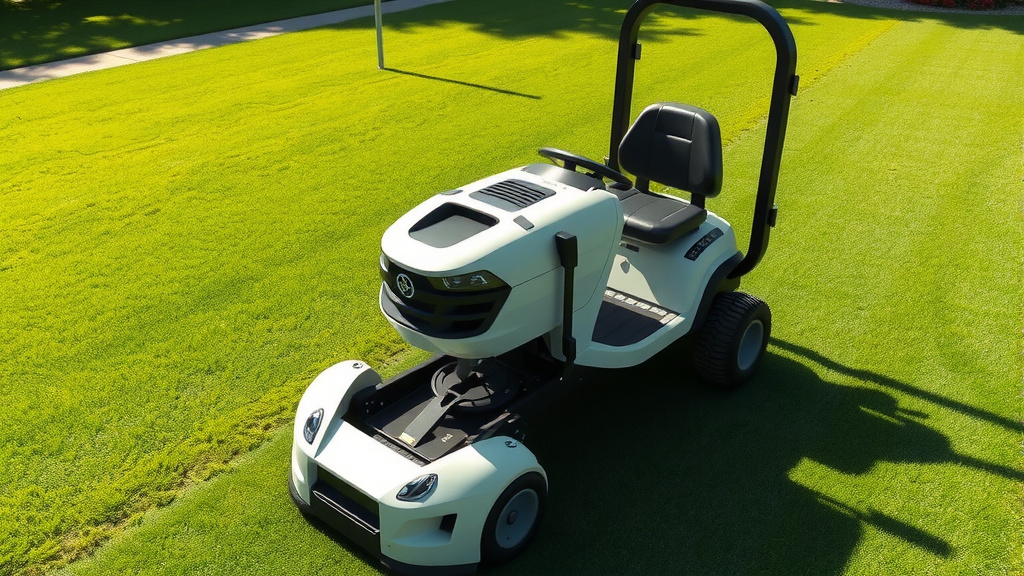
To build a lawn mower cart, you’ll need basic woodworking or metalworking skills, a clear design plan, and common materials like plywood, steel tubing, or an old wagon frame. Focusing on a sturdy base and appropriate wheels is vital for safety and functionality.
You can construct a practical lawn mower cart by cutting and assembling a durable frame, adding a suitable bed for carrying items, and attaching robust wheels that can handle uneven terrain. This DIY project can save you money and provide a custom solution for your yard work.
-
You can build a strong, custom lawn mower cart using common tools and materials like wood or metal.
-
Planning your design carefully and choosing the right wheels are critical steps for safety and stability.
-
This project is perfect for hauling tools, bags of clippings, or other yard work essentials around your property.
-
Following a step-by-step guide helps ensure your cart is durable and perfectly suited to your specific needs.
-
Always prioritize safety during construction and when using your finished cart.
Do you ever feel like you need an extra set of hands when doing yard work? Lugging around heavy bags of soil, tools, or clippings can be a real workout. A lawn mower cart, often called a dump cart or utility trailer, can be your best friend. But why buy one when you can build a custom cart that fits your needs perfectly? It’s a rewarding project, and we’re here to show you how.
How To Build A Lawn Mower Cart?
Building a lawn mower cart involves designing a stable frame, selecting suitable materials like treated wood or steel, and attaching robust wheels for easy transport across your lawn. The process is straightforward with the right plan and tools.
Why Build Your Own Cart?
Think about it. You get to decide the size, the look, and the features. Do you need a cart specifically for hauling firewood? Or perhaps one with specialized compartments for your gardening tools? When you build it yourself, you control the design. Plus, it can be a budget-friendly option compared to buying a pre-made cart (Family Handyman).
Planning Your Cart Project
Before you grab a saw, let’s talk strategy. What will your cart carry most often? This question helps determine its size and strength. A small cart for hand tools needs less robust materials than one meant for heavy bags of mulch. Consider your lawn mower’s towing capacity as well, if you plan to attach it.
Choosing the Right Materials
Many experts say that treated lumber or structural steel are excellent choices for the frame due to their durability. For the cart bed, plywood, galvanized steel sheets, or even reclaimed plastic barrels can work. We found that treated plywood offers a good balance of strength and ease of work.
| Material Type | Pros | Cons |
|---|---|---|
| Treated Wood | Easy to work with, affordable, good strength. | Can be heavy, needs sealing, may rot over time. |
| Steel Tubing | Very strong, durable, weatherproof (if coated). | Requires welding skills, heavier, more expensive. |
| PVC Pipe | Lightweight, rust-proof, very affordable. | Less strong, can become brittle, not for heavy loads. |
Essential Tools and Supplies
Having the right tools makes any project smoother. You’ll likely need a saw (circular or miter), a drill, measuring tape, and safety gear like gloves and eye protection. For materials, gather your chosen wood or metal, fasteners (bolts, screws), and wheels. Don’t forget paint or sealant for a professional finish.
-
Circular Saw or Miter Saw
-
Electric Drill and Bits
-
Measuring Tape and Pencil
-
Wrenches and Socket Set
-
Safety Glasses and Work Gloves
-
Clamps
-
Sandpaper or Sander
Selecting Durable Wheels
The wheels are the unsung heroes of your cart. Pneumatic (air-filled) tires offer a smoother ride over uneven terrain and are great for larger carts (Garden & Hearth). Solid rubber wheels are maintenance-free but might feel bumpier. Consider the weight your cart will carry and the type of ground it will traverse.
Designing for Stability
A stable cart won’t tip over easily. Many guidelines point to a wider base for better stability (Lawn Mower Forum). Keep the center of gravity low. This means mounting the cart bed as close to the axle as practical. A well-balanced cart reduces strain on both you and your lawn mower.
Step-by-Step Construction Guide
Ready to get your hands dirty? Let’s walk through the steps to bring your lawn mower cart to life. Remember, precise measurements are your best friend here. “Measure twice, cut once,” as the old saying goes!
Step 1: Create the Base Frame
Start by cutting the pieces for your cart’s base. This forms the foundation. If using wood, ensure your cuts are straight and square. Use weather-resistant screws or carriage bolts to secure the frame pieces together. We found that pre-drilling holes prevents wood splitting.
Step 2: Add the Axle and Wheels
Mount your axle to the underside of your base frame. This might involve U-bolts or axle hangers, depending on your design. Then, slide your chosen wheels onto the axle, securing them with washers and cotter pins. Make sure the wheels spin freely without wobble.
Step 3: Construct the Cart Bed
Cut your plywood or metal sheets to form the bottom and sides of the cart bed. Attach the bottom piece securely to your base frame. Then, fasten the side panels. For wooden carts, corner braces can add significant strength, preventing the sides from bowing outwards under a load.
Step 4: Build the Towing Hitch/Handle
If you’re attaching the cart to a lawn mower, create a sturdy hitch arm. This typically involves a strong piece of metal or wood extending from the front of the cart, terminating in a hitch pin or clevis. For a push cart, design a comfortable handle that is easy to grip and maneuver. Research often connects a properly angled handle with reduced back strain (Ergonomics Today).
Step 5: Apply Finishing Touches
Now for the aesthetic and protective stage! Sand any rough edges on wooden carts to prevent splinters. Apply a good quality exterior paint or sealant to protect your cart from the elements. This step not only makes your cart look great but also extends its lifespan significantly.
Safety First!
Always wear safety glasses when cutting or drilling. Be mindful of pinch points when assembling. When using the cart, never overload it beyond what your materials or lawn mower can safely handle. Remember, a cart full of rocks can be surprisingly heavy!
Common Mistakes to Avoid
One common pitfall is using too-small wheels for the intended load. Another is neglecting to seal wood, leading to premature rot. Also, ensure all fasteners are tight; a loose bolt can lead to a wobbly, unsafe cart. Double-checking connections is always smart.
Customizing Your Cart
Feeling creative? Add tool holders to the sides, perhaps a removable divider for different materials, or even a small seat for resting. You could also install a simple latching gate at the back for easier dumping. These small additions can make your custom cart truly unique and functional.
Maintenance Tips for Longevity
Even DIY carts need a little love. Periodically check tire pressure, especially if using pneumatic tires. Inspect all bolts and screws for tightness, and re-tighten as needed. If your cart is wood, reapply sealant every few years to keep moisture out. Keep the axles greased for smooth operation.
Project Checklist
-
Confirm design and dimensions.
-
Gather all tools and materials.
-
Cut frame pieces accurately.
-
Assemble frame and secure axle.
-
Attach wheels and test spin.
-
Build and fasten cart bed.
-
Install hitch or handle.
-
Sand and apply protective finish.
Conclusion
Building your own lawn mower cart is more than just a project; it’s an investment in making your yard work easier and more efficient. With careful planning, the right tools, and a bit of elbow grease, you can create a sturdy, customized utility cart that will serve you for years. It’s about taking pride in your property and enjoying the process of creating something useful with your own hands. Now, go forth and build something amazing!
What kind of wheels are best for a lawn mower cart?
The best wheels for a lawn mower cart depend on your terrain and load. Pneumatic (air-filled) tires offer a smoother ride over uneven ground, while solid rubber wheels are maintenance-free and puncture-proof, ideal for flatter surfaces or lighter loads.
How do I make my DIY lawn mower cart durable?
To make your DIY lawn mower cart durable, use treated lumber or structural steel for the frame, seal all wooden components against moisture, and use heavy-duty fasteners like carriage bolts. Regular maintenance, such as checking bolt tightness, also adds to its lifespan.
Can I add a dumping feature to my homemade cart?
Yes, you can add a dumping feature to your homemade cart. This usually involves a hinged connection between the cart bed and the frame, often with a latching mechanism at the front. Some designs use a simple pivot point, allowing the bed to tip backwards to unload materials.
What’s the ideal size for a lawn mower cart?
The ideal size for a lawn mower cart varies based on your needs and your mower’s towing capacity. A general guideline is to make it large enough to hold common yard waste like leaf bags or a few tools, but not so large that it becomes unwieldy or too heavy for your mower to pull safely.
Are there any specific safety considerations when building a cart?
Absolutely, safety is paramount. Always wear eye protection and gloves when cutting or drilling. Ensure all connections are secure, and never overload the cart beyond its structural limits. When using the cart, be aware of its weight and balance, especially on slopes.
