
How To Dispose Lawn Mower?
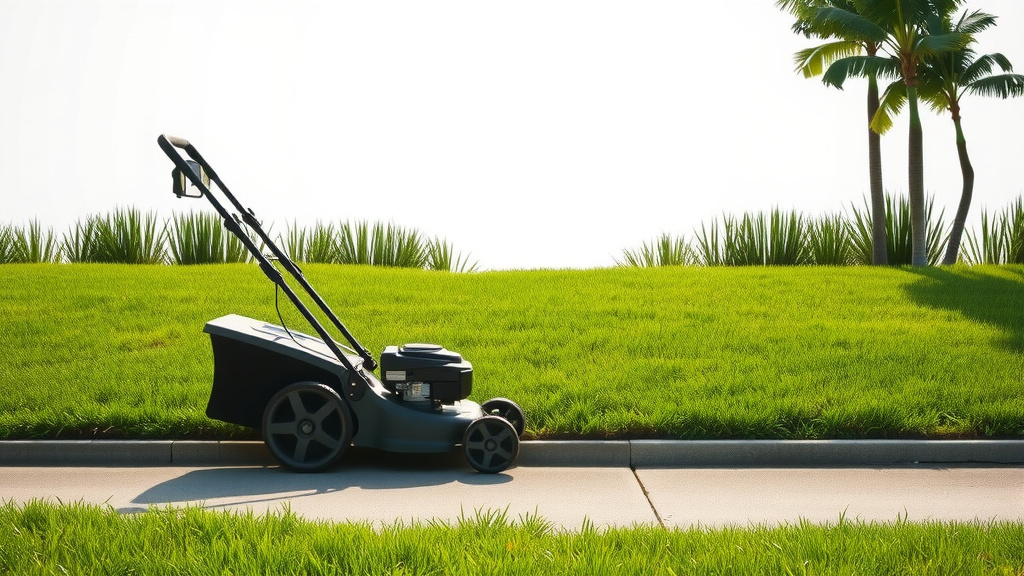
To dispose of a lawn mower safely, first drain all fuel and oil, then disconnect the battery if it’s an electric model. You can then recycle it at a local scrap yard, donate it, or inquire about municipal bulky waste services.
Properly disposing of a lawn mower prevents environmental pollution from hazardous fluids and ensures components are recycled responsibly, often through specialized recycling centers or community programs.
Before diving into the details, here’s a quick overview of how you can responsibly get rid of that old lawn mower:
- Drain all fuel and oil completely to prevent spills.
- Disconnect and safely remove the battery from electric or riding models.
- Consider donating working mowers to charities or community groups.
- Recycle non-working mowers at local scrap yards or specialized recycling facilities.
- Check with your local waste management for bulky item pickup or drop-off days.
How To Dispose Lawn Mower?
Getting rid of an old lawn mower can seem tricky, can’t it? Many people just want to clear out space in their garage. We found that the best way to dispose of a lawn mower is through responsible recycling or donation after proper fluid removal.
You’ve probably asked yourself, “What do I do with this old machine?” Don’t worry, we’ll walk you through the simplest and most environmentally sound options available. It’s easier than you think to do the right thing.
Why Can’t You Just Toss It?
Tossing your old mower into the regular trash isn’t just frowned upon; it’s usually against local regulations. Why? Lawn mowers contain hazardous materials like gasoline, oil, and sometimes lead-acid batteries. These items are bad for our planet.
If these fluids leak into landfills, they can contaminate soil and groundwater. That’s a big problem for everyone. Many experts say proper disposal is a key step for environmental protection (Environmental Protection Agency).
Safety First: Preparing Your Mower for Disposal
Before you do anything else, you need to make your mower safe. This means removing all the liquids and any batteries. It’s like clearing the table before you wipe it down – a necessary first step.
This preparation ensures no harmful chemicals leak out during transport or processing. It protects the environment and anyone handling the mower. Always wear gloves and eye protection for personal safety.
Fuel and Oil Removal
For gas mowers, this is a critical task. You’ll need to drain every drop of gasoline and engine oil. Use appropriate containers to collect these fluids, as they are considered household hazardous waste.
Many local auto parts stores or public works departments accept used oil and gas for recycling. Never pour them down the drain or onto the ground. That’s a big no-no for our water systems.
Battery Disconnection
If you have an electric mower or a riding mower, it likely has a battery. Disconnect it carefully following your owner’s manual. Batteries also contain chemicals that need special handling.
Automotive stores, recycling centers, and some retail outlets often take old batteries. Lead-acid batteries are commonly recycled, keeping harmful substances out of landfills. This is a simple but important part of prep.
Eco-Friendly Disposal Options
Once your mower is prepped, you have several responsible ways to dispose of it. We found that these methods not only help you, but also benefit the community and environment. Let’s look at your choices.
Donating Your Old Mower
Is your mower still in decent working condition, maybe just needs a tune-up? Donating it could be a wonderful idea. Charities, community gardens, or vocational schools often welcome used equipment.
You might even get a tax deduction for your donation! It’s a win-win: someone gets a useful tool, and you get rid of your old one responsibly. Check with local non-profits for their acceptance policies.
Recycling Centers and Scrap Yards
For mowers past their prime, recycling is usually the best option. Scrap metal yards are excellent places for this. They accept the metal components and ensure they are reused in new products.
Many recycling centers have specific areas for appliances and yard equipment. We found that a quick call to your local center can confirm what they accept. It helps keep important materials out of landfills.
What to Expect at a Recycling Center
When you arrive, staff will likely direct you to a drop-off point. They might ask if you’ve drained all fluids, so be honest. Some centers may charge a small fee, others accept it free of charge.
The process is usually straightforward. You drive up, unload your mower, and you’re done. It’s a simple way to contribute to a circular economy, where materials get a second life.
Local Waste Management Programs
Many municipalities offer programs for bulky waste pickup or special drop-off events. It’s worth checking your city or county’s waste management website. They often have specific days for large item disposal.
These programs can be super convenient, especially if you can’t transport the mower yourself. Research shows these services are designed to handle items like mowers safely (Government waste management sites).
Trade-In Programs and Retailers
Are you buying a new lawn mower? Some retailers offer trade-in programs for your old one. This can save you money on a new purchase and solve your disposal problem all at once. It’s a smart way to upgrade your gear.
Brands like Husqvarna or John Deere dealers sometimes participate in these initiatives. Always ask about trade-ins when you’re shopping for a replacement. It can make replacing your mower much less of a hassle.
Selling Your Used Lawn Mower
If your mower still runs well, even if it’s older, selling it can be a great option. Someone else might be looking for an affordable machine. Think of it as passing on a good tool.
When to Consider Selling
Sell if the mower starts easily, cuts grass well, and only has minor cosmetic flaws. If it needs major repairs, it might be better to recycle it. A working mower has real market value.
Tips for a Successful Sale
Clean it up, take clear photos, and list it on local classifieds or online marketplaces. Be honest about its condition. A fair price and good description will attract interested buyers quickly.
Special Considerations for Different Mower Types
While the basic steps are similar, different types of mowers have unique quirks for disposal. Knowing these differences helps you dispose of your specific machine more smoothly. It’s like knowing the differences in car models.
Gas Mowers vs. Electric Mowers
Gas mowers definitely need fuel and oil drained. Electric mowers, however, require careful battery handling and often don’t have fluid issues. Battery-powered units are often easier to prep for recycling due to fewer hazardous fluids.
Riding Mowers vs. Push Mowers
Riding mowers are much larger and heavier. This makes transport and moving them more challenging. You might need help or a trailer. Push mowers are lighter and simpler to handle. Size definitely plays a role here.
Making the Right Choice: A Quick Checklist
Feeling overwhelmed? Here’s a simple checklist to guide your decision-making process for disposing of your old lawn mower:
- Is the mower still working or repairable?
- Have I drained all fuel, oil, and removed the battery?
- Are there any local charities or vocational schools that accept donations?
- Does my local recycling center or scrap yard take mowers?
- Does my city offer bulky waste pickup or special drop-off days?
- Am I buying a new mower and can I trade in the old one?
This checklist helps you consider all angles. It ensures you pick the most suitable disposal method for your situation. Take your time to review each point.
Disposal Method Comparison Table
To help you weigh your options, here’s a quick table comparing the most common disposal methods. Think of it as a cheat sheet for making your choice.
| Method | Pros | Cons | Best For |
|---|---|---|---|
| Donation | Environmentally friendly, potential tax deduction, helps others. | Mower must be in working/repairable condition. | Working or easily fixable mowers. |
| Recycling/Scrap Yard | Environmentally responsible, extracts useful materials. | May require transport, small fee possible. | Non-working, old, or broken mowers. |
| Local Waste Program | Convenient, often free or low cost, community service. | Limited pickup days, specific item restrictions. | Any mower (check local rules). |
| Trade-In Program | Saves money on new purchase, easy disposal. | Only available when buying a new mower, not all retailers offer. | When upgrading to a new model. |
| Selling | Get some cash, gives mower a second life. | Requires effort (cleaning, listing, selling). | Working mowers in decent shape. |
Conclusion
Disposing of your old lawn mower doesn’t have to be a chore. By taking a few responsible steps, you can ensure it’s handled safely and sustainably. Remember, every little effort helps protect our shared planet.
Whether you choose to recycle, donate, sell, or use a municipal service, you’re making a positive impact. So, go ahead, clear out that garage, and feel good about your choice! Your green space and our earth will thank you.
Frequently Asked Questions About Lawn Mower Disposal
Can I just put my lawn mower on the curb for trash pickup?
Generally, no. Most regular trash services do not accept items containing hazardous fluids or large metal appliances. You usually need to arrange for a special bulky waste pickup or take it to a designated facility.
Do I need to clean the lawn mower before recycling?
Yes, it’s essential. You must drain all gasoline and oil completely. Batteries also need to be removed. A quick exterior wipe-down is helpful, but the fluid and battery removal are the most critical cleaning steps.
What if my lawn mower is very old and rusty? Can it still be recycled?
Absolutely! Even very old and rusty mowers are typically accepted at scrap metal yards. The metal components still hold value for recycling, regardless of their condition. Just make sure all fluids are removed.
Are there any organizations that pick up old lawn mowers for free?
Sometimes, yes. Some local charities, community organizations, or vocational schools might offer free pickup services for working or easily repairable mowers. It’s best to call around in your local area to inquire.
Is there a specific time of year that’s best for mower disposal?
Not necessarily. However, many communities hold “Hazardous Waste Day” or “Bulky Item Drop-Off” events in the spring or fall. These can be convenient times to dispose of mowers, but you can usually find options year-round.
