
How To Empty A Lawn Mower?
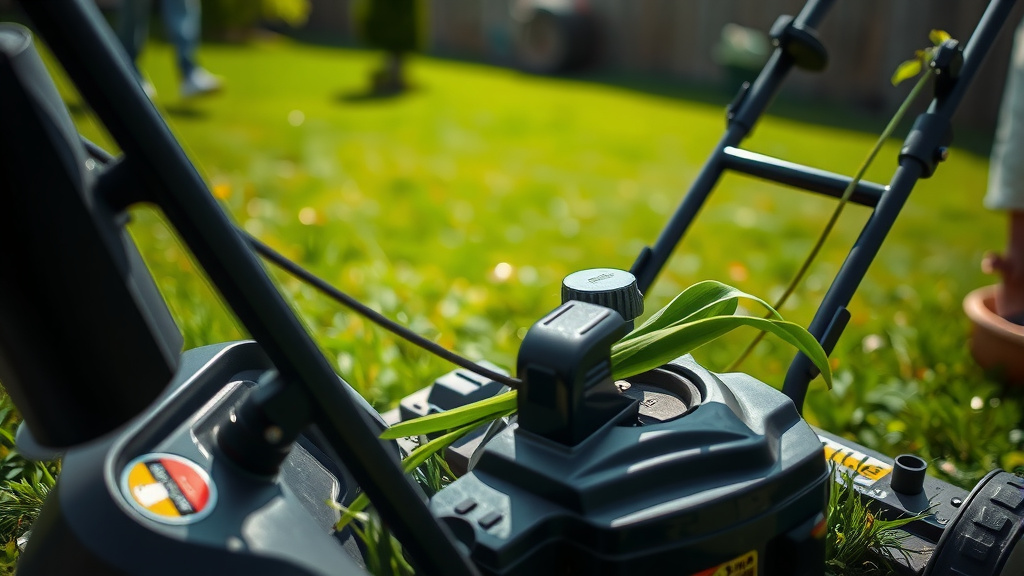
To empty a lawn mower, you typically remove the grass collection bag, lift it carefully, and invert it over your compost pile or waste bin. Always ensure the engine is off and the spark plug wire is disconnected for safety before you begin.
The method for emptying your lawn mower depends on whether it uses a bag, mulches, or has a side-discharge chute, each requiring a slightly different, straightforward approach.
- Keep your hands and feet clear of the blades at all times.
- Always turn off the engine and remove the spark plug wire before handling the grass bag.
- The best way to empty depends on your mower type: bagging, mulching, or side discharge.
- Regular emptying prevents clogs and keeps your lawn mower running efficiently.
- Emptying when the bag is three-quarters full is often ideal to avoid heavy lifting and spills.
There’s nothing quite like the fresh smell of a freshly mown lawn, is there? But what happens after you’ve created those perfect stripes? You’re left with a mower full of clippings. Knowing how to empty your lawn mower correctly is key for both your safety and the longevity of your machine. It’s a simple task, yet many people might wonder if there’s a best way to do it. Let’s walk through the steps together, making sure your lawn care routine stays smooth and safe.
How To Empty A Lawn Mower?
Emptying your lawn mower is straightforward once you know your mower’s specific design. Most mowers use a grass bag, a mulching system, or a side discharge. Each method requires slightly different steps, but safety is always the first consideration.
No matter your mower type, always prioritize safety. We often found that neglecting safety steps can lead to unnecessary risks (Consumer Reports).
Safety First: Your Top Priority
Before you even think about touching that grass bag or chute, make sure your lawn mower is completely safe. This isn’t just a suggestion; it’s a non-negotiable step. Imagine your mower accidentally starting while your hands are near the blade – not a pleasant thought, right?
Always turn off the engine first. If it’s a gas mower, also disconnect the spark plug wire. This prevents any accidental starts. For electric models, unplug the power cord or remove the battery. Always let the blades come to a complete stop before approaching the discharge area.
Pre-Emptying Safety Checklist
- Turn off the engine completely.
- Remove the spark plug wire from gas mowers.
- Unplug electric mowers or remove the battery.
- Wait for blades to stop spinning entirely.
- Wear gloves to protect your hands from debris.
- Position the mower on a flat, stable surface.
Emptying a Bagging Mower: The Classic Way
Most push mowers and some riding mowers come with a grass collection bag. This is probably the most common way to collect clippings. When the bag starts to look full, or you notice your mower struggling a bit, it’s time to empty it.
First, ensure your mower is off and safe. Then, carefully unclip or unlatch the grass bag from the back of the mower. It might feel heavy, especially if the grass is wet. Many experts suggest holding the bag by its handle, keeping it away from your body.
Carry the bag to your chosen disposal spot, like a compost pile or yard waste bin. Tilt the bag upside down and shake out the clippings. Sometimes, you might need to give it a gentle tap or two to loosen any stuck grass. Reattach the empty bag securely to your mower.
Mulching Mowers: What’s Different?
Mulching mowers don’t have a bag to empty because they’re designed to finely chop grass clippings and return them to your lawn. This acts as a natural fertilizer, which is great for your soil! So, if you have a dedicated mulching mower, you won’t need to empty anything.
However, many mowers offer a mulching option. This usually means you remove the grass bag and install a mulching plug or baffle in the discharge opening. This plug keeps the grass inside the cutting deck longer, allowing it to be chopped into tiny pieces. When you’re in mulching mode, there’s no emptying required!
Side Discharge: A Different Approach
Mowers with side discharge simply eject the clippings out of a chute on the side. This method is often preferred for very tall grass or when you don’t want to bag clippings. Similar to mulching, there’s nothing to empty with this method.
You’ll simply direct the chute away from flower beds, sidewalks, or people. We found that allowing clippings to spread evenly over the lawn can contribute to a healthier lawn over time (University Extension Services). Just remember to give the chute itself a quick clean periodically to prevent blockages.
When Should You Empty Your Lawn Mower?
Timing is everything, even with emptying your mower. Waiting until the bag is overflowing can make it really heavy and hard to manage. It can also clog your mower, causing it to work harder and potentially affecting cutting performance.
A good rule of thumb is to empty the bag when it’s about three-quarters full. This keeps the weight manageable and prevents grass from backing up into the mower deck. If the grass is wet, you might need to empty it more frequently, as wet clippings are much heavier and compact more easily.
Why Regular Emptying Matters
Regularly emptying your mower isn’t just about getting rid of grass. It plays a big role in your mower’s efficiency and your lawn’s health. Think of it like taking out the trash in your house – if you let it pile up, things get messy and smelly, right?
- Better Mower Performance: A full bag can bog down the engine.
- Cleaner Cut: An overloaded deck can leave uneven cuts.
- Prevents Clogging: Reduces the chance of grass getting stuck.
- Easier Handling: Lighter bags are simpler to carry and empty.
- Extends Mower Life: Less strain on the engine and components.
Troubleshooting Common Issues
Sometimes, emptying isn’t as simple as shaking out grass. What if the bag feels blocked, or clippings are stuck? Don’t worry, these are common issues with easy fixes. Always remember to turn off the mower and disconnect the spark plug first.
If clippings are really stuck, use a stick or gloved hand to gently dislodge them. Never use your bare hands to clear a blockage near the blade area. We found that a stiff brush can also help clean the inside of the bag. For the discharge chute, a quick blast of compressed air can clear stubborn bits.
Cleaning Your Grass Collection System
After you empty your bag, consider giving it a quick clean. Grass clippings can build up, especially if you cut wet grass. This residue can create odors and even become a breeding ground for fungi, which isn’t ideal for your lawn or your mower.
Many experts recommend spraying the inside of your grass bag with a hose. Allow it to air dry completely before reattaching it to the mower or storing it. For plastic components like discharge chutes, a damp cloth or soft brush usually does the trick. A clean system works better and lasts longer.
Mower Emptying Methods at a Glance
Here’s a quick overview of the different ways your mower handles grass, and what that means for you.
| Mower Type / Feature | Emptying Required? | Key Action |
|---|---|---|
| Bagging Mower | Yes, regularly | Remove bag, invert clippings. |
| Mulching Mower (dedicated) | No | No action needed for clippings. |
| Mower with Mulching Plug | No (when plug is in) | Clippings returned to lawn. |
| Side Discharge Mower | No | Clippings ejected to the side. |
Dealing with Wet Clippings
Mowing wet grass isn’t ideal, but sometimes it’s unavoidable. When you do, you’ll notice the clippings are heavier, stickier, and clump together more easily. This makes emptying a bit more challenging.
Wet clippings can clog your bag and chute much faster. You might need to empty the bag more frequently, perhaps when it’s only half full, to prevent it from becoming too heavy or creating a blockage. After emptying, take the time to clean the bag and mower deck thoroughly, as wet grass tends to cling and cause rust or mold.
Long-Term Mower Health
Thinking about the long game, regularly emptying and cleaning your mower’s grass collection system contributes to its overall health. It’s like giving your car regular oil changes. These small habits add up to big benefits over time.
A well-maintained mower runs more efficiently, provides a better cut, and lasts longer. It also means you’re less likely to face unexpected breakdowns or costly repairs down the road. Keeping things clean and clear is a simple step towards a happier, healthier lawn mower and a beautiful yard.
Conclusion
Emptying your lawn mower is a fundamental part of lawn care that shouldn’t be overlooked. Whether you’re bagging, mulching, or side-discharging, understanding your mower’s system and following key safety steps ensures a smooth process. Remember to prioritize your safety, empty regularly to maintain mower efficiency, and keep your grass collection system clean. By doing so, you’re not just tidying up your yard; you’re investing in the longevity of your equipment and the beauty of your lawn.
What should I do if my grass bag is stuck or difficult to remove?
If your grass bag feels stuck, first re-check that the mower is completely off and safe. Then, gently wiggle the bag from side to side. Sometimes, compacted grass or a slight misalignment can make it difficult to remove. Avoid forceful pulling, as this could damage the bag or the mower’s attachment points.
Can I use a plastic bag liner inside my grass collection bag?
It’s generally not recommended to use a plastic bag liner inside your grass collection bag. The grass bag is designed with specific airflow for proper collection. A plastic liner can block this airflow, leading to poor collection, clogs, and even strain on your mower’s engine. Stick to using the original bag as intended.
How do I dispose of grass clippings after emptying my mower?
You have several environmentally friendly options for disposing of grass clippings. You can add them to a compost pile, where they’ll break down into nutrient-rich soil. Many municipalities also offer yard waste collection services. Alternatively, consider using a mulching mower to return clippings to your lawn as natural fertilizer.
Does the type of grass affect how often I need to empty the mower?
Yes, the type of grass can definitely affect how often you need to empty. Thicker, denser grass types, or grass that grows very quickly, will produce more clippings. This means your bag will fill up faster, requiring more frequent emptying compared to sparse or slow-growing varieties.
Is it better to empty the mower after every use, or can I wait?
It’s generally better to empty your mower after every use, especially if the bag is more than half full. Leaving a partially full bag of clippings can attract pests, create odors, and allow grass to dry and stick, making future emptying more challenging. A clean, empty bag is always ready for your next mow.
