
How To Keep Lawn Mower Bagger From Clogging?
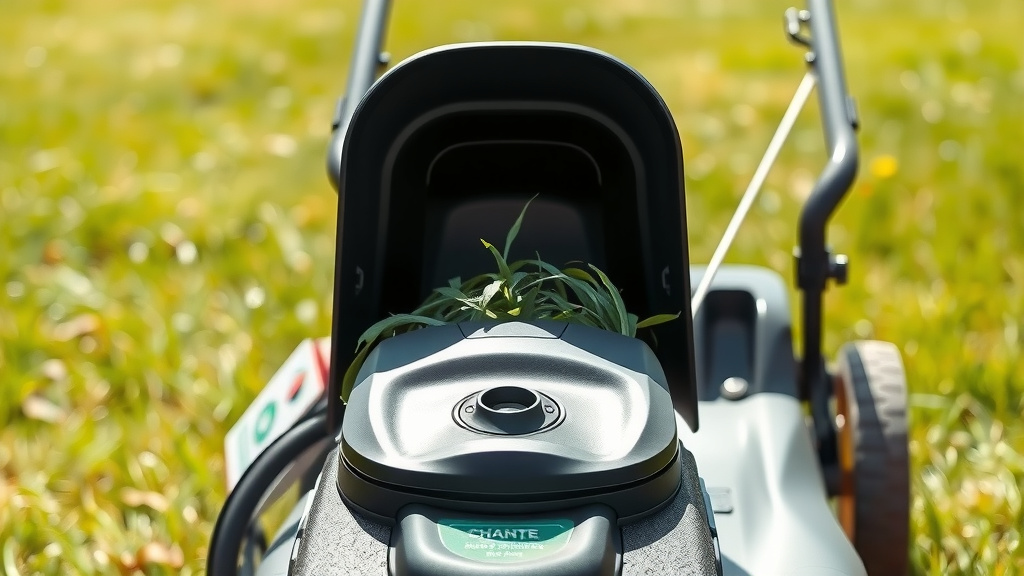
To keep your lawn mower bagger from clogging, always mow when your grass is completely dry, raise your cutting deck to avoid taking too much off at once, and make sure your mower blades are sharp.
Proper maintenance and smart mowing habits are key to a clear bagger, preventing frustrating stops and ensuring efficient grass collection every time you mow your lawn.
- Mow only dry grass to prevent bagger clogs.
- Keep your mower blades sharp for clean cuts.
- Adjust your cutting height to remove no more than one-third of the grass blade.
- Clean the mower deck and bagger chute regularly.
- Pace yourself; don’t try to mow too quickly.
How To Keep Lawn Mower Bagger From Clogging?
Keeping your lawn mower bagger from clogging is simpler than you might think. The core idea is to prevent a build-up of wet or excessive grass from blocking the flow. By following a few key steps, you can enjoy a smoother, more efficient mowing experience.
Understand the Root Causes of Bagger Clogs
Before we dive into solutions, let’s quickly look at why baggers clog. We found that most issues stem from a few common problems. Knowing these helps you prevent them before they start.
Wet Grass Is the Enemy
Trying to mow wet grass is a common culprit. Wet clippings are heavy and sticky. They clump together easily inside the chute and bag, creating instant blockages. Many experts say this is the number one cause of frustration (Lawn & Landscape magazine).
Too Much Grass at Once
When you cut off a large amount of grass, your mower struggles. This volume can overwhelm the system. The bagger can’t handle the sheer bulk, leading to a quick backup. Think of it like trying to drink from a firehose.
Dull Blades are Trouble
Dull blades don’t cut grass cleanly. Instead, they tear it, creating ragged edges. These torn, longer clippings are tougher to propel into the bag. They also tend to stick to the chute walls more readily.
Dirty Mower Deck and Chute
Over time, grass clippings build up under the deck and in the discharge chute. This residue narrows the path for new clippings. A smaller opening means it’s much easier for blockages to form.
Smart Mowing Habits to Prevent Clogging
Prevention is always better than dealing with a clog. These practical steps can make a big difference in your mowing routine.
Timing Your Mow Just Right
Always wait for your lawn to be completely dry before mowing. This means avoiding early mornings when dew is present. Also, steer clear after rain showers. Dry grass flows freely, reducing stickiness and clumps.
Adjusting Your Blade Height
Don’t try to cut too much grass at once. We found that the “one-third rule” is essential (American Society of Agronomy). Never remove more than one-third of the grass blade length. If your grass is very tall, raise your deck and make multiple passes.
Sharpening Your Blades Regularly
Sharp blades are like sharp kitchen knives; they cut cleanly. Clean cuts mean shorter, lighter clippings that move easily. Many experts recommend sharpening your blades every 25 hours of use, or at least once per season. This also keeps your grass healthier (Purdue University Extension).
Don’t Rush the Job
Pushing your mower too fast can overload the bagging system. Take your time and maintain a steady, moderate pace. This allows the blades to cut properly and the discharge chute to clear effectively. Think of it as a leisurely stroll, not a race.
Clean Your Bagger & Chute After Each Use
Make it a habit to clean your mower after every use. Use a stiff brush or an air compressor to clear out grass clippings. Pay special attention to the discharge chute and the underside of the deck. This simple step keeps airflow clear.
Check for Airflow Blockages
A bagger needs good airflow to work. The air helps push the clippings into the bag. If the mesh of your bagger is caked with dust and fine particles, airflow is restricted. We often find that a quick clean or even washing the bag can restore function.
When to Consider Mulching Instead
Sometimes, bagging isn’t always the best option. Mulching mowers cut grass into tiny pieces. These tiny clippings then fall back into the lawn. This can be great for your lawn’s health, acting as a natural fertilizer. If clogs are a constant struggle, a mulching kit might be a good alternative for you. Many landscapers use this method for healthier lawns.
Troubleshooting a Clogged Bagger in the Field
Even with the best preparation, a clog can happen. Here’s what to do if your bagger stops collecting.
Safety First!
Always turn off your mower and remove the spark plug wire. This prevents accidental starting. Blades are extremely dangerous, so never put your hands near them without taking these precautions.
Clear the Chute
Carefully remove the bagger. Use a stick or a gloved hand to clear any visible clumps from the discharge chute. Be thorough, ensuring the path is completely open. Sometimes, a simple stick is your best friend here.
Inspect the Bagger Bag
Check the bag itself. Is it overfilled? Are the mesh pores blocked? Empty the bag and, if needed, shake it out. You might even hose it down and let it dry if it’s really caked with fine debris.
Bagger Clog Prevention Checklist
- Mow only dry grass.
- Keep blades sharp.
- Don’t cut more than one-third of grass height.
- Clean deck and chute after each mow.
- Empty bagger frequently.
- Mow at a moderate pace.
| Issue | Prevention Tip | Troubleshooting Tip |
|---|---|---|
| Wet Grass | Mow when dry. | Wait for lawn to dry. |
| Dull Blades | Sharpen regularly. | Inspect and sharpen blades. |
| High Grass | Raise deck, cut in stages. | Mow higher, then lower. |
| Dirty Chute | Clean after each use. | Clear with a stick. |
| Full Bagger | Empty frequently. | Empty the bag completely. |
Conclusion
Keeping your lawn mower bagger from clogging really comes down to a few mindful practices. By mowing dry, keeping your blades sharp, and maintaining your machine, you’ll avoid most common clogs. These simple steps save you time and frustration, letting you enjoy a neatly mowed lawn. Remember, a little preparation goes a long way in ensuring your mower runs smoothly and efficiently every time you step out to tackle the yard.
Why does my lawn mower bagger keep clogging even with sharp blades?
Even with sharp blades, your bagger can clog if you’re mowing wet grass, cutting too much grass at once, or if the discharge chute is partially blocked by old clippings. Check your mowing height and ensure the entire system, including the bag’s mesh, is clean.
How often should I clean my mower deck and bagger chute?
It’s best practice to clean your mower deck and bagger chute after every use. This prevents grass buildup from hardening. Regular cleaning ensures consistent airflow and a clear path for clippings.
Can a worn-out bagger itself cause clogging?
Yes, a worn-out bagger can definitely cause clogging. If the mesh fabric is torn or excessively caked with fine dust, it can restrict airflow. This prevents clippings from being pushed into the bag, causing them to back up in the chute.
Is it better to mow more frequently to prevent bagger clogs?
Mowing more frequently can certainly help prevent clogs. By cutting a smaller amount of grass each time, you reduce the volume of clippings. This makes it easier for your mower to process and bag the grass without overwhelming the system.
What if my lawn is always a bit damp? How can I prevent clogs then?
If your lawn is often damp, try to mow later in the day when the sun has had a chance to dry the grass. Raise your cutting height to reduce the amount of wet grass being cut. You might also consider switching to a mulching mower, as it handles damp conditions better than a bagging system.
