
How To Load Lawn Mower Into SUV?
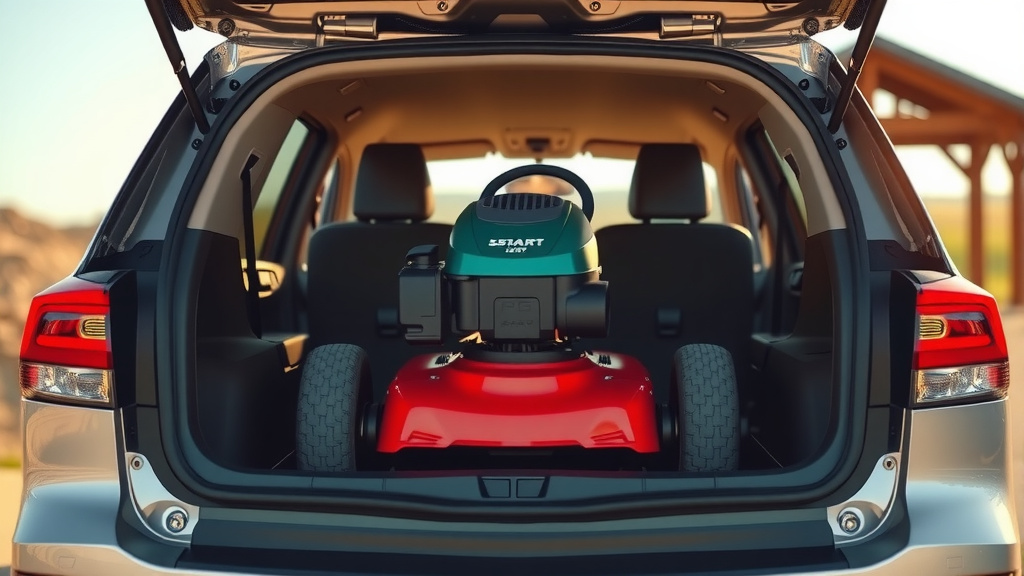
To load a lawn mower into an SUV, first drain all fuel and check oil levels. Next, position sturdy loading ramps securely at the SUV’s rear and slowly push or drive the mower up with assistance, ensuring its engine side faces forward.
Always prioritize safety by wearing appropriate gear, clearing the loading area, and having a helper. Once inside, use strong ratchet straps to firmly secure the mower to your SUV’s anchor points, preventing any movement during transit.
- Get your lawn mower into an SUV with these easy steps.
- Safety is key: drain fuel, disconnect spark plugs, and clean thoroughly.
- Use the right equipment like sturdy ramps and strong tie-down straps.
- Loading with a friend makes the process much safer and simpler.
- Secure your mower inside to prevent spills or damage during travel.
How To Load Lawn Mower Into SUV?
Moving a lawn mower can feel like a big challenge. Getting that heavy machine into your SUV requires some planning and the right approach. With careful steps, you can transport your mower safely and without damage.
Why Choose an SUV for Mower Transport?
Maybe you need to take your mower for service, or perhaps you’re helping out a friend. Your SUV can be a very convenient option for this task. It saves you the hassle and cost of renting a truck or trailer, making it a practical choice for many.
Understanding Your SUV’s Capabilities
Not all SUVs are created equal. Consider your vehicle’s cargo space and payload capacity. We found that larger SUVs with flatter cargo areas are generally easier to work with. Always consult your owner’s manual for specific weight limits.
Safety First: Essential Preparations
Before you even think about lifting or rolling, safety should be your top priority. A lawn mower contains fuel and oil, which can be hazardous if not handled correctly. Proper preparation prevents spills and potential fires.
Getting Your Mower Ready for the Ride
First, empty the fuel tank completely. Many experts suggest running the mower until it’s out of gas to ensure thorough drainage. Next, disconnect the spark plug wire to prevent accidental starting. If it’s an electric mower, remove the battery.
Also, check the oil. If your mower has a 4-stroke engine, you might need to tilt it a certain way, so ensuring the oil level is appropriate or even draining it can prevent leaks. Research often connects upright transport with fewer oil leaks (Consumer Reports).
Cleaning for a Cleaner Trip
Nobody wants a muddy SUV interior. Take a few minutes to clean grass clippings and dirt from the mower deck. A simple hose-down or a stiff brush can make a big difference. This prevents a messy clean-up job later.
The Right Equipment Makes it Easier
Trying to load a mower without the proper tools is asking for trouble. Investing in or borrowing the right equipment makes the process safer and much less strenuous. Don’t skip this step; it’s genuinely worth it.
Choosing the Best Ramps
You’ll need sturdy loading ramps. We found that aluminum ramps are lightweight and durable, making them a popular choice. Ensure your ramps are long enough to create a gentle slope and have a sufficient weight capacity for your mower and yourself. Some people opt for sturdy wooden ramps, which can be a DIY project.
Securing Straps and Protection
Once the mower is in the SUV, it needs to stay put. Ratchet straps are ideal for this, offering a tight and secure hold. Additionally, grab some old blankets or cardboard to protect your SUV’s interior from scratches and potential spills.
Positioning Your SUV and Mower
Setting the stage correctly makes the actual loading much smoother. A small adjustment here can save a lot of struggle. Think of it like aligning for a perfect golf swing—the setup is key.
Finding Level Ground
Park your SUV on a flat, level surface. This minimizes the incline and helps keep the ramps stable. Uneven ground can cause ramps to slip or the mower to tip. Always engage the parking brake on your SUV.
Angling for Success
Position the mower directly behind the ramps, lined up with the center of your SUV’s cargo opening. A straight approach is the easiest. Clear any obstacles from your path to ensure a smooth, unobstructed load.
The Loading Process: Step-by-Step
This is where your preparation pays off. Don’t rush this part. A slow, steady approach is always the safest. Remember, you’re guiding a heavy piece of machinery.
| Mower Type | Loading Consideration | Key Tip |
|---|---|---|
| Push Mower | Requires manual pushing, lighter weight. | Always use a helper for balance and power. |
| Self-Propelled | Can assist itself up, heavier than push. | Walk alongside, guiding its movement. |
| Riding Mower | Generally too large for typical SUV cargo. | Consider a trailer or truck for safe transport. |
Pushing it Up Safely
If you have a push mower, this is a two-person job. One person guides the mower up the ramps from the front, while the other pushes from behind. Maintain a steady pace and keep the mower balanced. Avoid sudden jerks or turns. Experts commonly advise against trying to load heavy items alone (OSHA safety guidelines).
Guiding a Self-Propelled Mower
For self-propelled models, you can engage the drive, but still have a helper. The self-propel feature will do some of the work, but you need to walk alongside, guiding the mower and being ready to stop it. Keep your feet clear of the ramps.
Securing the Mower Inside Your SUV
Once your mower is in the cargo area, the job isn’t done. It’s vital to secure it properly. An unsecured mower can shift during travel, causing damage to your SUV or itself, or even becoming a dangerous projectile.
Strategic Placement and Tie-Downs
Position the mower so its engine side faces forward, especially if there’s any residual oil. Place your protective materials around it. Then, use your ratchet straps. Attach them to sturdy anchor points in your SUV’s cargo area and to the mower’s frame. Pull the straps tight, ensuring there’s no play or movement.
Preventing Spills and Damage
Even with precautions, a tiny bit of oil or gas might leak. Place an old mat, heavy-duty tarp, or absorbent pads underneath the mower. This acts as an extra layer of protection for your SUV’s carpet. You’ll be glad you did this later.
Checklist for a Smooth Mower Move
- Drain all fuel and disconnect the spark plug.
- Clean the mower thoroughly to remove grass and dirt.
- Gather sturdy ramps and reliable ratchet straps.
- Enlist a helper for safe loading and stability.
- Park your SUV on level ground and engage the parking brake.
- Position the mower and ramps for a straight, clear path.
- Slowly and steadily push or guide the mower into the SUV.
- Secure the mower firmly with straps to anchor points.
- Place protective materials under and around the mower.
Common Mistakes to Avoid
Learning from others’ missteps can save you a headache. These common errors are easy to prevent with a little forethought. Avoiding them ensures a smoother, safer transport experience for everyone.
Forgetting to Drain Fuel
This is perhaps the most significant oversight. Leaving fuel in the tank is a fire hazard and can cause fumes to build up in your SUV. It’s also a surefire way to have gas sloshing out.
Using Unsuitable Ramps
Never use flimsy or short ramps. They can buckle under weight or create too steep an incline, leading to accidents. Always verify the weight rating. Many incidents occur when ramps are not properly secured to the vehicle (National Safety Council).
Loading Alone
Even for a small push mower, loading alone is risky. You need someone to spot, help balance, or push. Two people make the job significantly safer and more manageable. Don’t be afraid to ask for a helping hand.
Insufficient Securing
A mower that shifts during braking or turns can cause serious damage. Simply placing it in the back isn’t enough. Always use multiple tie-down points and check the straps periodically during your drive.
Conclusion
Loading a lawn mower into an SUV might seem daunting initially, but it’s a perfectly manageable task with the right preparation and safety measures. By following these practical steps—draining fuel, using proper ramps, and securing the mower—you can transport your equipment safely and efficiently. Remember, a little planning goes a long way in protecting both your mower and your vehicle.
Can I load a lawn mower into an SUV without ramps?
While possible for very small or lightweight mowers with a low SUV lift, it’s generally not recommended. Ramps provide a safer, controlled incline, reducing the risk of injury to you or damage to the mower and your vehicle. We found that most experts advise against manual lifting of heavy equipment.
How do I prevent gas or oil from leaking in my SUV?
Completely draining the fuel tank and checking the oil level are your best defenses. For 4-stroke engines, position the mower so the air filter is facing upwards, as this often minimizes oil leakage. Placing absorbent mats or a tarp underneath also provides a critical backup layer of protection.
What kind of SUV is best for loading a lawn mower?
SUVs with a large, flat cargo area, a low lift-over height, and anchor points are ideal. Models like larger SUVs or minivans often provide ample space and easier access. Always measure your mower’s dimensions against your SUV’s cargo space.
Should I remove the grass bag or discharge chute before loading?
Yes, it’s a good idea to remove detachable parts like the grass bag, side discharge chute, or mulching plug. This reduces the mower’s overall size, prevents these pieces from breaking, and makes it easier to position and secure the main unit without obstruction.
How can I make unloading the mower easier?
Unloading is essentially the reverse of loading. Have your helper ready. Slowly guide the mower down the ramps, maintaining control. Ensure the area behind the ramps is clear, just as you did for loading. A gradual, controlled descent prevents accidents.
