
How Long Do Riding Mowers Last?
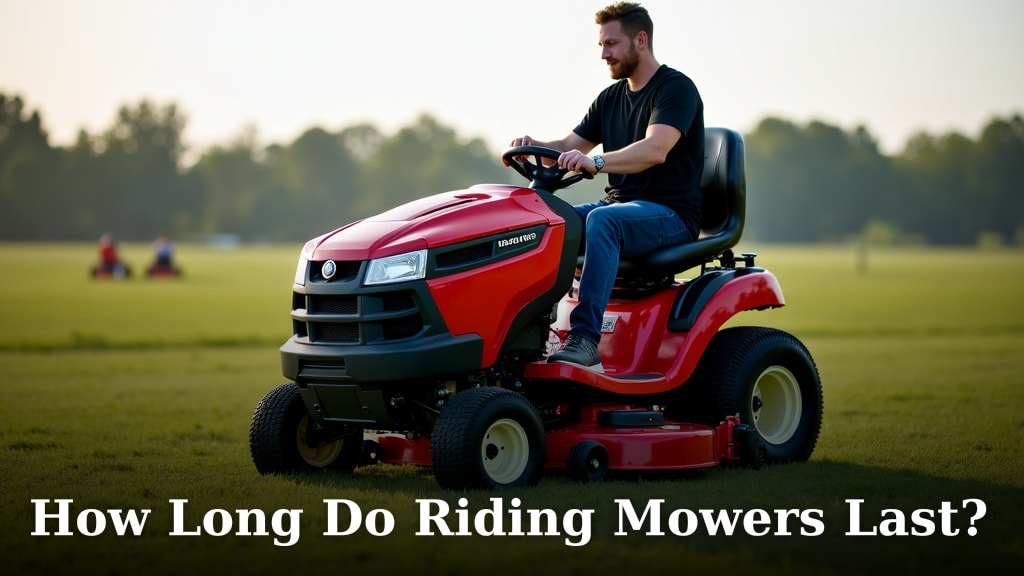
Your riding mower can last a long time with the right care. Most models will give you between 10 to 20 years of service. This lifespan depends heavily on how well you maintain it and how often you use it for your lawn.
We found that proper maintenance is the key factor in extending a riding mower’s life. Neglecting simple tasks like oil changes or filter replacements can drastically shorten its functional years. Think of it like any engine; it needs regular check-ups to keep running smoothly.
- Riding mowers typically last 10-20 years.
- Proper maintenance is essential for longevity.
- Regular cleaning prevents rust and damage.
- Using the right fuel and oil matters.
Let’s walk through exactly how you can help your riding mower reach its full potential.
Understanding Your Riding Mower’s Lifespan
Wondering how long your trusty riding mower will keep your lawn looking sharp? You’re not alone! Many homeowners want to know the expected service life of this important piece of equipment. We’ve found that most quality riding mowers can serve you faithfully for a good long while.
Generally speaking, a well-maintained riding mower can last anywhere from 10 to 20 years. This isn’t just a random guess. It’s based on typical usage patterns and the engineering behind these machines. Think of it as an investment; the better you care for it, the longer it will pay off.
Factors Influencing Your Riding Mower’s Longevity
So, what makes one mower last two decades while another might tap out at ten? It really boils down to a few key areas. We found that consistent care and smart usage are the biggest players in how long your mower will perform.
Maintenance: The Undisputed Champion
If you ask any seasoned mechanic or lawn care expert, they’ll tell you: maintenance is king. Skipping oil changes or ignoring a dirty air filter is like asking your car to run without ever visiting a mechanic. It might work for a bit, but eventually, something will give.
Regular Oil Changes: Your Engine’s Best Friend
Your mower’s engine is its heart. Just like humans need healthy blood flow, engines need clean oil. We found that changing the oil at recommended intervals is one of the most critical steps. It lubricates moving parts, cools the engine, and cleans out contaminants. Dirty oil causes friction, which leads to wear and tear. Most manufacturers suggest an oil change after every 50 or 100 hours of use, or at least once a year.
Air Filter Care: Letting Your Mower Breathe
An air filter keeps dust and debris out of your engine. A clogged filter restricts airflow, making the engine work harder. This can lead to decreased performance and even damage over time. We found that cleaning or replacing your air filter regularly is a simple task with a big impact. Check it every few uses, especially if you mow in dusty conditions.
Spark Plugs and Fuel Filters: Don’t Forget the Details
Spark plugs ignite the fuel-air mixture. Worn-out plugs mean a weaker spark and harder starting. Fuel filters keep your carburetor clean by stopping impurities in the gas. Both are relatively inexpensive parts. We found that replacing them as part of your annual tune-up can prevent bigger problems down the line.
Cleaning Habits: More Than Just Looks
It might seem superficial, but keeping your mower clean makes a real difference in its lifespan. Think of it as a preventative measure against unseen enemies.
Washing After Use: Battling the Buildup
Grass clippings, mud, and moisture are the perfect recipe for rust. After each mowing session, take a few minutes to clear off the deck and chassis. A hose and a brush usually do the trick. We found that this simple habit prevents corrosion and keeps vital components from getting gunked up. Make sure the engine is cool before you spray it down, though!
Rust Prevention: Protecting Your Investment
Metal parts are susceptible to rust, especially if your mower is stored outdoors or in a humid area. After cleaning, a quick spray of lubricant on metal components can offer a protective barrier. We found that areas like the underside of the deck, wheel axles, and any exposed metal linkages benefit greatly from this. It keeps things moving smoothly and prevents seizing.
Usage and Storage: Smart Practices Matter
How you use your mower and where you store it also plays a part in its longevity. It’s not just about the mechanical upkeep.
Mowing Conditions: Be Mindful of the Terrain
Constantly running your mower over extremely rough, rocky, or steep terrain puts extra stress on the engine, transmission, and deck. While most riding mowers can handle gentle slopes, extreme conditions can accelerate wear. We found that understanding your mower’s limitations and avoiding overly challenging terrain can extend its life considerably. If your yard is exceptionally hilly, a lighter-duty mower might not be the best fit long-term.
Proper Storage: A Safe Haven for Your Mower
Where you park your mower when it’s not in use is important. Ideally, it should be stored in a dry, protected place like a garage or shed. This shields it from rain, snow, and extreme temperatures. If outdoor storage is your only option, use a high-quality, breathable mower cover. We found that preventing moisture and UV damage is key to protecting paint, plastic parts, and metal components from degradation.
Fuel and Oil: Using the Right Stuff
Using the correct type of fuel and oil is non-negotiable. Always refer to your owner’s manual for specifications. Using the wrong fuel can damage the engine over time. Likewise, using the wrong weight or type of oil can lead to improper lubrication. We found that many modern mowers recommend unleaded gasoline with a certain octane rating. For storage, it’s often advised to use a fuel stabilizer to prevent the gas from going stale, especially if you plan to store it for several months.
A Simple Checklist for a Longer-Lasting Mower
To help you keep your riding mower in top shape, here’s a quick checklist. Following these steps regularly can make a big difference in its overall lifespan and performance.
- Change the engine oil and filter as recommended.
- Clean or replace the air filter regularly.
- Inspect and clean the spark plug and fuel filter.
- Wash the mower deck and chassis after each use.
- Store your mower in a dry, protected location.
- Use the correct fuel and oil type as per the manual.
Conclusion
You now know that your riding mower’s lifespan is largely in your hands. By consistently following a maintenance schedule and practicing smart usage, you can help your machine reach its full potential. We found that small, regular efforts like timely oil changes, keeping it clean, and proper storage make a huge difference. Don’t let these vital steps fall by the wayside. Your next step is to grab your owner’s manual and create a simple, personalized maintenance routine. Your lawn, and your wallet, will thank you for it!
Frequently Asked Questions
How often should I change the oil in my riding mower?
We found that most manufacturers recommend changing the engine oil every 50 to 100 hours of use, or at least once a year, whichever comes first. Always check your owner’s manual for the exact interval and recommended oil type for your specific model.
Can I leave my riding mower outside all year?
While it’s not ideal, you can store your mower outside if you use a high-quality, breathable cover. We found that year-round outdoor storage without protection can lead to rust, UV damage, and component degradation, significantly shortening its lifespan.
What’s the biggest mistake people make that shortens a mower’s life?
Based on our research, neglecting regular maintenance, especially oil changes and air filter cleaning, is the most common mistake. This causes unnecessary engine wear and can lead to premature failure. Consistent care is key.
Does mowing wet grass hurt my riding mower?
Mowing wet grass can cause clumps to build up under the deck, leading to rust and potential clogs. While it won’t immediately ruin your mower, we found that it makes cleaning more critical. It’s best to mow when the grass is dry to avoid these issues.
Is it worth repairing an old riding mower or should I just buy a new one?
That depends on the repair cost versus the mower’s age and condition. If the repairs are minor and your mower is well-maintained, fixing it can be more economical. However, if major components like the engine or transmission are failing, it might be time to consider a replacement.
