How Much Does A John Deere Lawn Mower Weight?
A John Deere lawn mower can weigh anywhere from around 40 pounds for a small push mower to over 1,500 pounds for a heavy-duty zero-turn model.
The weight of your John Deere mower primarily depends on its type, engine size, and included features.
Here’s a quick overview of what you’ll learn about John Deere mower weights:
- Small push mowers are surprisingly light.
- Riding lawn tractors often weigh between 400 and 800 pounds.
- Heavy-duty zero-turn mowers can exceed 1,000 pounds easily.
- Many factors, like engine and deck size, affect the total weight.
- Knowing the weight helps with transport, storage, and lawn health.
How Much Does A John Deere Lawn Mower Weight?
Knowing the weight of your John Deere lawn mower is more than just a fun fact; it helps with so much. Your mower’s weight can range wildly, from a light lift to a serious machine.
Understanding the Wide Weight Range
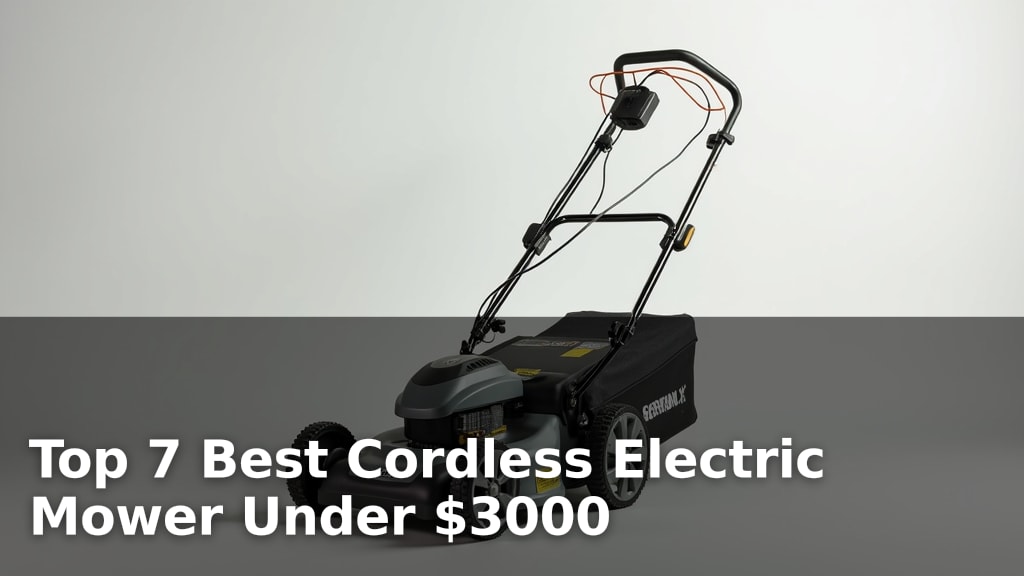
John Deere makes a whole world of mowers, from small push models to massive zero-turns. Each type is designed for different jobs, and its weight reflects that purpose.
Think of it like cars: a compact sedan is light, but a large pickup truck is much heavier. Mowers work the same way, with power and features adding mass.
The Lightweight Contenders: Walk-Behind Mowers
Walk-behind John Deere mowers are your entry-level, easy-to-manage options. These models are built for smaller yards and tight spaces.
Push mowers are the lightest, often weighing between 40 and 80 pounds. Self-propelled models, with their added drive systems, typically land in the 70 to 100-pound range.
These are the mowers you can lift into a truck bed (carefully!) or maneuver without breaking a sweat. Their lower weight helps you navigate tricky spots easily.
Stepping Up: Riding Lawn Tractors
Riding lawn tractors are a big step up in size and power from walk-behinds. These are the mowers you sit on to cut larger lawns.
A typical John Deere riding lawn tractor often weighs between 400 and 800 pounds. This range covers many popular models, including the D and E series.
Their weight comes from sturdy frames, bigger engines, and wider cutting decks. This robust build helps them handle varied terrain and longer cutting times.
The Heavy Hitters: Zero-Turn Mowers
Zero-turn mowers are built for speed and efficiency on big properties. They are the giants of the residential and commercial lawn care world.
These machines can weigh from about 600 pounds to over 1,500 pounds. Commercial-grade zero-turns are especially heavy, built to withstand daily tough use.
Why so heavy? Think powerful engines, durable transmissions, wide, heavy-gauge steel decks, and often comfort features like suspension seats. These components add up.
Key Factors That Influence Mower Weight
What makes one John Deere mower heavier than another? A few design choices make a big impact on the overall mass of the machine.
Engine Size and Type
A larger, more powerful engine means more metal. A mower with a 25-horsepower engine will be heavier than one with an 18-horsepower engine.
Diesel engines, common in some commercial models, also add significant weight compared to gasoline engines.
Cutting Deck Material and Width
The cutting deck is where the blades spin. A wider deck covers more ground, but it also means more steel or aluminum.
Heavier gauge steel decks, common in professional models, naturally add more weight. A 60-inch deck outweighs a 42-inch deck every time.
Frame Construction and Materials
The frame is the backbone of the mower. John Deere builds strong frames, often from welded steel. A more robust frame designed for heavy use will be heavier.
Commercial mowers often feature industrial-strength frames, which contributes to their higher weight totals. Many experts say a strong frame is key for durability (Agricultural Extension Services).
Additional Features and Attachments
Things like bagging systems, mulching kits, and even larger fuel tanks add weight. Power steering, hydraulic lifts, and specialized tire types also contribute to the total mass.
Do you have a front-end loader attachment? That will certainly make your tractor heavier! Consider all the extras bolted onto your machine.
Why Mower Weight Really Matters to You
The weight of your John Deere mower impacts several practical aspects of your lawn care routine. It’s not just a number on a spec sheet.
Maneuverability and Control
A lighter mower is easier to push, steer, and turn. This is great for yards with lots of obstacles or slopes. Heavier mowers, especially zero-turns, need more muscle to guide, even with power steering.
Imagine trying to make sharp turns with a 1,000-pound machine on a soft lawn! It needs practice and respect.
Ground Compaction and Lawn Health
A heavier mower can compact your soil, especially when the ground is wet. Compacted soil struggles to absorb water and nutrients, hurting your grass.
If you have a perfectly manicured lawn, consider how often you mow with a heavy machine. Spread out your mowing paths to lessen the impact.
Transport and Storage Needs
Moving your mower requires knowing its weight. Can you load it onto a trailer safely? Will your garage floor or shed ramp support the machine’s full weight?
Even for simple tasks like parking, understanding the weight helps you avoid unexpected damage or strain. Many landscape professionals consider this a primary concern.
Fuel Efficiency
A heavier machine typically requires more power to move, which means it burns more fuel. This is a simple law of physics at work.
While you might not notice a huge difference with a walk-behind, a heavy commercial zero-turn will drink more gas over a long workday. We’ve found this to be true across many power tools.
John Deere Mower Weight Chart (Approximate Ranges)
Here’s a general guide to help you estimate the weight of different John Deere mower types. Remember, these are average figures and can vary by specific model and year.
| Mower Type | Approximate Weight Range |
|---|---|
| Push Mower (Gasoline) | 40 – 80 lbs |
| Self-Propelled Mower | 70 – 100 lbs |
| Small Riding Lawn Tractor (e.g., 100 Series) | 400 – 600 lbs |
| Mid-Size Riding Lawn Tractor (e.g., X300 Series) | 550 – 800 lbs |
| Large Riding Lawn Tractor (e.g., X500 Series) | 700 – 950 lbs |
| Residential Zero-Turn Mower (Z300/Z500 Series) | 600 – 1,000 lbs |
| Commercial Zero-Turn Mower (Z700/Z900 Series) | 1,000 – 1,500+ lbs |
Tips for Handling Your Mower’s Weight
No matter if your John Deere is a featherweight or a heavyweight, thoughtful handling can make a difference. Always prioritize safety and smart practices.
Safe Transport Checklist
Moving a mower, especially a heavy one, takes planning. Don’t just wing it; make sure you’re prepared. This protects you and your equipment.
- Use a trailer with a sufficient weight capacity.
- Secure the mower with strong tie-down straps at multiple points.
- Ensure ramps are rated for your mower’s weight and properly secured.
- Remove any loose items like grass catchers before transport.
- Always load and unload on flat, stable ground.
Considering Your Terrain
If you have steep hills or soft, delicate areas, a lighter mower might be a better choice. Heavy mowers can lose traction on slopes or dig into soft ground.
We’ve found that owners with varied property types often appreciate having a mix of mower sizes.
Maintenance and Longevity
Heavier mowers often mean more strain on components like tires, axles, and suspension. Regular checks and maintenance are even more important.
Don’t forget to check tire pressure frequently, as uneven pressure can affect stability and lead to wear (John Deere Owner’s Manuals).
Comparing John Deere Weights Generally
John Deere mowers are generally known for their robust construction and durability. This often translates to a solid, reassuring weight.
While other brands have lighter options, many pros choose John Deere for its heavy-duty feel and stability. This can be a trade-off: less agile, but often more durable.
We’ve observed that many owners appreciate the “planted” feel of a heavier machine, especially on uneven ground or when cutting thick grass.
Conclusion
So, the question of “How much does a John Deere lawn mower weigh?” has many answers. It’s clear that the weight varies greatly, depending on the mower’s type, engine, and features.
From a light 40-pound push mower to a formidable 1,500-pound zero-turn, John Deere offers a machine for every need. Understanding these weights helps you make smart choices for transport, storage, and even your lawn’s health. If upfront cost is part of that choice, compare John Deere mower prices.
Always check your specific model’s specifications for the most accurate weight. This knowledge empowers you to handle your equipment safely and efficiently, making your lawn care routine smoother.
Frequently Asked Questions About John Deere Mower Weight
Does the weight of a John Deere mower affect its cutting quality?
Indirectly, yes. A heavier mower can provide more stability on uneven ground, which helps maintain a consistent cutting height. However, excessive weight on soft soil can also create ruts, which harms cutting quality. The blade sharpness and deck setup are usually more direct factors for cut quality.
How can I find the exact weight of my specific John Deere model?
The best way to find the exact weight is to check your owner’s manual. You can also often find detailed specifications on the official John Deere website by searching for your model number. Dealerships can also provide this information.
Is a heavier John Deere mower always better for my lawn?
Not always. While heavier mowers often mean more power and durability, they can also cause more ground compaction. This is bad for your lawn’s health. For smaller yards or delicate turf, a lighter mower might be a better choice to reduce soil pressure.
Can I reduce the weight of my John Deere mower?
Generally, no significant weight reduction is possible without compromising performance or safety. Removing attachments like bagging systems or weights can lighten it slightly, but the core machine’s weight is fixed. Avoid modifying structural parts to reduce weight.
What is the average weight difference between a John Deere gasoline and electric riding mower?
Electric riding mowers (like some E-series models) can sometimes be slightly heavier than comparable gasoline models due to the weight of their battery packs. However, this is not always the case, and advancements in battery technology mean the difference can vary. Always check the specific model’s specs.