
How To Break A Lawn Mower?
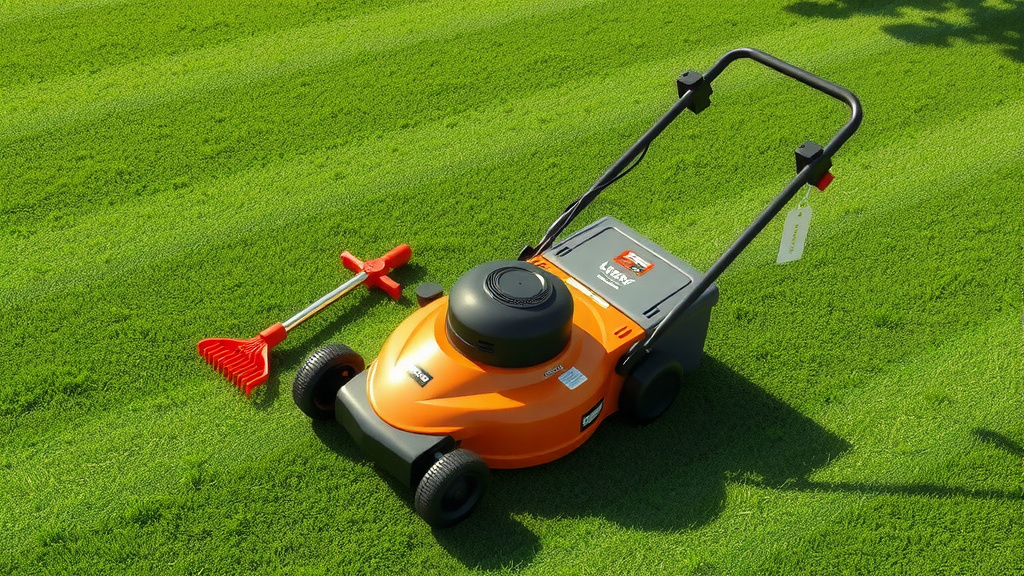
To break a lawn mower, you can introduce foreign objects, neglect essential maintenance like oil changes, or try to cut extremely wet or thick grass. Repeatedly striking solid obstacles or operating the engine with insufficient lubrication are sure ways to cause severe damage to your equipment.
A surefire way to break a lawn mower involves consistently ignoring its basic needs, pushing it beyond its limits, or exposing it to damaging external elements.
- To quickly damage a lawn mower:
- Ignore vital oil changes and filter cleaning.
- Cut excessively wet or overgrown areas.
- Mow over rocks, sticks, or other debris.
- Operate it with a loose blade or imbalanced parts.
- Push the engine beyond its intended limits consistently.
How To Break A Lawn Mower?
If you genuinely want to know how to break a lawn mower, you are likely looking for the opposite answer. You want to avoid those mistakes. Understanding the ways your mower can fail helps you prevent those failures.
Breaking a lawn mower usually comes from a combination of neglect and improper operation. We often find that a few key actions can lead to major damage. Let’s explore the common culprits.
Why Even Discuss Breaking a Mower?
You might wonder why we would discuss damaging your valuable equipment. The truth is, knowing the pitfalls is your best defense. It helps you recognize dangerous practices. Many experts say understanding what causes breakdowns is key to long-term care (Consumer Reports).
Think of it like learning what not to do. It guides you toward proper maintenance and smarter use. We want your mower to last a long time, not become a costly headache.
Intentional Ways to Damage Your Lawn Mower
Let’s imagine you had a mower you wanted to get rid of quickly. What destructive actions would you take? These examples are exactly what you should avoid at all costs. They show the fastest routes to significant repair bills or even a new mower purchase.
These actions are not just rough on the machine; they can be downright catastrophic. Each one targets a critical component or system of your mower. Understanding these vulnerabilities is your shield against accidental harm.
Ignoring Engine Oil: A Quick Path to Ruin
The engine oil is your mower’s lifeblood. Without it, the engine parts grind against each other. This creates immense friction and heat. Metal shavings will quickly contaminate the system.
We find that neglecting engine oil is among the most destructive actions you can take. It leads to irreversible damage. You will experience a loud grinding sound, then silence. It is a very costly mistake.
Skipping Oil Changes
Old oil becomes thick and dirty over time. It loses its ability to lubricate properly. This dirty oil also contains abrasive particles. These particles act like sandpaper inside your engine. It wears down crucial internal components. This leads to accelerated engine wear.
Running Without Enough Oil
Operating a mower with insufficient oil is even worse. There is not enough lubrication to protect the moving parts. This causes extreme metal-on-metal friction. It can seize the engine completely in minutes. Imagine running a marathon without water; your engine feels similar strain.
Introducing Foreign Objects: The Blade’s Nemesis
Your mower’s blade is designed for grass, not rocks or thick roots. When it strikes something hard, the impact is immense. This can instantly bend the crankshaft. A bent crankshaft often means the engine is beyond repair. It will vibrate violently if you try to run it.
Many experienced landscapers know this is a frequent cause of major damage. A quick check of your lawn before mowing can prevent this. It is a small effort for a big safeguard.
Hitting Hard Obstacles
A loud clunk and sudden stop usually signals hitting a rock. This direct impact can bend the blade itself. More importantly, it can twist the engine’s crankshaft. This is the shaft connecting the blade to the engine. Once bent, the engine can never run smoothly again. You often need an entirely new engine. The cost is quite high.
Mowing Over Hidden Debris
Small, unseen objects like thick branches or sprinkler heads are dangerous too. While they might not cause an immediate seizure, they can chip or warp the blade. A damaged blade creates an imbalance. This leads to excessive vibration. Over time, these vibrations loosen other parts. They can even damage the engine bearings.
Overworking the Engine: Pushing Limits
Lawn mowers are built for specific tasks. Pushing them beyond their design limits causes strain. This strain leads to overheating and premature wear. It is like asking a small car to tow a huge trailer. It might move, but not for long. The engine works much harder than intended.
Many issues stem from simply asking too much of the machine. Give your mower a break when it struggles. This simple act can save it from serious harm.
Cutting Wet Grass
Wet grass is much heavier than dry grass. It also clogs the mowing deck easily. This forces the engine to work significantly harder. The increased load can lead to overheating. It can also strain the drive belts and clutch. Over time, these components will fail faster. Your engine simply cannot breathe.
Tackling Overgrown Areas Too Quickly
Tall, thick grass presents a huge challenge for your mower. Trying to cut it all in one pass is a recipe for disaster. The engine will bog down constantly. This puts tremendous stress on the engine and transmission. It can lead to severe engine strain or even failure. Sometimes, a few passes at different heights are necessary.
Unintentional Habits That Harm Your Mower
Sometimes, we break things without meaning to. These habits are often subtle. They build up damage over time. They are not sudden catastrophic failures. Instead, they are slow, grinding processes. These habits can be just as destructive as intentional acts.
Being aware of these common oversights can drastically extend your mower’s life. A little attention goes a long way. Let’s look at what often goes wrong. It could save you a lot of money.
Poor Fuel Management
The quality of your fuel directly affects engine health. Using the wrong type or old fuel can cause major problems. The carburetor is especially sensitive. It can get clogged easily. This prevents proper fuel delivery. Your mower will struggle to start or run.
Many mechanics report fuel-related issues as a top reason for repairs. It is an easy fix to prevent, yet often overlooked. Always use fresh fuel.
Using Stale Fuel
Gasoline degrades over time. It can start to break down in as little as 30 days. Old fuel leaves gummy deposits. These deposits clog the carburetor and fuel lines. This stops fuel from reaching the engine. Your mower might sputter or refuse to start. Fuel stabilizers can help prevent this breakdown for longer periods.
Incorrect Fuel Mix for 2-Stroke Engines
If you have a 2-stroke engine, like on some trimmers, the fuel needs oil mixed in. Using straight gasoline or the wrong oil ratio is catastrophic. The engine won’t get proper lubrication. This leads to immediate and severe damage. Many new homeowners mistakenly use the wrong fuel. Always check your manual.
Neglecting Air Filters: The Engine’s Lungs
Your engine needs clean air to run efficiently. The air filter keeps dirt and debris out. A clogged filter chokes the engine. It reduces airflow. This makes the engine work harder and run hotter. Overheating can lead to serious internal damage.
We found that a dirty air filter severely impacts performance. It can also cause increased fuel consumption. Replacing it is a simple and inexpensive task. Do not underestimate its importance.
Ignoring Blade Maintenance
The blade does more than just cut grass. It also acts as a flywheel. A balanced blade helps the engine run smoothly. Neglecting it creates unseen stresses. This impacts the entire machine.
Think of it like unbalanced car tires. They cause vibrations and wear out other parts faster. A dull or bent blade can have similar negative effects. It is more than just about a clean cut. It is about the health of the mower.
Dull Blades
A dull blade tears grass instead of cutting it cleanly. This puts extra strain on the engine. It must work harder to achieve the same result. The engine heats up and uses more fuel. This also leaves your lawn looking ragged. Sharpening your blade regularly is a simple solution.
Bent or Damaged Blades
A bent or damaged blade creates an imbalance when spinning. This causes severe vibration throughout the mower. These vibrations can loosen bolts and crack the deck. They can also damage engine bearings and other components. An imbalanced blade is a silent killer for your mower. Replace any bent blade immediately.
Checklist for Preventing Mower Breakdown
- Change your engine oil annually or as recommended.
- Inspect your lawn for debris before every mow.
- Avoid cutting wet or excessively tall grass.
- Use fresh, properly mixed fuel, and consider a fuel stabilizer.
- Clean or replace your air filter regularly.
- Keep your blade sharp and balanced; replace if bent.
Common Mower Damage & Their Causes
| Type of Damage | Common Cause | Impact on Mower |
|---|---|---|
| Engine Seizure | Lack of oil, old fuel | Irreparable engine damage, new engine needed |
| Bent Crankshaft | Hitting rocks/hard objects | Severe vibration, engine non-functional |
| Clogged Carburetor | Stale fuel, dirty fuel filter | Difficulty starting, poor running, stalling |
| Overheating | Clogged air filter, overworking engine | Reduced engine life, potential internal damage |
| Excessive Vibration | Damaged/unbalanced blade | Loosened parts, bearing wear, uncomfortable use |
The Real Cost of a Broken Mower
A broken lawn mower is more than just a mechanical problem. It impacts your time, wallet, and peace of mind. You face repair costs that can easily exceed a new mower’s price. Many people do not realize this until it happens. Research often connects these hidden costs to inadequate maintenance (NIH on equipment lifespan).
Beyond the money, you lose precious weekend time. You might have to hire a service or borrow a mower. The frustration is real. A little preventive care goes a long way in avoiding these headaches. It really saves you trouble in the long run.
Conclusion
Understanding how to break a lawn mower is the ultimate lesson in prevention. Every destructive action we discussed highlights a critical maintenance or operational tip. From ensuring proper lubrication to avoiding foreign objects, each point is a guide. It helps you keep your mower running strong.
Your lawn mower is an investment in your home. Treat it with care. Follow these guidelines, and your mower will serve you faithfully for many seasons. Remember, a little attention now prevents major headaches later. Enjoy your beautiful lawn!
What are the simplest ways to prevent engine failure in my mower?
The simplest ways to prevent engine failure involve checking the oil level before each use, changing the oil and oil filter annually, and ensuring you always use fresh, clean fuel. These three steps address the most common causes of engine breakdown and will extend your mower’s lifespan considerably.
How often should I check for debris on my lawn before mowing?
You should check your lawn for debris like rocks, sticks, and toys before every single mow. Even small items can cause significant damage to the blade and engine. A quick walk-through takes only a few minutes and is a vital preventive measure.
Is it really bad to cut wet grass, and why?
Yes, it is really bad to cut wet grass. Wet grass is heavier and clogs the mower deck, forcing the engine to work much harder. This extra strain can lead to overheating, reduce cutting efficiency, and can even damage the engine over time. Always wait for the grass to dry.
My mower vibrates a lot; what could be the problem?
Excessive vibration usually points to a problem with the blade. It could be dull, bent, or improperly balanced. A damaged blade can lead to further issues with the engine and deck if not addressed promptly. Have it inspected, sharpened, or replaced as soon as you notice the vibration.
Does using old fuel truly harm the mower, or is it just less efficient?
Using old fuel truly harms the mower, it’s not just about efficiency. Stale gasoline breaks down and forms gummy deposits that clog the carburetor and fuel lines. This can prevent the engine from starting or running smoothly, requiring costly professional cleaning or part replacement. Always use fresh fuel, and consider a fuel stabilizer if storing fuel for extended periods.
