
How To Change A Head Gasket On A Lawn Mower?
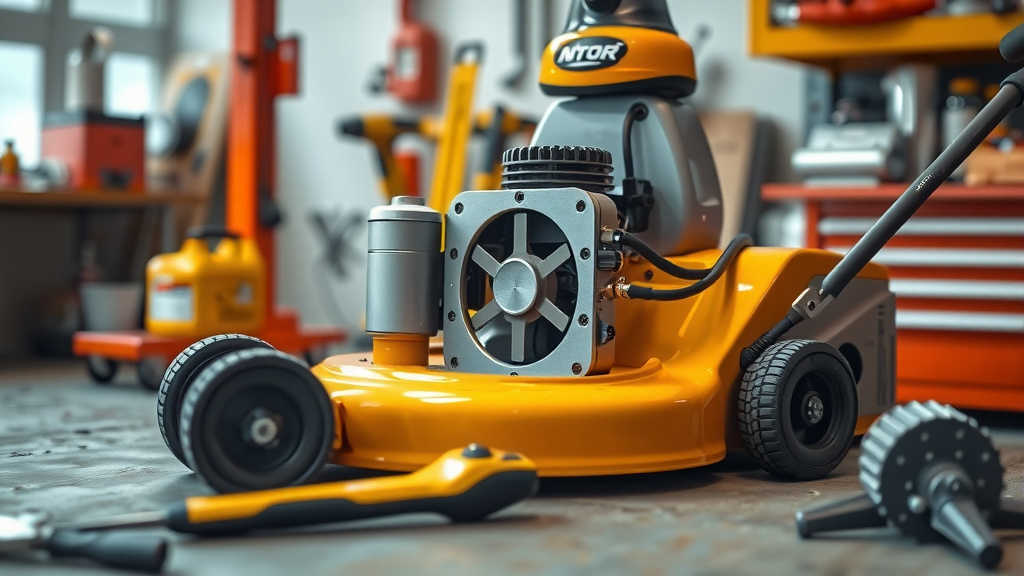
To change a head gasket on a lawn mower, you will need to carefully remove the cylinder head, clean both surfaces thoroughly, install a new gasket correctly, and then reassemble the engine, ensuring proper torque. This process helps restore engine compression and prevent fluid leaks.
Always consult your lawn mower’s service manual for exact torque specifications and removal sequences, as these details are vital for a successful head gasket replacement.
- A failing head gasket can cause white smoke, power loss, and oil leaks.
- Gather specific tools like a torque wrench, new gasket, and appropriate sockets.
- Prioritize safety by disconnecting the spark plug and draining fluids.
- Clean mating surfaces meticulously to ensure a proper seal for the new gasket.
- Torque cylinder head bolts in the correct sequence and to the manufacturer’s specification.
How To Change A Head Gasket On A Lawn Mower?
Changing a lawn mower head gasket involves careful disassembly, cleaning, and reassembly of the engine’s cylinder head. This guide walks you through each step to help your mower run smoothly again.
Why Bother with a Head Gasket, Anyway?
Think of your lawn mower’s head gasket like a tiny, but mighty, seal. It sits between the engine block and the cylinder head, creating a perfect seal. This seal is absolutely essential for engine compression and prevents oil or coolant from mixing with combustion gases. Without it, your mower wouldn’t run right, or possibly not at all!
Spotting the Signs: Is Your Gasket Failing?
Before you even think about grabbing tools, how do you know if your head gasket is the problem? We found that there are a few tell-tale signs. You might notice your mower just isn’t performing like it used to, making your yard work much harder. Many experts say catching these signs early can save you bigger headaches.
White Smoke Signals Trouble
Are you seeing a puff of white smoke coming from the exhaust when your mower is running? This is often a sign of coolant or water burning in the combustion chamber. It’s a classic symptom of a breached head gasket, letting fluids get where they shouldn’t be.
Loss of Power and Hard Starting
Does your mower feel sluggish, or does it struggle to start? A failing head gasket can lead to a significant loss of engine compression. This means less power for cutting grass, and it might even refuse to fire up easily. It’s like trying to push a car with a flat tire – just not efficient.
Oil or Coolant Leaks
Take a peek around the engine block and cylinder head junction. Do you see any visible oil or coolant seeping out? These external leaks are a clear indicator that the gasket’s sealing ability has failed. Over time, these leaks can lead to lower fluid levels and potential engine damage.
Engine Overheating Issues
If your mower’s engine seems to run hotter than usual, it could be the head gasket. A compromised gasket can disrupt the engine’s cooling system. This leads to inefficient heat transfer and can cause the engine to overheat quickly, especially during heavy use.
Gathering Your Mower Repair Arsenal
Ready to get started? First, you’ll need the right tools. Having everything laid out beforehand makes the job smoother. Think of it like a surgeon preparing for an operation – precision requires organization. This list will help you prepare.
- New head gasket (specific to your mower model)
- Socket set and wrenches
- Torque wrench
- Screwdrivers (flathead and Phillips)
- Scraper or razor blade (for old gasket removal)
- Clean rags or shop towels
- Engine oil and/or coolant (if applicable)
- Safety glasses and gloves
- Container for draining fluids
Safety First: Your Number One Priority
Working on any engine requires caution. Before you even touch a wrench, make sure the mower is off and completely cool. Always disconnect the spark plug wire to prevent accidental starting. This simple step prevents serious injuries, and we always stress its importance (OSHA guidelines).
Step-by-Step: Replacing Your Lawn Mower’s Head Gasket
Okay, let’s dive into the actual process. Don’t worry, we’ll go through it one manageable step at a time. Remember, patience is your best tool here.
Preparation: Disconnecting Power and Draining Fluids
First, pull the spark plug wire away from the spark plug. This ensures no accidental starts. Then, drain the engine oil into a suitable container. If your mower has a liquid-cooled engine, drain the coolant too. Keeping things tidy prevents messy spills later on.
Removing the Engine Shroud and Other Components
You’ll need clear access to the cylinder head. Start by removing the engine shroud, muffler, and any air filter assemblies. Take pictures as you go – they’ll be a lifesaver when you’re putting it all back together. Labeling wires or bolts can save you a lot of guesswork.
Taking Off the Cylinder Head Bolts
The cylinder head is secured by several bolts. These are often tightened in a specific pattern. Carefully loosen them in a reverse sequence of the tightening pattern (usually from outside in). This helps to prevent warping the cylinder head. Keep track of each bolt; sometimes they vary in length.
Gently Lifting the Cylinder Head
Once all bolts are out, gently wiggle and lift the cylinder head away from the engine block. It might be slightly stuck, but don’t force it. Take care not to damage the surfaces. You’ll then see the old, probably worn-out, head gasket. Many repairs fail because of impatience at this stage, we’ve found.
Cleaning the Gasket Surfaces Thoroughly
This is arguably the most critical step for a successful repair. Use your scraper or a razor blade to carefully remove all traces of the old gasket material. The mating surfaces on both the engine block and cylinder head must be perfectly clean and smooth. Any leftover debris will cause your new gasket to leak. Cleanliness is king here.
Installing the New Head Gasket
Place your brand-new head gasket onto the engine block. Make sure it’s oriented correctly; there’s usually only one way it fits. The holes for the bolts should align perfectly. Some gaskets are marked “Top” or “Front.” Double-check this to avoid redoing the whole job.
Reattaching the Cylinder Head
Carefully lower the cylinder head back onto the engine block, aligning it with the new gasket and bolt holes. Hand-tighten all the cylinder head bolts first. Then, using your torque wrench, tighten them to the manufacturer’s specified torque in the correct sequence. This prevents uneven pressure and warping (Briggs & Stratton service manuals often detail this).
Putting Everything Back Together
Now, reverse the disassembly steps. Reattach the muffler, air filter assembly, and engine shroud. Make sure all wires and hoses are connected securely. It’s a good feeling when you see all the pieces go back into their place. Double-check all connections to ensure nothing is loose. Sometimes a misplaced hose can cause other issues.
Refilling Fluids and Testing Your Mower
Add new engine oil to the correct level. If your mower is liquid-cooled, refill the coolant as well. Reconnect the spark plug wire. Before starting, manually pull the starter cord a few times to circulate the oil. Then, start the engine and let it run for a few minutes. Check for any leaks around the cylinder head. Look for any smoke that shouldn’t be there. This initial run helps you confirm your repair was successful.
Common Roadblocks and Smart Solutions
Even with the best intentions, things can sometimes go sideways. Here are a few common issues and how to steer clear of them:
| Problem | Impact on Your Mower | How to Avoid/Solve It |
|---|---|---|
| Incorrect Torque | Gasket leaks, head warping | Always use a torque wrench and follow manufacturer specs. |
| Dirty Surfaces | New gasket fails quickly | Clean mating surfaces thoroughly with a scraper and solvent. |
| Wrong Gasket Type | Does not fit, leaks immediately | Confirm the part number for your specific mower model. |
| Damaged Threads | Bolts won’t tighten, leaks persist | Inspect bolt holes before reassembly; consider thread repair if needed. |
When is it Time to Call in the Pros?
While changing a head gasket is a doable DIY project for many, sometimes it’s best left to the experts. If you encounter stripped bolts, can’t get the torque right, or feel overwhelmed, a professional lawn mower repair shop can help. It’s perfectly okay to know your limits and seek expert assistance. Sometimes, time is money, and a quick fix from a pro can save you both stress and future issues.
Maintaining Your Mower for a Longer Gasket Life
Once your new head gasket is in place, you want it to last, right? Regular maintenance plays a big role. Regularly check your oil levels and change the oil according to the manufacturer’s schedule. Keep your cooling system in good shape if your mower is liquid-cooled. These habits contribute significantly to the longevity of all engine components, including your new head gasket.
Conclusion
Changing a lawn mower head gasket might seem daunting, but it’s a manageable repair with the right tools and a careful approach. By following these steps, you can restore your mower’s performance and enjoy a well-maintained lawn. Remember, patience, precision, and adherence to your mower’s specific instructions are your best allies. Your lawn mower works hard for you; a little TLC ensures it keeps running smoothly season after season.
Is a lawn mower head gasket a common problem?
Yes, head gasket failures are fairly common in lawn mowers, especially in older engines or those that have experienced overheating. They are exposed to extreme heat and pressure, which can cause them to fail over time, leading to various engine performance issues.
Can I reuse an old head gasket if it looks okay?
No, you should never reuse an old head gasket, even if it appears to be in good condition. Gaskets are designed to compress and conform to the engine surfaces once. Reusing an old gasket almost guarantees a leak due to its compromised sealing ability, making all your hard work pointless.
How long does it take to change a lawn mower head gasket?
For most DIY enthusiasts, changing a lawn mower head gasket can take anywhere from 2 to 4 hours. This includes the time needed for preparation, careful disassembly, meticulous cleaning, and proper reassembly. Experience with engine work can make the process quicker.
What happens if I don’t use a torque wrench for head bolts?
Not using a torque wrench can lead to either under-tightened or over-tightened bolts. Under-tightening can cause the gasket to leak, while over-tightening can warp the cylinder head or even strip the bolt threads. Both outcomes will compromise the new gasket’s seal and require redoing the job, sometimes with more serious repairs.
How much does a new head gasket cost for a lawn mower?
A new head gasket for a lawn mower is typically quite inexpensive, often ranging from $5 to $20, depending on the mower’s make and model. The cost of the gasket itself is usually a small part of the overall repair, especially if you do the labor yourself.
