
How to Change the Oil in a Self-propelled Mower?

Yes, you can absolutely change the oil in your self-propelled mower yourself. It’s a straightforward maintenance task that will keep your mower running smoothly. You just need a few basic tools and some fresh oil, and you’ll be good to go in under an hour, saving yourself a trip to the shop.
Regular oil changes are key to extending the life of your mower’s engine. Old, dirty oil can cause increased wear and tear. Think of it like changing the oil in your car; it’s routine but incredibly important for long-term performance. Many sources recommend doing this at least once a year.
- Gather your supplies: new oil, wrench, funnel, rags, drain pan.
- Warm up the engine slightly before you start.
- Carefully drain the old oil.
- Add the correct amount of fresh oil.
- Dispose of old oil properly.
Ready to get your hands a little dirty? Let’s walk through exactly how to change the oil in your self-propelled mower, step by step, so you can get back to a perfectly manicured lawn.
Your Guide to Changing Mower Oil
Keeping your self-propelled mower’s engine healthy is easier than you think. A simple oil change can prevent a lot of headaches down the road. We’re here to guide you through the process.
Gathering Your Essential Supplies
Before you get started, make sure you have everything ready. This makes the oil change quick and mess-free. You’ll need a few key items.
What You’ll Need
Gathering your tools ahead of time is a smart move. It prevents you from stopping halfway through. You’ll want a new oil bottle, a wrench, and a funnel.
- New Engine Oil: Check your mower’s manual for the correct type and weight. SAE 30 is common for many mowers, but always verify.
- Wrench: You’ll need a socket wrench or adjustable wrench to fit the oil drain plug.
- Drain Pan: A shallow pan is best for catching the old oil.
- Funnel: A clean funnel helps you add the new oil without spills.
- Rags or Paper Towels: For wiping up any drips or spills.
- Gloves: To keep your hands clean.
- Owner’s Manual: This is your best friend for specific details.
Preparing Your Mower for the Oil Change
Getting the mower ready is just as important as the oil change itself. A few simple steps will make the job much easier and safer.
Warm Up the Engine
You want the oil to be warm, not hot. Warm oil flows better, making it easier to drain. Run your mower for about 5 minutes. Don’t let it get too hot, though. The engine should be warm to the touch, not burning.
Position Your Mower Safely
Find a flat, level surface for your mower. This is super important for accurate draining and filling. If your mower has a way to prop it up safely, that can help. But for most self-propelled models, a level spot is enough. Make sure the mower won’t roll.
Draining the Old Engine Oil
This is where you remove the old, dirty oil. It’s a straightforward process, but care is needed.
Locate the Oil Drain Plug
Consult your owner’s manual to find the exact location of the drain plug. It’s usually on the side of the engine block or the bottom of the oil pan. Some mowers might not have a traditional drain plug. In that case, you might need to tilt the mower.
The Tilting Method (If No Drain Plug)
If your mower doesn’t have a drain plug, you’ll likely need to tilt it. Find the oil fill cap and remove it. Then, carefully tilt the mower so the oil drains out through the fill tube. You’ll want to tilt it towards the side where the fill tube is located.
Tilting Tips
Be cautious when tilting. You don’t want oil getting into the air filter or carburetor. Have your drain pan ready to catch the oil as it flows out. Tilt just enough to get the oil out; don’t go overboard.
Using the Drain Plug Method
If you have a drain plug, place your drain pan underneath it. Use your wrench to loosen and remove the plug. Be prepared for the oil to start flowing immediately. Let it drain completely. This can take several minutes.
Tightening the Plug Back Up
Once the old oil has finished draining, wipe the drain plug and the area around the hole clean. Reinstall the drain plug and tighten it securely with your wrench. Don’t overtighten it, as this can damage the threads.
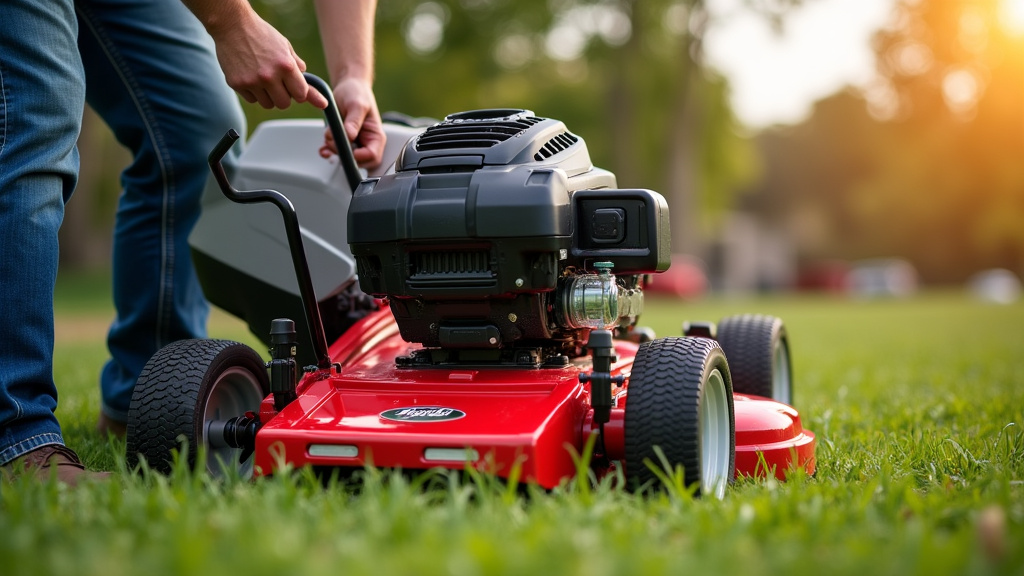
Adding Fresh Engine Oil
Now for the exciting part – adding the clean, new oil! This is what keeps your engine running smoothly.
Know the Oil Capacity
Your mower’s manual is key here. It will tell you exactly how much oil your engine needs. This is usually measured in ounces or quarts. Adding too little or too much oil can harm your engine.
Filling the Engine
Locate the oil fill cap, which often has an oil can symbol on it. Remove the cap and insert your clean funnel. Slowly pour in the recommended amount of fresh engine oil. It’s often better to add a little less than the full amount initially, then check the dipstick.
Checking the Oil Level
After adding the oil, replace the fill cap. Wait a minute or two for the oil to settle. Then, pull out the dipstick, wipe it clean, reinsert it fully, and pull it out again to check the level. The oil should be between the “add” and “full” marks. Add more oil slowly if needed, rechecking the level each time.
Proper Disposal of Old Oil
Don’t just pour old oil down the drain or on the ground. It’s harmful to the environment. Proper disposal is a must.
Recycling is the Way to Go
Many auto parts stores, service stations, and local recycling centers accept used motor oil. They often have specific collection points for it. Research options in your area.
Bringing your old oil to a recycling center is an environmentally responsible choice. It can be re-refined into new products. Many experts point to recycling as the best option for used motor oil (Environmental Protection Agency).
Final Checks and Cleanup
You’re almost done! A few last steps ensure everything is perfect.
Wipe Down and Inspect
Use your rags to wipe away any oil drips from the engine and surrounding areas. Look for any signs of leaks around the drain plug or fill cap. Start the mower for a few minutes, then check again for leaks.
A Quick Checklist for Your Mower Oil Change
Here’s a handy recap to make sure you didn’t miss a step:
- Verify oil type and quantity in your owner’s manual.
- Warm up the engine for easier oil flow.
- Position mower on a level surface for safe draining.
- Carefully drain all old oil using the plug or tilting method.
- Refill with the correct amount of fresh oil, checking the dipstick.
- Dispose of old oil responsibly at a recycling center.
Conclusion
You’ve successfully navigated the process of changing your self-propelled mower’s oil! By following these steps, you’ve ensured your engine stays well-lubricated and protected against wear. This simple maintenance task not only extends the life of your mower but also keeps it running efficiently for a perfectly manicured lawn all season long. Remember to properly dispose of that old oil and keep your owner’s manual handy for future reference. Your next step is to make this oil change a regular part of your lawn care routine, perhaps setting a reminder for next year!
Frequently Asked Questions
How often should I change the oil in my self-propelled mower?
Most manufacturers recommend changing your mower’s oil at least once a year, typically after its mowing season is complete. Some may suggest checking it more frequently, especially if you use your mower heavily.
What happens if I don’t change my mower’s oil?
Not changing the oil can lead to increased engine wear and reduced performance. Dirty oil loses its lubricating properties, making it harder for engine parts to move freely and potentially causing overheating or damage over time.
Can I use car oil in my lawn mower?
It’s best to use the specific type and weight of oil recommended in your mower’s owner’s manual. While some small engine oils are similar to car oils, using the wrong type can affect performance or damage the engine.
Why is warming up the engine important before changing the oil?
Warm oil flows much more easily than cold oil. Running the engine for a few minutes helps the oil reach a temperature where it drains out of the engine more completely, ensuring you remove as much old, dirty oil as possible.
What if I accidentally put too much oil in my mower?
If you overfill your mower with oil, it can cause issues like smoking, oil leaks, or even engine damage. You’ll need to carefully drain out the excess oil until the level is within the recommended range on the dipstick.
