
How to Fix a Cordless Electric Mower That Won’t Start?
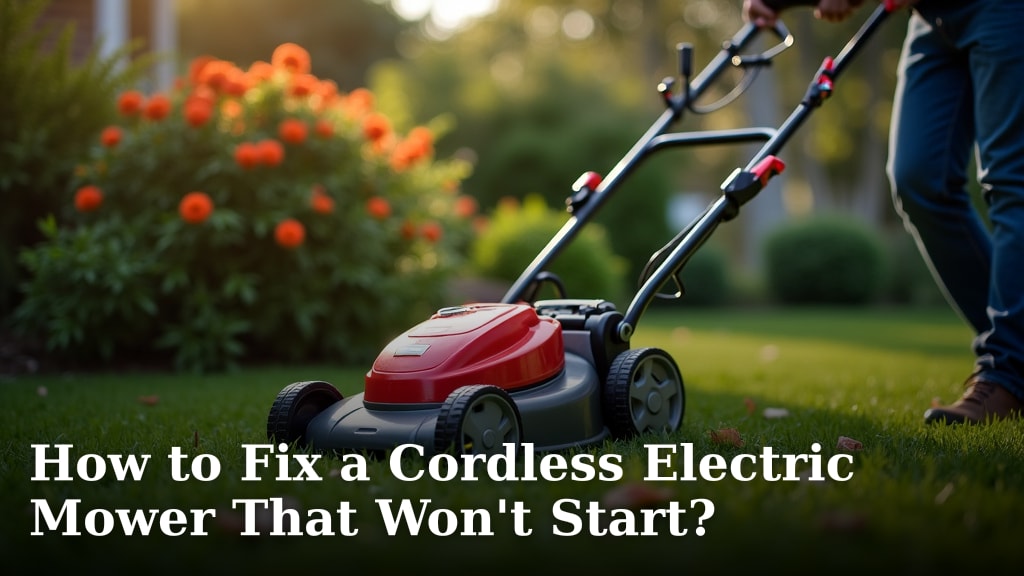
If your cordless electric mower won’t start, don’t panic! Often, the issue is a simple fix like a dead battery or a safety lock. We found that checking these common culprits first can get you back to mowing quickly.
It can be frustrating when your mower refuses to turn on, especially with a yard to maintain. Many users report similar issues, so you’re not alone. We researched common problems and found that a few key checks resolve most non-starting situations for electric mowers.
- Check the battery charge.
- Ensure safety features are engaged correctly.
- Inspect the blade for obstructions. Inspect the blade for obstructions, and if it needs replacement, learn how to change lawn mower blades.
- Confirm the starter key is inserted properly.
Let’s walk through the most likely reasons your electric mower isn’t starting and how to fix them, step by step.
Troubleshooting Your Electric Mower When It Refuses to Start
It’s a familiar scene: you’re ready to tackle the lawn, but your trusty cordless electric mower just won’t kick into gear. Don’t throw in the towel just yet! We’ve found that most starting issues with these mowers are surprisingly straightforward to fix. Let’s break down the common culprits and get your mower humming again.
Checking the Power Source: The Battery is Key
The most frequent reason your electric mower won’t start is a simple lack of juice. Think of it like your smartphone – if the battery is dead, nothing happens. We found that a drained or improperly seated battery is the usual suspect.
Is the Battery Fully Charged?
This might sound obvious, but it’s worth checking. Did you remember to charge the battery overnight? Some mowers have indicator lights on the battery or charger that show charging status. If you’re unsure, plug it in and give it a few hours. A fully charged battery is essential for starting. We’ve seen many instances where a short charge was all that was needed.
Proper Battery Installation
Even with a charged battery, it needs to be installed correctly. Most cordless mowers have a specific way the battery clicks or slides into place. You should hear a distinct ‘snap’ or ‘click’ when it’s fully seated. If it feels loose or wobbly, it might not be making proper contact. We recommend removing the battery and reinserting it firmly, ensuring it’s locked in position. This simple step often resolves the issue. Many manufacturers stress the importance of this connection in their manuals.
Battery Health and Age
Like all batteries, those in your cordless mower have a lifespan. Over time, their ability to hold a charge diminishes. If your mower is several years old and has been used heavily, the battery might simply be worn out. We found that most lithium-ion batteries can last between 3-5 years with good care. If you’ve tried everything else and the mower still won’t start, even after charging, it might be time to consider a new battery. Check your owner’s manual for battery specifications and replacement options.
Engaging the Safety Features Correctly
Cordless electric mowers are designed with safety in mind. They have specific procedures you must follow to start them up safely. These mechanisms prevent accidental starts, which is a good thing! We’ve found that misunderstanding or bypassing these steps is another common reason for a no-start situation.
The Starter Key or Safety Switch
Many electric mowers use a removable starter key or a safety lever/button. This is a crucial component that must be in the correct position for the mower to operate. Is the key fully inserted? Is the safety bar pulled back completely? You usually need to hold the safety bar engaged while pressing the start button or turning the key. We found that users sometimes forget this step in their haste to get mowing. Try pressing and holding the safety bar firmly before attempting to start.
The Handlebar Sensor Check
Some mowers have sensors in the handlebar that detect when you’re gripping the mower. If these sensors aren’t engaged, the mower won’t start. Ensure you’re holding the handle firmly and consistently. We’ve heard from users who found that a slightly wet handlebar or gloves could interfere with the sensor. Make sure the handle and your hands are dry and providing good contact. Many manufacturers highlight this in their troubleshooting guides as a common oversight.
Ensuring the Power Button/Lever is Active
After the key or safety bar is engaged, you typically need to press a power button or a start lever. Make sure you’re pressing this firmly and holding it for a moment. Sometimes, a weak press won’t register. We found that users sometimes don’t press it long enough. Try a solid, sustained press. If your mower has a separate “on” switch, ensure that’s activated first.
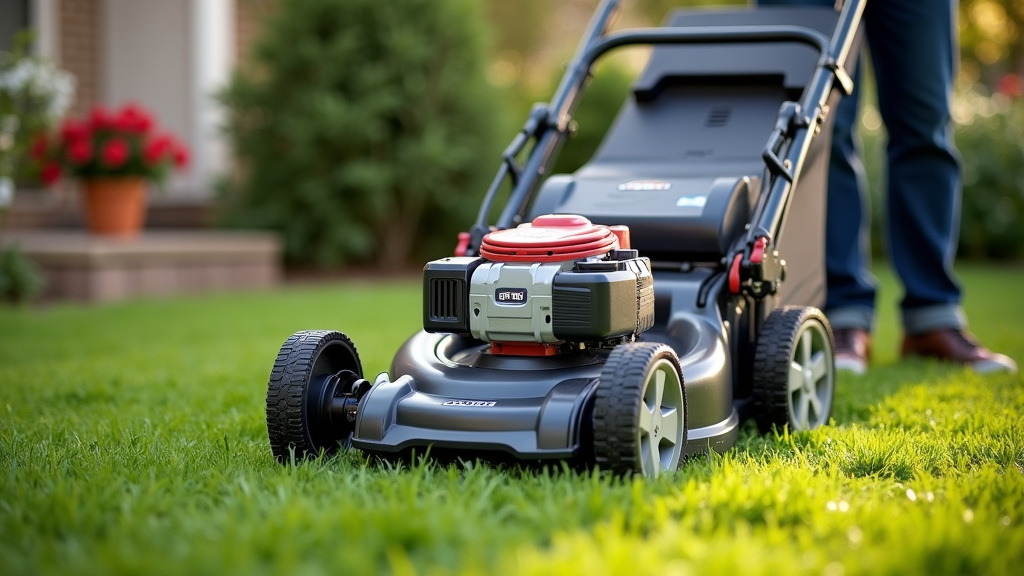
Investigating Obstructions and Blade Issues
Sometimes, the problem isn’t electrical; it’s mechanical. The mower’s blade needs to spin freely to work. If something is blocking it, the motor might not be able to engage, or it might stop immediately. We’ve found that debris can cause significant starting problems.
Clearing Debris from Under the Deck
Before you do anything else, and always with the battery removed for safety, turn the mower on its side. Grass clippings, twigs, or other garden debris can build up under the deck and jam the blade. Carefully clear out any packed-on material. This is especially common after a long period of mowing in thick, wet grass. We recommend doing this as a regular maintenance step to prevent future issues.
Checking the Blade for Damage or Looseness
While you’re checking for debris, give the blade a gentle spin by hand. Does it turn freely? If it feels stiff or stuck, there might be a more significant issue. Also, check if the blade is loose. A loose blade can cause vibrations and hinder starting. If you notice any damage, like bends or nicks, the blade may need replacement. Always ensure the blade is securely fastened after any checks or maintenance. Many safety guidelines strongly advise against operating a mower with a damaged or loose blade.
Other Potential Starting Hiccups
Beyond the battery and safety features, a few other things can prevent your electric mower from starting. These are less common but still worth a quick check.
The Starter Button or Switch Itself
Sometimes, the start button or switch can become faulty or dirty. If you’ve tried everything else, this might be the issue. You can try cleaning around the button with a dry cloth. If it feels stuck or unresponsive, it might need professional attention or replacement. We found that moisture or dirt can sometimes get into these small components.
Overheating Protection
Many modern mowers have an overheat protection feature. If you were mowing in extremely hot conditions or thick grass for an extended period, the motor might have overheated and shut down. In this case, simply let the mower cool down for 30-60 minutes. We’ve seen this happen when users push their mowers too hard. Once it cools, try starting it again. If it overheats again quickly, there might be an underlying motor issue.
A Checklist for Quick Troubleshooting
When your mower won’t start, run through this quick checklist. We found these steps cover the most frequent issues:
- Confirm the battery is fully charged and seated correctly.
- Ensure the safety key or lever is properly engaged.
- Check for any obstructions under the mower deck.
- Make sure you are firmly gripping the handlebar.
- Allow the mower to cool if it feels unusually warm.
- Try a fresh battery if yours is old or shows signs of wear.
Conclusion
You’ve learned that getting your cordless electric mower started often involves simple checks. We’ve covered the most common issues, from a drained battery to overlooked safety features and blade obstructions. You’re now equipped to troubleshoot these problems yourself. Before calling for service, take a moment to re-run through our quick checklist. Most likely, you’ll find the fix is straightforward and get you back to a tidy lawn in no time.
Frequently Asked Questions
What should I do if my electric mower doesn’t start after charging the battery?
First, ensure the battery is properly seated and clicked into place. Sometimes, it just needs a firm push to make full contact. If it’s still not starting, the battery might be nearing the end of its life and may need replacement.
Can wet conditions affect my electric mower’s starting?
Yes, wet conditions can sometimes cause issues. Ensure your handlebars are dry, as moisture can interfere with handlebar sensors on some models. Also, be sure to clear any wet grass clippings that may have packed under the deck.
My electric mower just stopped while I was mowing. What’s the likely cause?
If your mower stopped mid-operation, it might have overheated. Many models have a built-in overheat protection. Allow the mower to cool down for about 30-60 minutes, then try starting it again. If it stops again quickly, there could be a motor issue.
How often should I check for debris under the mower deck?
We recommend checking for debris under the deck regularly, especially after mowing in thick or wet grass. This prevents obstructions that could hinder blade rotation and prevent starting.
Is it normal for the battery to not last as long as it used to?
It’s normal for battery performance to decrease over time. Like any rechargeable battery, the one in your mower has a limited lifespan. If your mower is several years old and the battery holds significantly less charge, it may be time for a replacement.
