
How To Make A Lawn Mower Positive Traction?
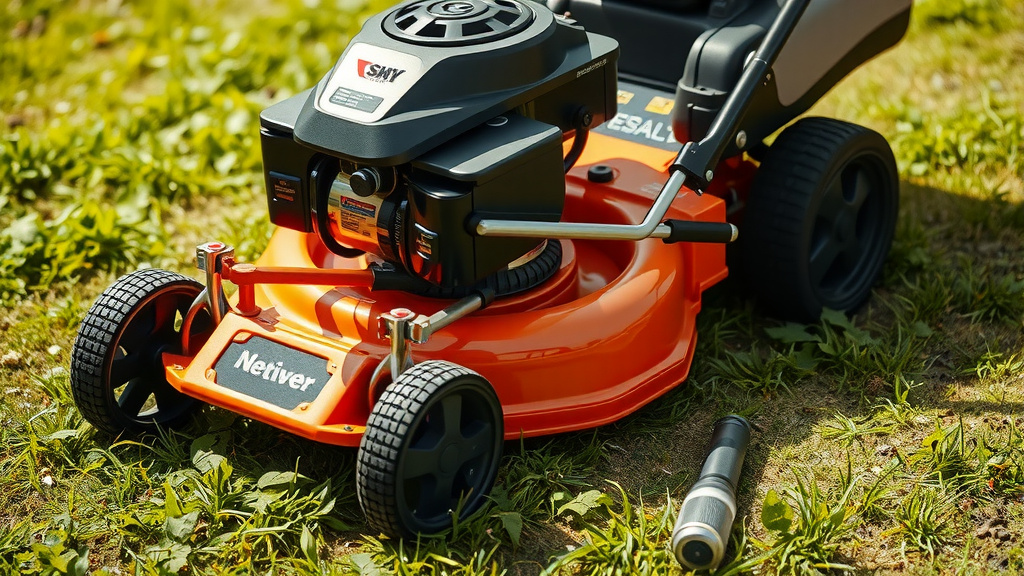
To make a lawn mower positive traction, you can upgrade to better tires with deeper treads, strategically add weight for increased grip, and ensure your drive system is well-maintained. Proper tire pressure and a clean deck also contribute significantly to **improving lawn mower traction**.
Improving lawn mower traction often starts with simple checks like tire condition and inflation, but sometimes requires adjustments to the mower’s weight distribution or its drive components.
Here’s a quick overview of how to get your mower gripping better:
- Inspect and adjust your tire pressure for optimal ground contact.
- Consider upgrading to tires designed for tougher terrain if struggling frequently.
- Distribute weight effectively, especially over the drive wheels, without exceeding limits.
- Regularly check and maintain your drive belts and pulleys for proper engagement.
- Keep your mower deck clean to prevent grass buildup from affecting performance.
How To Make A Lawn Mower Positive Traction?
Making a lawn mower achieve positive traction involves understanding what makes it lose grip in the first place. You need to address the contact points with the ground and the power delivery. Think of it like a car needing good tires for snow.
Why Does Your Mower Lose Grip?
Imagine trying to walk on ice in dress shoes. Your mower faces similar challenges. It might be operating on wet grass, slopes, or loose soil. We found that inadequate tire design or wear are common culprits (Consumer Reports).
Sometimes, the mower’s weight distribution isn’t ideal. This means not enough pressure is pushing down on the drive wheels. Too much weight in the front, for example, can lift the rear drive wheels slightly.
The Right Tires Make All The Difference
Your tires are the primary point of contact with the ground. They literally put the power down. Choosing the correct type and maintaining them is a **fundamental step for traction**.
Tire Type Matters for Traction
Not all lawn mower tires are created equal. Smooth or worn tires offer little grip, especially on damp lawns. We found that tires with aggressive, directional treads significantly **improve traction on slopes and wet grass**.
Think about tractor tires; they have deep lugs for a reason. While your lawn mower won’t need that extreme, a similar principle applies. Look for turf-saver or bar-tread patterns for better performance.
Checking Your Tire Pressure
Under-inflated or over-inflated tires can reduce the contact patch with the ground. This means less rubber is gripping your lawn. Always check your owner’s manual for the **recommended tire pressure**.
A tire that’s too soft might deform poorly and rub on the deck. One that’s too hard can bounce and lose contact. Finding that sweet spot is essential for consistent traction.
When to Consider New Tires
If your tires are bald, cracked, or show visible signs of wear, it’s time for an upgrade. Worn-out treads can’t bite into the grass. This is particularly true if you often mow on slopes or damp areas.
Many experts say that investing in higher-quality tires designed for specific conditions can prevent a lot of frustration. It’s like buying good hiking boots instead of sneakers for a mountain trail.
Adding Weight for Better Ground Contact
More weight over the drive wheels can push the tires into the grass, increasing friction. This helps the tires grab instead of spin. However, you need to be careful not to **overload your mower**.
Strategic Weight Placement
For rear-wheel drive mowers, adding weight to the rear can be effective. You might use wheel weights, ballast boxes, or even fill the tires with fluid (like calcium chloride or windshield washer fluid). This fluid adds weight without significantly increasing the mower’s overall size.
Front-wheel drive mowers benefit from weight closer to the front. Always distribute weight evenly to avoid straining one side of the mower or causing uneven cuts.
Be Careful Not to Overload
Adding too much weight can stress your mower’s engine, transmission, and frame. It might also damage your lawn by compacting the soil too much. Always consult your mower’s manual for **maximum weight recommendations**.
We found that a small amount of carefully placed weight often makes a big difference. You are looking for balance, not bulk. It’s about enhancing grip, not just making it heavier.
Optimizing Your Drive System
Even with perfect tires and weight, a faulty drive system won’t deliver power efficiently. This means your wheels might not turn with the force needed to grip the terrain.
Belt and Pulley Health
The belts transmit power from the engine to the drive wheels. If they are worn, cracked, or loose, they can slip. This results in **reduced power to the wheels** and poor traction.
Pulleys must also be clean and spin freely. Any obstruction or damage can hinder the belt’s movement. Inspecting these components regularly is a key part of routine maintenance (Mechanics Monthly).
Adjusting Drive Engagements
Some mowers allow for adjustments to the drive system’s engagement. If your drive isn’t fully engaging, it won’t apply full power. Check your owner’s manual for steps on **adjusting the drive cable or linkage**.
A properly adjusted drive system ensures that when you engage the drive, the wheels receive maximum power. This direct power transfer translates directly into better traction.
Simple Maintenance Tricks for Grip
Beyond the major components, minor maintenance tasks can greatly affect your mower’s ability to maintain traction. Sometimes, the simplest things have the biggest impact.
Cleaning Your Mower Deck
Grass clippings can build up under the deck. This reduces ground clearance and can even rub against the tires. A clean deck ensures the tires have **unimpeded contact with the ground**.
Plus, a clean deck helps the blades cut more efficiently, which is a bonus. Make it a habit to scrape out grass buildup after each mow, especially when dealing with damp grass.
Sharpening Your Blades
While not directly related to tire grip, sharp blades reduce the effort required by the engine. This means more power can be directed to the drive wheels. A dull blade makes the engine work harder.
A clean, sharp cut also prevents tearing the grass, which helps maintain a healthier lawn. Healthy grass provides a more stable surface for your mower to drive on.
Tackling Wet or Slippery Conditions
Mowing wet grass is generally not recommended, as it stresses the mower and can lead to poor cuts. However, if you must, **extra caution is needed for traction**.
Consider waiting for the lawn to dry out a bit. If you absolutely need to mow, ensure your tires are in top condition and consider taking smaller passes. Sometimes, the best solution is patience.
Common Mower Traction Mistakes
It’s easy to overlook simple things that hurt your mower’s traction. Let’s look at a few common errors:
| Mistake | Impact on Traction | Simple Fix |
|---|---|---|
| Ignoring tire pressure | Uneven ground contact, slipping | Check manual, inflate to spec |
| Worn-out tires | No grip on grass or slopes | Replace with appropriate tread |
| Overloading the mower | Strains engine, poor weight balance | Distribute weight carefully, avoid excess |
| Dirty mower deck | Grass buildup hinders tire contact | Clean after each use |
| Skipping drive system checks | Loose belts, reduced power transfer | Inspect belts/pulleys regularly |
Here’s a quick checklist to **boost your mower’s grip**:
- Inspect tires for wear and tear.
- Check and adjust tire pressure.
- Clean accumulated grass from the deck.
- Examine drive belts for tension and condition.
- Consider adding appropriate wheel weights.
Conclusion
Achieving positive traction with your lawn mower comes down to a few key areas: your tires, the mower’s weight distribution, and the health of its drive system. By addressing these points, you can transform your mower from a spinner to a gripper, even on challenging lawns.
Remember, regular maintenance isn’t just about longevity; it’s about optimal performance. Small adjustments can make a big difference in how your mower handles your lawn. A little care goes a long way to ensure your mower stays on track and gets the job done efficiently.
What causes a lawn mower to lose traction?
A lawn mower typically loses traction due to worn or incorrect tire types, improper tire pressure, an uneven weight distribution that reduces pressure on the drive wheels, or issues within the drive system itself, such as slipping belts or misaligned pulleys. Wet grass and steep slopes also increase the likelihood of losing grip.
Can tire pressure affect mower traction?
Absolutely! Both under-inflated and over-inflated tires can negatively affect mower traction. Under-inflated tires can cause excessive deformation, while over-inflated tires reduce the tire’s contact patch with the ground. Maintaining the recommended tire pressure ensures maximum surface area for gripping the lawn.
Is adding weight to my lawn mower a good idea for traction?
Adding weight can be a good strategy to improve traction, especially when placed over the drive wheels. However, it’s crucial to do this strategically and avoid overloading the mower. Too much weight can strain the engine and transmission, and potentially damage your lawn. Always consult your mower’s manual for weight limits.
How do I know if my mower’s drive system is causing traction issues?
You might suspect a drive system issue if your wheels spin without much force, even with good tires and proper weight. Look for signs like loose, cracked, or worn drive belts, damaged pulleys, or a drive engagement lever that doesn’t fully activate the system. These components need to transmit power efficiently for good traction.
Are there specific tire types better for lawn mower traction on hills?
Yes, for mowing on hills or challenging terrain, tires with a more aggressive tread pattern, often referred to as turf-saver or bar-tread tires, are much better. These tires have deeper lugs that can bite into the grass and soil, providing significantly more grip than standard smooth or less-aggressive turf tires.
