
How To Make A Motorized Bike With A Lawn Mower?
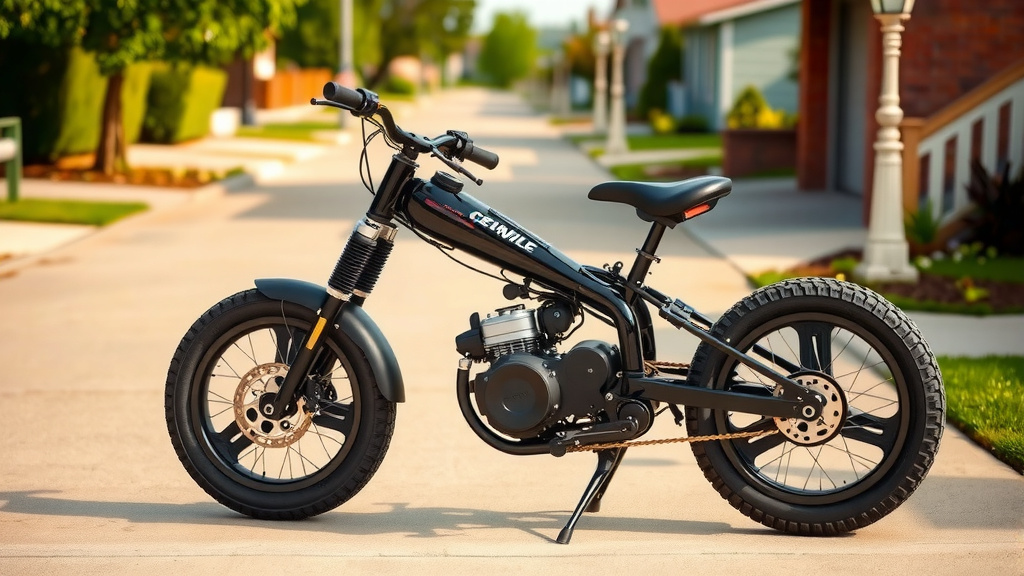
Making a motorized bike with a lawn mower involves carefully adapting a small engine to a bicycle frame, requiring mechanical skill and a strong focus on safety. This DIY project transforms an ordinary bike into a powered vehicle, but it demands precise modifications for reliable and safe operation.
While technically possible, converting a lawn mower engine to power a bike presents significant engineering and safety hurdles that need careful consideration for anyone undertaking such a project.
- You can transform a regular bicycle into a motorized one using a lawn mower engine.
- This project demands mechanical skills, safety knowledge, and a commitment to detail.
- Proper engine mounting, drive system connection, and critical safety features are key.
- Always prioritize safety, wear protective gear, and understand local regulations before starting.
- Consider if a purpose-built motorized bike kit might be a safer, simpler alternative for you.
How To Make A Motorized Bike With A Lawn Mower?
To make a motorized bike with a lawn mower engine, you will need to choose a suitable bicycle, prepare the engine, design a mounting system, and connect a drive train. It is a complex process that demands attention to safety and mechanical precision.
Why Consider This Project?
Perhaps you have an old lawn mower engine sitting in your garage, and a bike longing for some extra oomph. We found that many people are drawn to this project for the sheer satisfaction of building something unique.
It’s a fantastic way to learn about small engines and basic mechanics. Plus, for some, it represents a cost-effective alternative to buying a pre-made motorized bicycle.
Safety First: A Non-Negotiable Step
Before you even think about grabbing wrenches, let’s talk safety. This isn’t just about fun; it’s about preventing serious injury. Many experts say that safety must be your top priority (OSHA guidelines frequently stress this in DIY contexts).
You will be working with gasoline, moving parts, and potentially high speeds. Always wear appropriate personal protective equipment, like eye protection and gloves. Never test your creation without proper safety checks.
Understanding Engine Types
Lawn mower engines usually come in two main types: two-stroke and four-stroke. We found that two-stroke engines are often lighter and produce more power for their size. However, they need mixed fuel and can be louder.
Four-stroke engines are generally heavier but run cleaner and quieter. They use separate oil and gas, similar to a car engine. Consider which type fits your bike and desired performance.
Gathering Your Essential Tools
You will need a decent set of tools for this project. Think beyond the basic screwdriver. You will likely need wrenches, sockets, a drill, a grinder, and welding equipment if you plan to fabricate custom parts. A torque wrench is also helpful for secure fastening.
Selecting the Right Bike Frame
Not every bike is a good candidate for motorization. We found that cruiser bikes or sturdy mountain bikes often work best. They typically have stronger frames and more space for the engine.
Avoid lightweight road bikes or anything with a weak frame. The added weight and vibrations from the engine can stress the frame beyond its design limits. You need a frame that can handle the extra load.
Preparing Your Lawn Mower Engine
Once you have chosen your engine, it needs some love. Start by giving it a thorough cleaning. Check the oil level, or drain and refill it if it’s a four-stroke engine. For two-strokes, ensure you use the correct fuel mix.
You will also need to remove any excess parts not needed for propulsion, like the blade assembly. Make sure the carburetor is clean and the spark plug is in good condition. A well-maintained engine runs better.
Mounting the Engine Securely
This is where things get really creative and critical. The engine must be mounted very securely to the bike frame. Many people use custom-fabricated brackets. These brackets must withstand engine vibration and torque.
Poor mounting can lead to engine damage, frame failure, or even a dangerous separation while riding. Consider the engine’s weight distribution for balance. We found that some DIYers prefer mounting the engine within the bike frame, while others opt for a rear rack mount.
Connecting the Drive System
The drive system transfers power from the engine to the rear wheel. There are typically two main options:
- Chain Drive: This is the most common method, using a small sprocket on the engine and a larger one on the rear wheel. It’s efficient and robust.
- Belt Drive: Some use belts, which can offer smoother power transfer and less noise. However, belts can slip if not tensioned correctly.
You will also need a clutch, often a centrifugal clutch, to allow the engine to idle without moving the bike. This component is essential for safe starting and stopping.
Fuel System Setup
A small fuel tank is needed, often mounted on the bike’s top tube or rear rack. You’ll need fuel lines, an in-line fuel filter, and a petcock (fuel shut-off valve). We found that gravity-fed systems are common, but ensure your tank is positioned above the carburetor.
Throttle and Kill Switch Integration
You will need a throttle control, usually a twist-grip style, connected to the carburetor. Equally important is a kill switch. This safety feature allows you to instantly shut off the engine in an emergency. Many experts recommend easily accessible controls for both.
Braking and Steering Considerations
Adding an engine means your bike will go faster, making good brakes even more vital. Ensure your bike has powerful, reliable brakes that can stop the added weight and speed. Regular bicycle brakes might not be enough.
Also, consider how the added weight affects steering. A heavier front end might make steering less responsive. Always test your bike’s handling at low speeds first.
Testing Your Motorized Creation
The first ride is always exciting, but approach it with extreme caution. Start by pushing the bike and engaging the clutch slowly in a safe, open area. Check for any unusual noises, vibrations, or loose parts. Gradually increase speed.
A checklist for your first test ride:
- Are all bolts and nuts tightened?
- Is the fuel line secure and leak-free?
- Does the throttle operate smoothly?
- Does the kill switch work instantly?
- Are the brakes effective?
- Is the chain or belt tension correct?
Legal Aspects You Can’t Ignore
Laws regarding motorized bicycles vary widely by location. In many places, a bike with an engine might require registration, a license, and specific safety equipment. We found that some jurisdictions have strict limits on engine size and top speed for what they consider a “motorized bicycle” (DMV websites often provide this information).
Always research your local regulations to avoid fines or legal issues. It’s better to be informed than surprised.
Common Challenges and Troubleshooting
You will likely encounter some bumps along the way. Common issues include engine vibration, carburetor tuning problems, and drive chain alignment issues. Vibration can loosen fasteners, so constant checking is needed.
Engine starting problems often trace back to fuel delivery or spark issues. Take your time troubleshooting, and remember that patience is a virtue in DIY projects like this.
The DIY vs. Kit Debate
While building from scratch is rewarding, purpose-built motorized bike kits exist. Here’s a quick comparison:
| Feature | DIY (Lawn Mower Engine) | Motorized Bike Kit |
|---|---|---|
| Cost | Potentially lower (if parts are recycled) | Higher initial cost |
| Complexity | Very high (custom fabrication, problem-solving) | Moderate (assembly required) |
| Safety | Relies heavily on builder’s skill and design | Engineered for bike use, usually safer |
| Performance | Varies greatly, often unrefined | More predictable, better matched components |
| Legal Compliance | More difficult to ensure | Often designed with legal limits in mind |
Many people find that kits offer a more reliable and safer path to a motorized bicycle, especially if mechanical skills are developing.
Conclusion
Creating a motorized bike with a lawn mower engine is an ambitious and rewarding project for those with mechanical inclinations. It pushes your creativity and problem-solving skills. Remember, the journey from a simple bicycle to a roaring motorized machine is paved with careful planning, precise execution, and an unwavering commitment to safety. Always consider the legal implications and prioritize your well-being. This project is a testament to the DIY spirit, but always weigh the effort against purpose-built alternatives.
Is it legal to ride a lawn mower motorized bike on public roads?
The legality of riding a lawn mower motorized bike on public roads varies significantly by region. Many areas classify such creations as unregistered motor vehicles, requiring licenses, insurance, and specific safety features. It’s essential to check your local Department of Motor Vehicles (DMV) regulations to understand the specific requirements in your area before riding.
What kind of bike is best suited for this conversion?
For a successful and safe conversion, a sturdy bicycle frame is crucial. Cruiser bikes, often known for their robust build and ample space, are frequently recommended. Mountain bikes with durable frames can also work well. Avoid lightweight road bikes, as their frames are not designed to handle the additional weight and vibrations of an engine.
Are there specific safety precautions I should take when testing?
Absolutely. When testing your motorized bike, always wear a helmet, eye protection, and protective clothing. Start in a controlled, open environment away from traffic and pedestrians. Begin at very slow speeds, checking all connections, brakes, throttle, and the kill switch meticulously. Be prepared to disengage the engine quickly if anything feels off.
Can I use any lawn mower engine for this project?
While many small engines can technically be adapted, not all are ideal. Smaller, lighter engines (often from push mowers) are easier to mount and manage. Consider the engine’s power output; too little, and it won’t move the bike effectively; too much, and it becomes uncontrollable and dangerous. Two-stroke engines are popular due to their power-to-weight ratio, but four-strokes offer smoother operation.
What are the biggest challenges in making a motorized bike from a lawn mower?
The biggest challenges typically involve engine mounting and drive system fabrication. Creating a secure, vibration-dampening mount that correctly positions the engine and aligns the drive chain or belt can be tricky. Additionally, ensuring proper throttle control, reliable braking for the added weight, and managing fuel delivery system are common hurdles. Safety is always the overarching challenge, demanding constant attention to detail.
