
How To Make A Off Road Lawn Mower?
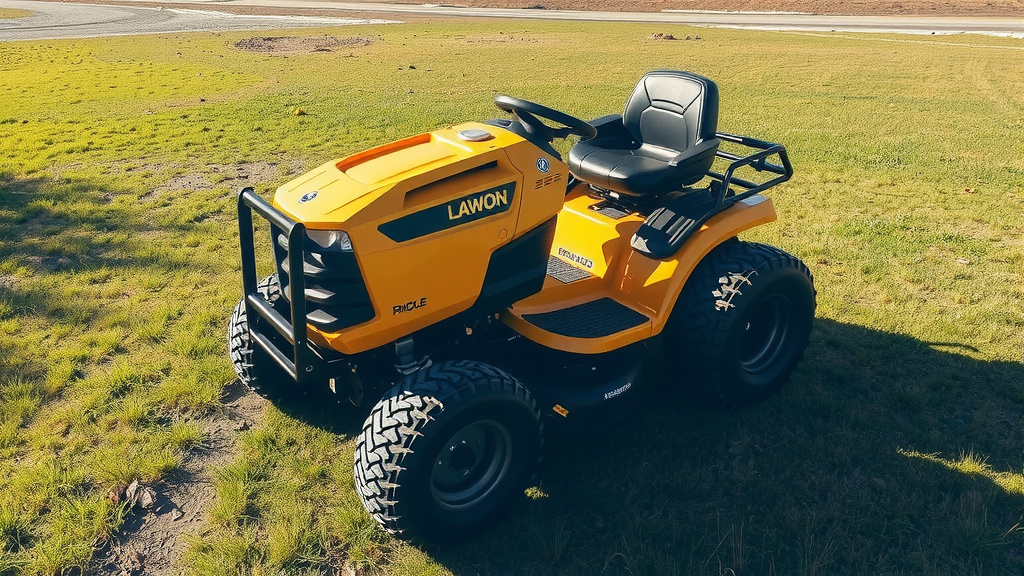
To make an off-road lawn mower, you generally modify a standard riding mower by enhancing its suspension, replacing tires with aggressive treads, and often reinforcing the frame.
These modifications aim to improve traction, ground clearance, and durability for navigating uneven, rough terrains safely and effectively.
Here’s a quick summary of what we’ll cover to transform your mower:
- Select the right riding mower as your starting point.
- Prioritize safety with roll-over protection and proper gear.
- Upgrade tires for maximum grip on challenging surfaces.
- Enhance suspension and ground clearance for rough terrain.
- Reinforce the frame and protect critical components.
How To Make A Off Road Lawn Mower?
Transforming a regular lawn mower into an off-road machine involves a series of practical modifications to improve its performance and durability on rough terrain. You will focus on enhancing traction, stability, and ground clearance.
Why Build an Off-Road Mower?
Many property owners face large areas with uneven ground or thick brush. A standard mower struggles in these conditions. Building an off-road mower allows you to maintain challenging landscapes with greater ease and efficiency (Agricultural Research Service).
Perhaps you have a large property with slopes, ditches, or rocky patches. An off-road mower can become your reliable workhorse. Think of it as giving your garden tractor a serious upgrade for its adventures.
Safety First: Your Most Important Tool
Before you even think about modifications, let’s talk about safety. This project changes how your mower handles. We found that installing a Roll-Over Protection Structure (ROPS) is critically important. A seatbelt should also be installed and used.
Wearing appropriate safety gear is non-negotiable. This includes a helmet, safety glasses, heavy gloves, and sturdy boots. Modifying machinery carries risks, and your safety is paramount throughout the entire process.
Choosing Your Base Mower Wisely
The foundation of your off-road creation is crucial. Not all mowers are built for this kind of transformation. Selecting the right starting point will save you time, effort, and potential headaches.
What Kind of Mower Works Best?
We found that older, more robust riding lawn tractors are often the best candidates. These typically have stronger frames and more accessible components. Zero-turn mowers are generally less suitable due to their steering mechanism and lighter construction for off-road use.
Look for a model with a steel frame, not aluminum. A solid frame provides a better base for reinforcements. Inspect the existing chassis for rust or damage before you start planning modifications.
Assessing Engine Power Needs
Off-road conditions demand more from an engine than simply cutting grass. You will need sufficient horsepower to climb hills and push through dense vegetation. Many experts say a minimum of 18 to 20 horsepower is a good starting point for serious off-road work.
Consider the engine’s condition carefully. A worn-out engine will struggle even with modifications. Sometimes, an engine swap might be needed if your chosen base mower lacks power or reliability.
Essential Off-Road Modifications
Now for the fun part – changing your mower into a rugged beast. These modifications focus on improving traction, durability, and maneuverability over challenging terrain.
Upgrading Your Tires for Traction
Standard lawn mower tires are designed for smooth lawns; they offer almost no grip off-road. You will want to replace them with aggressive, lugged tires, similar to ATV or tractor tires. These tires feature deep treads that dig into loose soil, mud, and grass.
Consider tire size carefully. Larger tires can increase ground clearance but might require fender modifications. We found that often, filling tires with fluid or adding wheel weights can improve stability and traction on slopes (Purdue University Extension).
Boosting Ground Clearance and Suspension
Off-road terrain often has rocks, stumps, and uneven surfaces. Increasing your mower’s ground clearance is essential to avoid getting stuck or damaging components. This often involves lift kits or custom suspension modifications.
A basic lift kit for a riding mower can be fabricated with steel blocks or by extending existing suspension mounts. Adding or upgrading shocks can also provide a smoother ride and better control on bumpy ground. Remember, too much lift can affect stability.
Reinforcing the Frame for Tough Terrain
The original frame of a lawn mower is not built for the stresses of off-road use. It needs strengthening. We recommend welding additional steel plates or tubing to critical stress points. This includes the axle mounts and areas around the engine.
A strong frame prevents bending or cracking when navigating ditches or hitting obstacles. Think of it as giving your mower an iron skeleton for its new tough job. This also provides mounting points for other accessories.
Enhancing Engine Performance and Protection
Beyond raw horsepower, consider engine protection. A custom skid plate beneath the engine can shield it from impacts. We also found that upgrading the air filter to a heavy-duty, cleanable type is wise for dusty conditions.
Better cooling might be necessary, especially if you plan on working the engine hard. This could involve adding extra cooling fins or ensuring good airflow around the engine compartment. Always keep an eye on engine temperatures.
Steering and Controls: Staying in Command
Original steering systems might feel loose or imprecise on rough ground. You might consider upgrading steering linkages for a more direct feel. Some builders even convert to a hydraulic steering system for greater responsiveness, but this is a more advanced modification.
Ensure all controls, like the throttle and brake, are easily accessible and function reliably. An off-road mower requires precise control, especially when navigating tricky spots. You want to feel connected to your machine.
Removing or Modifying the Cutting Deck
If your goal is purely off-road transport, you might remove the cutting deck entirely. This significantly increases ground clearance and reduces weight. If you still want to cut, the deck will need serious reinforcement and possibly lift.
Consider a heavy-duty brush hog style deck if you intend to tackle thick brush. Such decks are designed to withstand impacts better than standard mower decks. This is a crucial decision based on your intended use.
Considerations for Deck Modifications
When keeping the deck, remember to:
- Reinforce the deck housing with steel plates.
- Upgrade to stronger blades designed for brush.
- Ensure the deck can be lifted high enough for clearance.
- Add a protective shield over the discharge chute.
Additional Features for Your Off-Road Beast
Once the core modifications are done, you can add features for practicality and safety. This might include a robust front bumper to protect against impacts. Stronger headlights are a good idea for early morning or late evening work.
A small winch can be a lifesaver if you get stuck. Many experts also suggest installing a small toolbox or cargo rack for carrying tools. These additions make your off-road mower even more functional.
| Modification Area | Why It’s Important | Typical Materials/Methods |
|---|---|---|
| Tires | Traction on uneven/loose surfaces | Aggressive lug tires, fluid fill |
| Suspension/Lift | Ground clearance, smoother ride | Lift blocks, longer shocks |
| Frame | Durability, integrity on rough terrain | Welded steel plates, tubing |
| Engine Protection | Shielding vital components | Skid plates, heavy-duty air filter |
Tools and Skills You’ll Need
This project requires a certain level of mechanical aptitude and a range of tools. You will likely need a welder, an angle grinder, various wrenches, sockets, and possibly drilling equipment. Safety equipment, such as welding masks and ear protection, is mandatory.
If you are not comfortable with welding or heavy fabrication, consider seeking help from a professional. There are specialized fabrication shops that can assist with specific parts of your build. Always work within your skill level.
Legal and Local Considerations
Before you take your modified mower for a spin, understand your local regulations. An off-road mower is not typically street-legal. Using it on public roads or trails could lead to fines or legal issues.
Always operate your off-road mower on private property where you have permission. Familiarize yourself with local ordinances regarding noise and vehicle modifications. Safety is not just about the build, it’s also about responsible operation.
The All-Important Test Drive
Once your modifications are complete, do not immediately tackle the toughest terrain. Start with a cautious test drive in a safe, controlled environment. Check for proper steering, braking, and overall stability.
Listen for unusual noises and feel for vibrations. Gradually push the machine to test its capabilities. Remember to carry out a pre-ride safety checklist every time you operate your modified mower:
- Are all bolts and nuts tight?
- Are the tires properly inflated?
- Do the brakes work effectively?
- Is the steering responsive?
- Are all safety guards in place?
- Is the ROPS securely fastened?
Conclusion
Building an off-road lawn mower can be a rewarding project, transforming a basic tool into a formidable machine capable of tackling challenging landscapes. By focusing on safety, choosing the right base, and making careful modifications to tires, suspension, and frame, you can create a reliable workhorse for your property. Remember, patience and attention to detail are key to a successful and safe build.
How much does it cost to build an off-road lawn mower?
The cost varies greatly depending on the base mower’s condition, the extent of modifications, and whether you source new or used parts. It can range from a few hundred dollars for basic upgrades to several thousand for a comprehensive, high-performance build.
Can I convert a zero-turn mower for off-road use?
While possible, converting a zero-turn mower for serious off-road use is generally not recommended. Their steering system and typically lighter frames are less suited to the demands and stresses of rough terrain compared to traditional riding tractors.
What kind of terrain can an off-road lawn mower handle?
An effectively modified off-road lawn mower can handle uneven ground, muddy patches, steep inclines, loose gravel, and tall grass or light brush. Its capabilities will depend directly on the quality and extent of the modifications made.
Is engine modification necessary for off-road use?
Minor engine modifications are often beneficial, such as upgrading the air filter or ensuring adequate cooling. A full engine swap or performance tuning might be needed if the original engine lacks sufficient horsepower for your intended tough tasks.
What are the biggest risks when building an off-road mower?
The biggest risks involve safety during operation due to potential rollovers, mechanical failures from improper modifications, and legal issues if operated where not permitted. Always prioritize safety in both the build and usage phases.
