
How To Make My Lawn Mower Quieter?
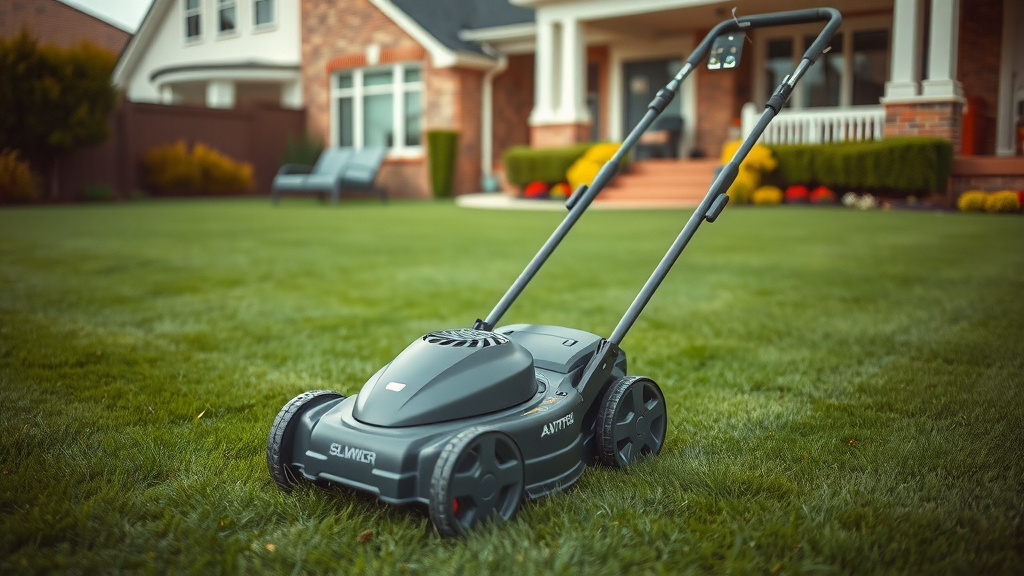
To make your lawn mower quieter, start by checking and replacing the muffler, sharpening or balancing the blades, and ensuring all engine components are well-maintained.
Regular tune-ups, using ear protection, and considering electric alternatives are also effective ways to significantly reduce the noise from your lawn mower.
- Regular maintenance is key to reducing your mower’s noise output.
- Focus on the muffler, blades, and engine for immediate improvements.
- Noise-reducing accessories and timing your mowing can also help.
- Explore quieter mower types, like electric or reel models, for long-term solutions.
- Always prioritize your hearing protection when operating any lawn mower.
How To Make My Lawn Mower Quieter?
Making your lawn mower quieter involves a mix of regular maintenance and strategic upgrades. You can significantly reduce its noise by focusing on key components and even considering alternative equipment. We want to help you enjoy a peaceful yard without the usual roar.
Why Is Your Mower So Loud Anyway?
Ever wonder why your mower sounds like a jet engine? Most noise comes from the engine itself, the spinning blades, and vibrations throughout the machine. Over time, these parts can get loose or worn, making things even louder.
Understanding the source helps you pinpoint where to start. It’s often a combination of factors that create that unpleasant loud sound during your Saturday morning chore.
Simple Maintenance for a Quieter Machine
Many noise issues can be solved with a bit of TLC. Think of it like giving your car a tune-up; small actions make a big difference.
Check the Muffler
The muffler is designed to quiet engine exhaust. If yours is damaged or rusted, it won’t work well. We found that a faulty muffler is a common culprit for excess noise. Inspect it for holes or loose connections.
Replacing a worn muffler is often a straightforward fix. This simple swap can drastically cut down on exhaust sound, making your mowing experience much more pleasant.
Sharpen and Balance Blades
Dull, unbalanced blades cause more vibration and noise. They also tear grass instead of cutting it cleanly. Many experts say keeping your blades sharp improves both mower performance and quietness (Outdoor Power Equipment Institute).
You can sharpen blades yourself or take them to a professional. Properly balanced blades spin smoothly, reducing that irritating wobbly, noisy operation.
Clean the Mower Deck
A dirty mower deck with caked-on grass clippings can trap sound and add weight. This makes the engine work harder and vibrate more. A clean deck ensures airflow and reduces unnecessary drag.
Take a few minutes to scrape off debris after each use. A clean underside not only reduces noise but also improves cutting efficiency.
Tighten Loose Parts
Loose bolts, screws, or even the engine mount can lead to rattling and increased noise. Think of a car with a loose wheel – it just sounds wrong. Go over your mower and tighten anything that feels wobbly.
This simple step can eliminate surprising amounts of racket. It’s like giving your mower a full-body adjustment to keep things snug and secure.
Engine Care for Reduced Roar
Your engine is the heart of the mower, and proper care keeps it purring, not screaming. Regular engine maintenance goes a long way toward a quieter operation.
Regular Oil Changes
Old or low oil makes your engine work harder, creating more friction and noise. Fresh oil ensures all parts move smoothly. We found that routine oil changes are vital for engine health and noise reduction.
Check your owner’s manual for the recommended oil type and change schedule. This small effort can extend your mower’s life and keep it running quietly.
Air Filter Check
A clogged air filter restricts airflow to the engine, forcing it to strain. This extra effort generates more noise. A clean filter allows your engine to breathe easily and run efficiently.
Inspect your air filter regularly and clean or replace it as needed. It’s a quick fix that can have a noticeable impact on sound levels.
Spark Plug Inspection
A dirty or faulty spark plug can cause engine misfires and rough running. This irregular combustion creates more noise and vibration. A properly functioning spark plug ensures a smooth, consistent engine cycle.
Check your spark plug for wear and clean or replace it if necessary. This helps your engine run at its optimal, quieter best.
Add-Ons and Upgrades for Less Noise
Beyond basic maintenance, you can explore specific products designed to dampen sound. These upgrades can turn a loud machine into a much more bearable one.
Noise-Dampening Mufflers
Some aftermarket mufflers are built with advanced sound-reducing technology. They often have internal baffles that absorb more sound than standard mufflers. Research often connects these mufflers with significant noise reduction (Consumer Reports).
Consider upgrading if your current muffler isn’t doing enough. It’s an investment that can make a big difference in your mowing comfort.
Anti-Vibration Pads
Placing anti-vibration pads under the engine or other vibrating components can absorb some of the shock. These pads are typically made of rubber or other dampening materials. They work by isolating vibrations before they spread.
You can find these online or at hardware stores. They’re a simple, inexpensive way to reduce that annoying rattling sensation.
Acoustic Barriers
Sometimes, it’s not just the mower but the environment. Creating natural barriers can help.
- Planting dense hedges or shrubs around your property can absorb sound waves.
- Building a solid fence acts as a physical barrier, blocking direct sound paths.
- Mowing away from noise-sensitive areas, if possible, also helps.
These strategies focus on containing the sound rather than just reducing it at the source.
Rethink Your Mowing Habits
How you mow can also affect how much noise your machine makes. Adjusting your routine can lead to a quieter, more efficient process.
Mow When Grass is Dry
Wet grass is harder to cut, forcing your mower to work harder. This extra strain leads to more engine noise and blade impact. Mowing dry grass allows for a cleaner cut with less effort.
Try to schedule your mowing for midday, after the dew has evaporated. Your mower, and your ears, will thank you for the lighter load.
Don’t Overload the Engine
Cutting grass that is too tall or trying to take on too much at once will strain the engine. This forced effort creates unnecessary noise. Take smaller passes or raise your blade height for dense or tall areas.
Let your mower do its job comfortably, without pushing it to its limits. A happy engine is often a quieter engine.
Alternative Mowers: A Quieter Future?
If your gas mower is simply too loud, perhaps it’s time to consider a different type of machine. Modern alternatives offer significantly reduced noise levels.
| Mower Type | Noise Level (Avg. dB) | Key Benefit for Quiet |
|---|---|---|
| Gas Mower | 90-105 dB | High power for large yards, but loudest. |
| Electric Mower (Corded) | 75-85 dB | No engine noise, only blade & motor hum. |
| Electric Mower (Battery) | 70-80 dB | Cordless convenience, very quiet operation. |
| Reel Mower | 60-65 dB | No motor, only mechanical blade whir. |
As you can see, electric and reel mowers offer a stark contrast in sound. They are excellent choices for noise-sensitive areas or for those who simply prefer a quieter yard experience.
Your Safety Matters: Hearing Protection
Even with all these tips, lawn mowers are still noisy machines. Protecting your hearing is always a good idea. Many guidelines point to ear protection as a good first step for any loud activity (CDC).
Here’s a quick checklist to keep your ears safe:
- Always wear earplugs or earmuffs when mowing.
- Ensure your hearing protection fits properly.
- Keep children and pets far away during operation.
- Take breaks from mowing in quiet environments.
- Consider noise-canceling headphones for ultimate comfort.
Your long-term hearing health is definitely worth the small effort of protection.
Conclusion
Making your lawn mower quieter is totally achievable. It often starts with simple, consistent maintenance: checking the muffler, sharpening blades, and keeping the engine in top shape. By addressing these areas, you’ll notice a significant drop in noise.
Adding anti-vibration elements or even choosing a quieter mower type, like an electric model, can further enhance your peaceful yard work. Remember, your hearing is precious, so always combine these steps with proper ear protection. Enjoy a quieter, more pleasant mowing experience for you and your neighbors!
How much noise does a standard gas lawn mower make?
A standard gas lawn mower typically generates noise levels between 90 and 105 decibels (dB). This level is comparable to a motorcycle or a jackhammer, which is why ear protection is so important.
Can I use car muffler ideas to quiet my lawn mower?
While the principle is similar, car mufflers are designed for larger engines and different exhaust systems. You should always use a muffler specifically designed for your lawn mower model to ensure proper fit, function, and safety.
Are electric lawn mowers truly much quieter than gas ones?
Yes, electric lawn mowers are significantly quieter. They generally operate in the 70-85 dB range, which is much lower than gas models. Battery-powered electric mowers are often the quietest, emitting only the sound of the blades cutting grass and the electric motor hum.
How often should I balance my lawn mower blades for noise reduction?
It’s a good practice to balance your lawn mower blades every time you sharpen them, which is typically once a season or more often if you hit obstacles. Unbalanced blades cause vibrations and increase noise, so regular checks are beneficial.
Does mowing speed affect how loud my lawn mower is?
Yes, mowing at a slower, consistent pace can help reduce noise. When you rush or push the mower too fast, the engine works harder, and the blades might struggle more, leading to increased strain and noise. A steady pace allows for smoother operation.
