
How To Make Your Lawn Mower Go Faster?
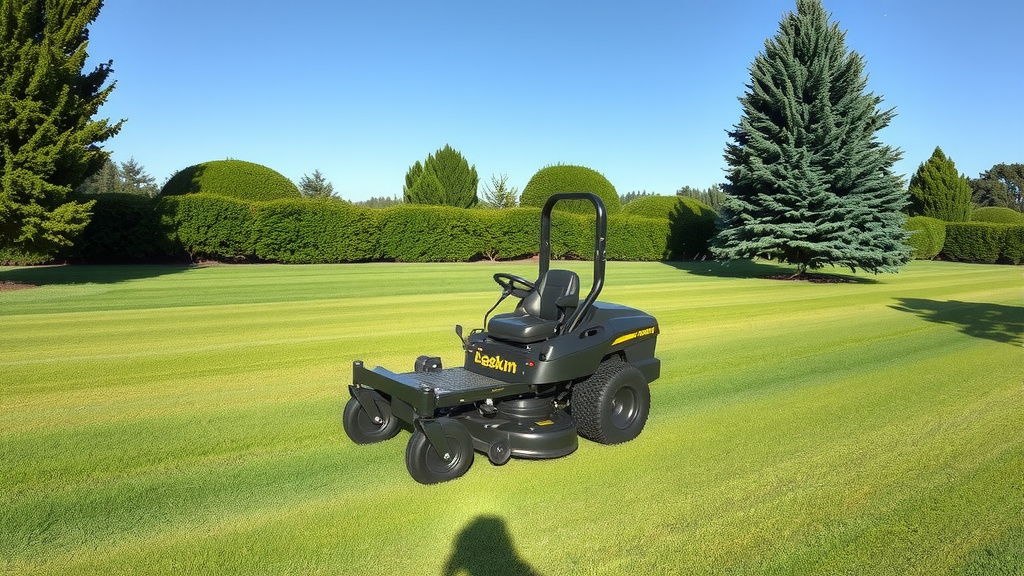
To make your lawn mower go faster, focus on proper engine tuning, ensuring sharp blades, and maintaining a clean cutting deck. These adjustments can significantly improve your mower’s efficiency and perceived speed.
Regular maintenance, like checking spark plugs and air filters, also plays a critical role in keeping your mower performing at its best and moving more quickly through the grass.
Here’s a quick overview of how you can make your lawn mower feel faster:
- Optimize your engine for peak performance.
- Keep your mower blades razor sharp.
- Ensure your cutting deck is clean and clear.
- Check and maintain tire pressure.
- Always prioritize safety when making adjustments.
How To Make Your Lawn Mower Go Faster?
Making your lawn mower go faster involves optimizing several components, mainly focusing on engine performance and cutting efficiency. A well-tuned engine and sharp blades will help you cover your lawn more quickly.
Understanding “Faster” for Your Mower
When you think about making your mower “faster,” are you looking for actual ground speed, or are you hoping to finish mowing more quickly? Often, a mower that cuts better and more efficiently feels faster because you complete the job in less time. We often found that improving cutting efficiency is the real goal.
Is Increasing Speed Always Safe?
It’s natural to want to speed things up, but remember, safety comes first. Pushing your mower beyond its design limits can be dangerous. Many experts say that modifying engine speed can compromise stability and control (Consumer Reports).
Engine Tuning: The Heart of the Beast
Your mower’s engine is its power source. Optimizing it can lead to noticeable speed and power gains. Are you ready to give your engine some love?
Adjusting the Governor
The governor on your engine controls the maximum RPMs. Some people try to adjust it for higher speeds. However, we found that this can damage the engine if done incorrectly or excessively. It’s often best left to a professional mechanic.
Optimizing the Carburetor
A properly adjusted carburetor ensures the right fuel-to-air mixture. A lean mixture might increase RPMs slightly, but it can also lead to engine overheating. A rich mixture wastes fuel and reduces power. Balance is key here for optimal performance.
Replacing the Spark Plug
A fresh spark plug provides a stronger, more consistent spark. This leads to better combustion and more efficient power delivery. It’s a simple, inexpensive fix that can improve engine response.
Here’s a quick checklist to help with engine basics:
- Inspect your spark plug for wear.
- Clean or replace the air filter.
- Check your fuel lines for blockages.
- Ensure you are using fresh, high-quality fuel.
- Consider replacing old engine oil.
Blade Maintenance: The Cutting Edge
Sharp blades are not just for a clean cut; they significantly impact your mower’s feel and efficiency. Dull blades make the engine work harder, effectively slowing you down.
Sharpening Your Blades
Dull blades tear grass, leaving an uneven, unhealthy lawn. Sharp blades slice cleanly, reducing drag on the engine. Sharpening blades regularly makes your mower feel more powerful and faster through thick grass. Aim for a razor edge.
Balancing Your Blades
After sharpening, balancing your blades prevents excessive vibration. An unbalanced blade can stress the engine and deck, leading to premature wear. It also makes for a smoother, more efficient cut, allowing the mower to glide. We found that a balanced blade runs smoother (Briggs & Stratton recommendations).
Deck and Undercarriage Cleanup
A clean deck is a fast deck. Mounds of caked-on grass underneath the deck create friction and weigh down your mower. This slows everything down.
Removing Built-Up Debris
Take some time to scrape off all the dried grass and dirt from the underside of your deck. This reduces resistance and allows the blades to spin freely. A clean deck improves airflow and cutting performance, making your mower “feel” faster.
Adjusting Deck Height
Cutting grass too short can strain your engine, especially in thick areas. Raising the deck height slightly can reduce the load, allowing the engine to maintain higher RPMs. Sometimes, a higher cut actually feels quicker because the mower doesn’t bog down.
Fuel and Oil Quality Matters
Just like a fine-tuned athlete, your mower performs best with quality nourishment. What you put into its tank and crankcase truly makes a difference.
Using Fresh Fuel
Old, stale gasoline can gum up your carburetor and reduce engine power. Always use fresh, clean fuel, preferably non-ethanol if your mower allows. Many experts recommend using fuel stabilizers for stored gas.
Proper Oil Levels and Type
Check your oil regularly. Too little oil leads to friction and overheating, while too much can also cause problems. Use the oil type recommended by your manufacturer. We found that correct oil viscosity supports engine health and performance.
Tire Pressure and Weight Reduction
Even small details like tire pressure and mower weight can impact how quickly you cover your lawn.
Optimizing Tire Pressure
Underinflated tires create more drag and can make your mower pull to one side. Ensure all tires are inflated to the manufacturer’s recommended pressure. Correct tire pressure means less rolling resistance and better maneuverability.
Reducing Overall Weight
If you’ve added attachments or have unnecessary items on your mower, consider removing them. Every pound of extra weight requires more engine power to move. A lighter mower is a more agile mower.
Regular Maintenance Schedule
Consistency is key to a fast, reliable mower. Following a routine maintenance schedule prevents small issues from becoming big problems that slow you down.
Consider this simple maintenance schedule:
| Task | Frequency | Impact on Speed |
|---|---|---|
| Sharpen Blades | Every 25 hours or season | Reduces engine drag |
| Clean Air Filter | Every 10-25 hours | Optimizes engine power |
| Change Oil | Annually or every 50 hours | Ensures smooth engine operation |
| Check Spark Plug | Annually | Improves ignition |
Conclusion
Making your lawn mower go faster isn’t about reckless modifications; it’s about optimizing what you already have. By focusing on engine health, blade sharpness, and overall cleanliness, you’ll find your mower performs better and feels quicker. Remember to prioritize safety and enjoy a more efficient mowing experience!
Frequently Asked Questions
Is it safe to remove my lawn mower’s governor?
Removing or tampering with your mower’s governor is generally unsafe and not recommended. The governor is a crucial safety component that prevents the engine from over-revving, which could cause serious damage to the engine or even lead to accidents. It’s best to keep it intact.
How often should I sharpen my lawn mower blades?
You should sharpen your lawn mower blades at least once per mowing season, or every 25 hours of use, whichever comes first. If you mow a large yard or frequently hit debris, you may need to sharpen them more often to maintain optimal cutting performance.
Can a dirty air filter really slow down my mower?
Absolutely! A dirty air filter restricts airflow to the engine, causing it to run “rich” with too much fuel and not enough air. This leads to reduced engine power and efficiency, making your mower work harder and effectively slow down.
Does changing the engine oil make a difference to mower speed?
While changing the engine oil doesn’t directly increase ground speed, fresh, clean oil ensures your engine runs smoothly and with less internal friction. This allows the engine to deliver its full power potential more efficiently, contributing to the overall “feel” of a faster, more responsive mower.
Should I use premium fuel to make my mower go faster?
For most residential lawn mowers, using premium fuel typically doesn’t offer a speed advantage. These engines are usually designed for regular unleaded gasoline. What matters most is using fresh, clean fuel, as stale or contaminated fuel can degrade performance.
