
How To Mount A Sprayer On A Lawn Mower?
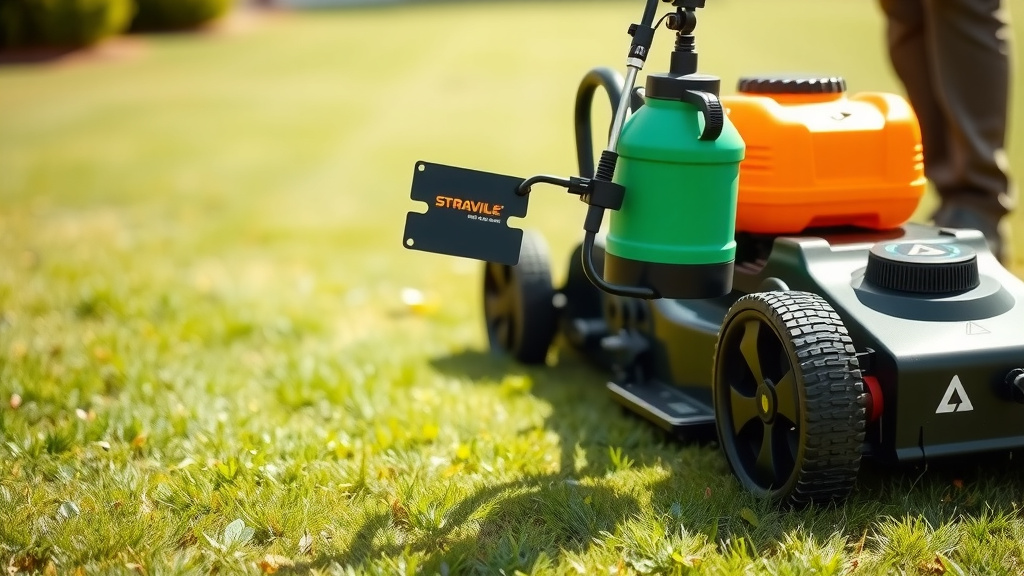
To mount a sprayer on a lawn mower, you generally attach the tank to the mower’s frame, connect the pump to the battery, and secure the boom or nozzles. This process often involves drilling, bolting, and careful wiring.
Many lawn care experts suggest choosing a sprayer that matches your mower’s capacity and ensuring all connections are secure for safe and efficient operation when you mount a sprayer on a lawn mower.
- Mounting a sprayer boosts your lawn care efficiency greatly.
- Choose a sprayer type that fits your mower and specific lawn needs.
- Gather tools like wrenches, drills, and wiring supplies before starting.
- Secure the tank firmly, connect the pump, and wire it correctly for power.
- Always test your sprayer thoroughly before applying any products to your lawn.
How To Mount A Sprayer On A Lawn Mower?
Mounting a sprayer on your lawn mower typically involves securing the tank to a sturdy part of the mower, connecting the pump to the power source, and attaching the spray boom or nozzles.
This allows you to apply herbicides, fertilizers, or pesticides efficiently as you mow, saving valuable time and effort.
Why Add a Sprayer to Your Lawn Mower?
Thinking about adding a sprayer? You are not alone. Many homeowners and lawn care professionals look for ways to make their work easier.
Attaching a sprayer to your mower can change your lawn care routine for the better. It makes applying liquids a breeze.
Saving Time and Effort
Imagine fertilizing your lawn or applying weed killer while you mow. It sounds great, doesn’t it?
We found that combining these two tasks dramatically reduces the time spent on yard work. It turns two jobs into one smooth operation.
Precision Application
A mounted sprayer offers much more control than a handheld unit. You can cover large areas evenly.
Many experts agree that this precision helps avoid over-application, which can damage your lawn or waste costly products.
Choosing the Right Sprayer for Your Mower
Before you grab your tools, you need the right equipment. Picking the correct sprayer is the first important step.
Consider your lawn size and what types of products you will be spraying. This will guide your choice.
Types of Sprayers
Sprayers come in a few main types. You will mainly choose between tow-behind models and mountable units.
Tow-behind sprayers are pulled behind your mower. Mountable sprayers are designed to attach directly to the mower’s frame.
Here’s a quick comparison to help you decide:
| Feature | Tow-Behind Sprayer | Mountable Sprayer |
|---|---|---|
| Maneuverability | Less nimble, wider turns needed | More agile, good for smaller spaces |
| Tank Capacity | Often larger tanks (15-25 gallons) | Usually smaller tanks (8-15 gallons) |
| Storage | Requires more storage space | More compact, easier to store |
| Setup | Easier to hitch and unhitch | More involved initial installation |
Factors to Consider
What tank size do you need? For a typical suburban yard, an 8- to 15-gallon tank is often plenty.
Also, look at the pump type. A 12-volt diaphragm pump is standard and reliable, offering consistent pressure (University of Florida Extension).
Consider the boom width too. A wider boom covers more ground. A narrower one is better for tight spaces or obstacles.
Essential Tools and Materials You’ll Need
Gathering everything beforehand saves you headaches. Think of it like cooking: you prep your ingredients first.
Having the right tools makes the installation much smoother and safer for you.
Here is a basic checklist:
- Wrench set (for bolts and nuts)
- Drill and drill bits (for mounting holes)
- Screwdriver set (Phillips and flathead)
- Wire strippers and crimpers (for electrical work)
- Zip ties or cable clamps (to secure wiring)
- Measuring tape and marker (for precise placement)
- Safety glasses and gloves (always important!)
Safety First: A Quick Reminder
Before you begin, always disconnect your mower’s battery. This prevents any accidental starts.
Wear your safety glasses! Drilling and cutting can send small particles flying, and your eyes are too important to risk.
Step-by-Step Guide: Attaching Your Sprayer
Ready to get your hands a little dirty? We will walk you through the process, one simple step at a time.
Remember, patience is a virtue, especially when working with machinery.
Step 1: Planning and Positioning
Find a good spot on your mower’s frame to mount the tank. The space above the rear axle is often ideal.
Make sure the tank is balanced and does not block your visibility or access to controls. Many experts suggest a test fit first.
Step 2: Securing the Tank
Once you have your spot, mark the drilling points. Drill carefully through the frame.
Use sturdy bolts, washers, and lock nuts to secure the sprayer tank firmly. You do not want it wiggling around during operation.
Step 3: Connecting the Pump and Hoses
Mount the pump near the battery if possible. Shorter wire runs are usually better.
Connect the suction hose from the tank to the pump. Then, run the pressure hose from the pump to your spray boom or nozzles.
Step 4: Wiring the Pump
This part needs a little care. Connect the positive (+) wire from the pump to your mower’s positive (+) battery terminal.
The negative (-) wire goes to the negative (-) battery terminal. You may want to add an inline fuse for extra protection (e.g., as advised by electrical safety guidelines).
Secure all wires neatly with zip ties, keeping them away from moving parts or hot areas.
Step 5: Attaching the Boom or Nozzles
Mount the spray boom or individual nozzles to the rear of your mower, ensuring they provide the desired spray pattern.
Adjust the height of the boom to get an even spray coverage across your lawn. Too high or too low can affect application.
Testing Your Newly Mounted Sprayer
You have done the hard work; now for the fun part: testing!
Fill the sprayer tank with plain water. Start your mower and turn on the pump.
Check for leaks in all connections. Watch the spray pattern to ensure it is even and covers the desired width.
Make any necessary adjustments to the nozzle angle or boom height. This test ensures everything works perfectly before you add expensive chemicals.
Common Mounting Challenges and Fixes
Sometimes, things do not go exactly as planned. That is okay! Many people face small hurdles.
Being prepared with some common solutions can save you time and frustration.
Vibration Issues
Does your sprayer rattle or shake a lot? This can loosen connections over time.
We found that adding rubber washers or anti-vibration pads at mounting points can greatly reduce shaking and noise.
Power Draw Concerns
Is your mower’s battery struggling to power the pump? This can happen with older batteries.
Ensure your battery is fully charged. If issues persist, consider a dedicated power switch or upgrading to a higher-capacity battery if needed.
Maintenance Tips for Your Sprayer
Once mounted, your sprayer will serve you well for years with proper care. A little maintenance goes a long way.
Regular cleaning is probably the most important thing you can do to keep it running smoothly.
After each use, flush the tank and hoses with clean water. This prevents chemical residue buildup.
Periodically check all hoses for cracks and connections for tightness. Store your sprayer in a clean, dry place during the off-season.
Conclusion
Mounting a sprayer on your lawn mower is a project that offers great rewards. You will save time, apply products with precision, and enjoy a healthier-looking lawn.
By carefully following these steps and keeping safety in mind, you can transform your lawn care routine. Remember to choose the right equipment, take your time with installation, and always perform a test run.
Happy spraying, and enjoy your beautiful yard!
Can I mount any sprayer onto any lawn mower?
Not every sprayer is compatible with every mower. You need to consider your mower’s frame strength, available mounting space, and battery capacity. Always check the sprayer’s specifications and your mower’s manual for compatibility before purchasing.
How do I power a 12-volt sprayer pump on my lawn mower?
A 12-volt sprayer pump typically connects directly to your lawn mower’s 12-volt battery. You will connect the pump’s positive wire to the battery’s positive terminal and the negative wire to the negative terminal. It’s often recommended to include an inline fuse for electrical protection.
What size sprayer tank is best for a typical residential lawn?
For a typical residential lawn, an 8- to 15-gallon sprayer tank is often sufficient. This size provides enough capacity to cover most yards without needing constant refills, yet it is not so heavy that it overburdens your mower’s frame.
How do I prevent clogs in my sprayer nozzles?
To prevent clogs, always use clean water and filter your chemicals before adding them to the tank. After each use, thoroughly flush the sprayer with clean water. Also, regularly inspect and clean the nozzles, removing any debris that may have accumulated.
Is it difficult to remove the sprayer once it’s mounted?
Removing a mounted sprayer can range from easy to moderately difficult, depending on how it was installed. If you used bolts and nuts, removal is straightforward. If custom brackets or extensive wiring were involved, it might take more time and effort, similar to the initial installation process.
