
How To Put A Lift Kit On A Lawn Mower?
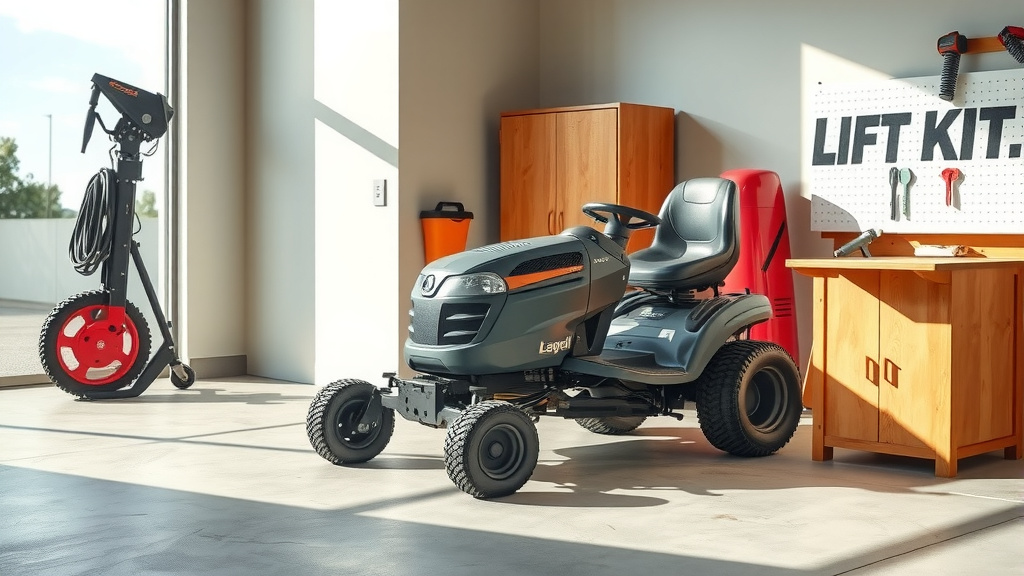
Putting a lift kit on a lawn mower involves carefully extending the suspension components to increase ground clearance, allowing for larger tires or better navigation over rough terrain. This modification is typically done to enhance the mower’s versatility and performance in specific landscaping challenges.
You can install a lawn mower lift kit by securing extensions or spacers to the existing suspension and deck lift points, ensuring proper alignment and stability for both the chassis and the cutting deck. Always prioritize safety and precise adjustments during the process.
- A lift kit increases your lawn mower’s ground clearance, letting you use bigger tires.
- It’s perfect for tackling uneven ground or areas with tall obstacles.
- Safety is paramount; gather the right tools and follow instructions carefully.
- The process involves lifting both the front and rear, then adjusting the cutting deck.
- Always double-check all connections and test your mower thoroughly afterward.
How To Put A Lift Kit On A Lawn Mower?
Putting a lift kit on your lawn mower means adding components to raise its body. This gives you more ground clearance and opens up new possibilities for its use. It’s a project many DIY enthusiasts enjoy.
Why Consider a Lift Kit for Your Mower?
Have you ever wished your mower could handle tougher spots? A lift kit might be your answer. Many homeowners find it boosts their mower’s capability significantly.
Tackling Rough Terrain
If your yard has bumps, roots, or uneven sections, a standard mower might scrape. We found that a lift kit provides the extra clearance needed to glide over these obstacles without damage.
Bigger Tires, Better Traction
Want to upgrade to larger, more aggressive tires? A lift kit often makes this possible. Many experts say bigger tires offer superior traction, especially on slopes or soft ground (Outdoor Power Equipment Institute).
Enhanced Aesthetics and Functionality
Let’s be honest, a lifted mower can look pretty cool. Beyond looks, this modification can make your mower more versatile. It transforms it into a more robust machine.
Is a Lift Kit Right for Your Lawn Mower?
Before you dive in, consider if this modification truly fits your needs. It’s a fun project, but not always necessary for every yard.
Weighing the Pros and Cons
On the plus side, you get better clearance and can use larger tires. On the downside, it requires an investment of time and money. Some also find it changes the mower’s center of gravity.
Understanding Your Mower’s Limitations
Not every mower is an ideal candidate for a lift kit. Research often connects the success of a lift with your mower’s original design. For instance, smaller consumer models may not benefit as much.
Safety First: Essential Precautions
Working on any machinery requires caution. Your safety is the most important thing. Always keep these steps in mind before starting.
Disconnecting the Spark Plug
This is non-negotiable. Always disconnect the spark plug wire first. It prevents accidental starting, keeping you safe from moving blades.
Using Proper Jack Stands
Never rely solely on a jack. Once lifted, support your mower with sturdy jack stands. This provides a stable and secure working platform.
Wearing Protective Gear
Gloves, safety glasses, and sturdy shoes are your friends. Metal components can be sharp, and things can shift. Protect yourself from potential hazards.
Tools You’ll Need for the Job
Having the right tools makes all the difference. Gathering everything beforehand saves time and frustration. Here’s a quick list:
| Tool | Purpose |
|---|---|
| Wrench Set/Sockets | Removing and tightening bolts |
| Floor Jack | Lifting the mower safely |
| Jack Stands | Supporting the mower once lifted |
| Measuring Tape | Checking deck height and alignment |
| Pry Bar (Optional) | Helping with stubborn components |
Before You Start: Pre-Installation Checklist
A little preparation goes a long way. Before grabbing your wrenches, run through these quick checks. It helps ensure a smooth installation.
- Review your lift kit’s instructions thoroughly.
- Ensure you have all kit components.
- Confirm your mower is on a level, stable surface.
- Locate the spark plug and disconnect it.
- Clear your workspace of clutter and potential trip hazards.
Step-by-Step Guide: Installing Your Lift Kit
Ready to get started? We’ll walk through the process, section by section. Remember to take your time with each step.
Preparing Your Mower
First, park your mower on a flat, solid surface. Engage the parking brake. Disconnect the spark plug wire now if you haven’t already. This ensures the mower won’t accidentally start.
Lifting the Front End
Use your floor jack to carefully lift the front of the mower. Place jack stands securely under the frame. Do this on both sides for stability. Make sure the mower is truly stable before proceeding.
Installing Front Spacers or Extensions
Most lift kits provide spacers or longer shackles for the front. Attach these according to your kit’s instructions. This usually involves removing existing bolts, placing the new components, and re-securing everything. Tighten bolts to specification (Manufacturer Guidelines).
Lifting the Rear End
Lower the front carefully. Now, move your jack to the rear of the mower. Lift the rear and position jack stands firmly under the frame. Again, ensure the mower is completely secure on the stands.
Installing Rear Spacers or Extensions
Similar to the front, install the lift components on the rear suspension. These might be blocks, longer springs, or new mounts. Secure all bolts tightly. We found that proper tightening prevents wobbles and ensures safety.
Adjusting the Deck Height
Once the lift kit is installed, your cutting deck will sit higher. You’ll need to adjust the deck linkages to achieve your desired cutting height. Many experts suggest setting the deck slightly higher than before. This might involve new longer lift rods or adjusting existing ones.
Final Checks and Testing
Lower your mower carefully from the jack stands. Reconnect the spark plug wire. Before you mow, test all functions. Drive it slowly, check steering, and listen for any unusual noises. Ensure the deck lifts and lowers smoothly.
Addressing Potential Challenges
Sometimes, things don’t go exactly as planned. Don’t worry, many challenges are common and solvable.
Difficulty with Bolt Removal
Older mowers can have stubborn, rusted bolts. Apply penetrating oil and let it sit. Sometimes, a little heat (carefully!) or a breaker bar helps. Always prioritize not stripping the bolt head.
Uneven Lift
If one side is higher, double-check all component placements. Ensure bolts are tightened evenly. Sometimes, measuring from the frame to the ground helps diagnose the issue. Adjust as needed until even.
Maintaining Your Lifted Mower
A lifted mower needs a bit of extra attention. Regular checks keep it running smoothly and safely.
Regular Bolt Checks
After a few uses, re-check all the bolts on your lift kit. Vibrations can loosen them over time. Specialists suggest periodic inspections to maintain safety.
Tire Pressure and Alignment
With larger tires, maintaining correct pressure is crucial. Also, monitor tire wear. Significant changes in handling might mean you need to check alignment, though this is less common on lawn mowers (Tire Industry Association).
Conclusion
Installing a lift kit on your lawn mower can truly transform its capabilities, allowing it to conquer tougher terrains and sport a more robust look. It’s a rewarding DIY project that gives you more control over your landscaping challenges. Remember, careful planning, strict adherence to safety protocols, and precise installation are the keys to a successful outcome. By following these steps and giving your modified mower the right attention, you’ll soon be enjoying its enhanced performance.
Can I put a lift kit on any lawn mower?
While theoretically possible for many models, lift kits are most commonly available and practical for zero-turn mowers and larger riding lawn tractors. Smaller or push mowers generally don’t have the chassis or suspension design to support a lift kit effectively.
How much does a lawn mower lift kit typically cost?
The cost of a lawn mower lift kit can vary widely, typically ranging from $100 to $400, depending on the mower model, the brand of the kit, and the materials used. Custom fabrication can be more expensive.
Will a lift kit affect my mower’s warranty?
Yes, modifying your lawn mower with an aftermarket lift kit can potentially void your manufacturer’s warranty. It’s always best to check your mower’s warranty terms before making any significant modifications.
Do I need to make other adjustments after installing a lift kit?
Absolutely. The most critical adjustment is to the cutting deck, as it will be higher after the lift. You’ll need to re-level it and adjust its height linkages to ensure a proper cut. You might also need to consider longer drive belts if the suspension geometry changes significantly.
What are the downsides of lifting a lawn mower?
Lifting a lawn mower can raise its center of gravity, potentially making it less stable on sloped terrain. It might also increase the effort needed to steer and could put more stress on some original components. Always prioritize stability and safe operation after any modification.
