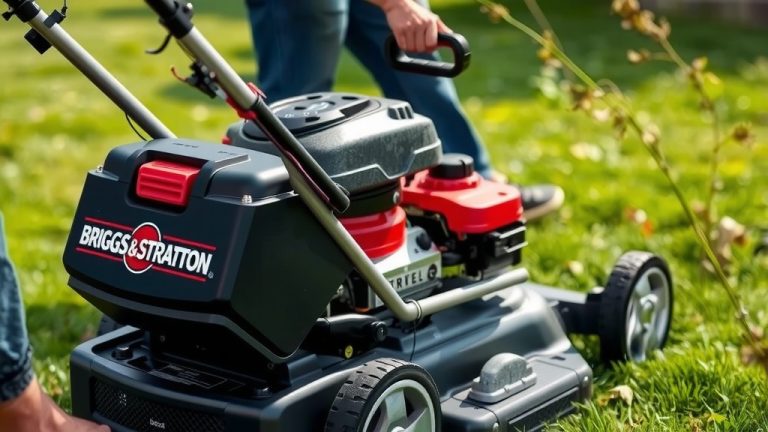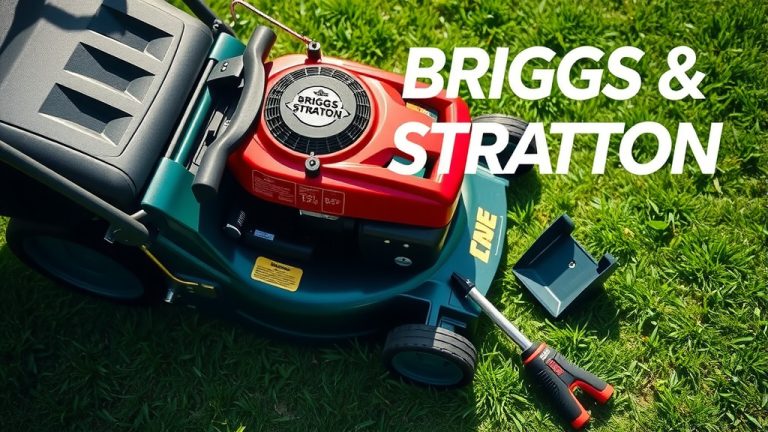
How To Repair Briggs & Stratton Lawn Mower?

To repair a Briggs & Stratton lawn mower, you often begin by checking the fuel, spark plug, and air filter for common starting issues. Simple troubleshooting like cleaning components or replacing worn parts can often get your Briggs & Stratton engine running smoothly again.
Many common Briggs & Stratton lawn mower problems have straightforward solutions. You can usually fix issues like a failure to start or loss of power by addressing:
- Fuel system clogs or stale gas.
- Dirty or faulty spark plugs and wires.
- Obstructed air filters reducing airflow.
- Carburetor blockages preventing proper fuel mix.
- Dull or damaged blades impacting performance.
How To Repair Briggs & Stratton Lawn Mower?
Repairing your Briggs & Stratton lawn mower can seem daunting, but it often involves a few common diagnostic steps. By systematically checking key components, you can pinpoint and fix many issues yourself, saving time and money.
Understanding Your Briggs & Stratton Engine
Briggs & Stratton engines are known for their reliability. However, like any machine, they require occasional care and troubleshooting. Understanding how these engines generally work helps in diagnosing problems.
We found that most repair challenges stem from routine maintenance oversights (Briggs & Stratton Official Guides). A little preventative effort goes a long way.
Common Briggs & Stratton Mower Problems
Let’s dive into the common issues you might face. Knowing these can help you quickly identify what’s wrong with your trusty mower.
Engine Won’t Start
This is perhaps the most frustrating problem. You pull the cord, and nothing happens. Or perhaps it just sputters.
Many experts say this is the most frequent complaint from homeowners. Don’t worry, it’s often an easy fix!
Fuel Issues
Your engine needs good fuel. Stale gasoline is a common culprit for starting problems. Gas can go bad in as little as 30 days.
Also, check your fuel tank level. Is there enough gas? Is the fuel line clear? Sometimes, a simple visual inspection reveals a kink or clog.
Spark Plug Problems
The spark plug provides the spark that ignites the fuel-air mixture. If it’s dirty, worn, or faulty, your engine won’t start.
A quick inspection can tell you a lot. Does it look dark, oily, or corroded? You might need to clean or replace it.
Air Filter Obstruction
An engine needs air, too! A clogged air filter chokes the engine, preventing it from starting or running properly. It’s like trying to breathe with a pillow over your face.
This is often overlooked but can cause significant power issues. We found that cleaning or replacing the air filter can make a huge difference.
Engine Starts Then Dies
This issue suggests that something is interrupting the fuel or air supply after ignition. It’s a common symptom that points to specific areas.
Carburetor Woes
The carburetor mixes air and fuel. If it’s dirty or has clogged jets, the engine might start but then quickly run out of the proper fuel mix. Ethanol in modern fuel can often lead to these clogs over time (EPA guidelines).
This is a more involved repair, but often just needs a good cleaning.
Vent Cap Clogging
Believe it or not, your fuel tank needs to breathe. The vent cap allows air into the tank as fuel is used. If it’s clogged, a vacuum forms, starving the engine of fuel.
Simply loosen or remove the cap and try to start the mower. If it runs, you know the problem!
Loss of Power While Mowing
Is your mower struggling through thicker grass? Or perhaps it just feels weaker than usual? This could be several things.
Blade Condition
A dull or damaged blade isn’t just inefficient; it makes your engine work much harder. It tears grass instead of cutting it cleanly. Imagine trying to cut steak with a butter knife.
Regularly sharpening or replacing your blade is a simple yet effective maintenance step. Inspect your blades frequently for nicks and bends.
Deck Height
Cutting grass too low forces the engine to do extra work. This is especially true in thick, lush areas. Adjusting your deck height can often resolve this power issue instantly.
Essential Tools for DIY Repair
Having the right tools makes any repair job easier and safer. Here’s what you’ll typically need:
- Spark plug wrench
- Socket set (for various nuts and bolts)
- Screwdrivers (flathead and Phillips)
- Wire brush (for spark plug cleaning)
- Fuel stabilizer
- Gloves and safety glasses
- Shop rags
Step-by-Step Troubleshooting Guide
Ready to get your hands a little dirty? Let’s walk through some common fixes.
Safety First!
Before you touch anything, always disconnect the spark plug wire. This prevents accidental starting. Also, ensure the engine is cool.
You want to protect yourself from moving parts and hot surfaces. Safety should always be your top priority.
Check the Fuel System
First, inspect your gas. Is it fresh? If not, drain the old fuel and add new, stabilized fuel. Many experts suggest using a fuel stabilizer with every fill-up for storage (Briggs & Stratton Recommendations).
Next, check the fuel line for blockages. You might need to remove it and blow air through it.
Inspect the Spark Plug
Using a spark plug wrench, carefully remove the plug. Look at the electrode. Is it clean and tan-colored? If it’s black, oily, or corroded, clean it with a wire brush or replace it.
Always use the correct gap when installing a new plug. Your mower’s manual will have this specification.
Clean or Replace the Air Filter
Locate the air filter housing, usually on the side of the engine. Remove the filter. Paper filters can be gently tapped clean or replaced. Foam filters can sometimes be washed with soap and water, then oiled.
Ensure the filter is completely dry before reinstalling. A dirty filter is a quick way to lose power.
Examine the Carburetor
This is where things can get a bit more involved. If you suspect a clogged carburetor, you might need to remove it and clean its internal jets with carburetor cleaner. Be meticulous when reassembling, as tiny parts are involved.
For more severe clogs, or if you’re uncomfortable, a professional might be best. Many people prefer to simply replace the carburetor on older models.
Blade Inspection and Maintenance
Tilt your mower back (fuel tank side up to prevent spills). Inspect the blade for chips, bends, or dullness. You can sharpen a dull blade with a file or grinder.
If the blade is severely damaged, replace it. A balanced blade is crucial for smooth operation and engine longevity.
When to Call a Professional
Sometimes, despite your best efforts, a repair might be beyond your comfort level or expertise. That’s perfectly okay!
If you’re dealing with consistent carburetor issues, strange engine noises, or if you just can’t pinpoint the problem after basic checks, it’s time for a pro. Don’t risk further damage by guessing.
| Problem | Common Cause | Quick Fix |
|---|---|---|
| Engine Won’t Start | Stale fuel, dirty spark plug, clogged air filter | Drain fuel, replace plug, clean/replace filter |
| Starts, Then Dies | Clogged carburetor, restricted fuel flow | Clean carburetor, check fuel lines/cap |
| Loss of Power | Dull blade, too-low deck, dirty air filter | Sharpen blade, adjust deck, clean filter |
| Excessive Smoke | Overfilled oil, tilted mower (burning oil) | Check oil level, operate on level ground |
Pre-Mow Quick Check Checklist
A few seconds before each mow can prevent bigger headaches later. Make this a habit!
- Check fuel level: Is it fresh?
- Inspect oil level: Top off if needed.
- Examine air filter: Is it clean?
- Look at the blade: Is it sharp and secure?
- Clear deck: Remove any debris from under the deck.
Conclusion
Repairing your Briggs & Stratton lawn mower doesn’t have to be intimidating. By understanding common issues and following a systematic approach, you can fix many problems yourself. Remember to prioritize safety and don’t hesitate to seek professional help for complex issues. With a little care, your mower will keep your lawn looking fantastic for seasons to come. You’ve got this!
What causes a Briggs & Stratton engine to smoke?
Smoking often indicates an issue with oil. You might have overfilled the oil reservoir, or the mower was tilted improperly during storage or transport, allowing oil to seep into the muffler or combustion chamber. Check your oil dipstick and ensure the mower is always operated on level ground.
How often should I change the oil in my Briggs & Stratton mower?
Many manufacturers, including Briggs & Stratton, recommend changing the oil after the first 5 hours of use and then every 50 hours or once per season, whichever comes first. Regular oil changes prolong engine life and maintain performance (Briggs & Stratton Maintenance Guides).
Why is my Briggs & Stratton mower running rough or sputtering?
A rough-running or sputtering engine often points to a fuel-air mixture problem. This could be due to a dirty or clogged carburetor jet, a restricted fuel filter, or even a partially blocked air filter. Inspecting these components is a good starting point.
Can I use car gasoline in my Briggs & Stratton lawn mower?
Yes, you can use regular unleaded gasoline (typically 87 octane) from a car gas pump. However, it’s crucial to use fresh fuel and consider adding a fuel stabilizer, especially if the fuel will sit in the tank for more than a few weeks. Avoid fuels with high ethanol content (over 10%) as they can damage small engine components over time.
What’s the best way to store my Briggs & Stratton mower for winter?
For winter storage, either run the fuel tank completely dry or fill it with fresh fuel treated with a stabilizer. Remove and clean or replace the spark plug, then add a small amount of oil into the cylinder before reinstalling the plug. Clean the mower deck and lubricate moving parts. Storing it in a dry, covered area protects it from the elements.