How To Service Briggs & Stratton Lawn Mower?
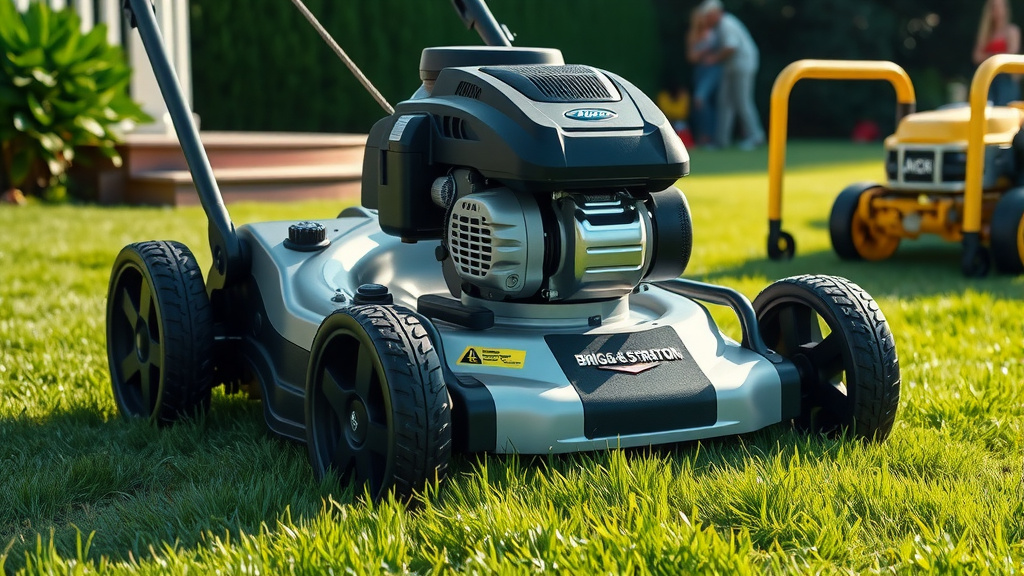
To effectively service your Briggs & Stratton lawn mower, you generally need to replace the spark plug, change the oil, clean or replace the air filter, and sharpen the cutting blade. This essential maintenance prevents breakdowns, ensures peak performance, and significantly extends the life of your Briggs & Stratton engine and mower.
Here’s a quick overview of what you’ll learn in this guide:
- Understanding the simple steps to keep your Briggs & Stratton engine healthy.
- Discovering the basic tools you need for common mower maintenance.
- Learning how to perform key tasks like changing oil and spark plugs.
- Finding out why regular servicing is a smart move for your lawn mower.
How To Service Briggs & Stratton Lawn Mower?
Servicing your Briggs & Stratton lawn mower involves a few key steps to ensure it runs efficiently and lasts for years.
You’ll primarily focus on the engine, fuel system, and cutting deck for optimal performance and a great-looking lawn.
Safety First: Always Power Down
Before you even think about touching your mower, safety is paramount. Always disconnect the spark plug wire first.
This simple step prevents accidental starting, keeping your fingers and hands safe from unexpected movement.
Gather Your Tools: Be Prepared
Having the right tools makes the job much easier, almost like having a pit crew for your mower.
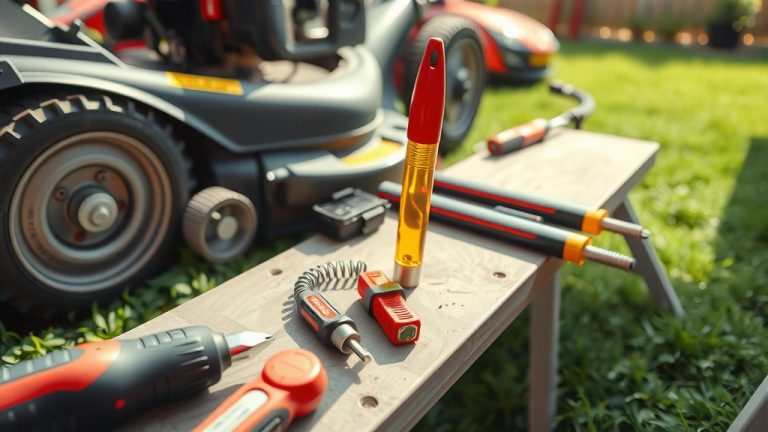
You’ll generally need a socket wrench set, a spark plug wrench, an oil drain pan, and a few rags (Briggs & Stratton).
Essential Tool Checklist
- Socket Wrench Set (for bolts and nuts)
- Spark Plug Wrench (specialized for spark plugs)
- Drain Pan (for old oil and fuel)
- Funnel (to add new oil and fuel)
- Wire Brush (for cleaning spark plugs)
- Blade Wrench (for blade removal)
- Torque Wrench (for proper bolt tightening)
The Oil Change: Engine’s Lifeblood
Changing the oil is one of the most important maintenance tasks for your Briggs & Stratton engine.
Old oil can get sludgy and abrasive, much like trying to run your car on old, dirty motor oil.
Draining the Old Oil
First, run your mower for a few minutes to warm the oil, which helps it drain more easily.
Then, disconnect the spark plug, tilt the mower (air filter side up!), and remove the oil fill plug to let the oil drain into your pan.
Adding Fresh Oil
Once all the old oil is out, replace the drain plug and carefully add new oil using a funnel.
Always check your mower’s manual for the correct oil type and capacity; many models use SAE 30 or 10W-30 (Briggs & Stratton).
Air Filter Inspection: Engine’s Breath
Your air filter is like the lungs of your engine, keeping dirt and debris out.
A clogged filter can make your engine gasp for air, leading to reduced power and efficiency.
Cleaning or Replacing the Filter
Remove the air filter cover and inspect the filter element. If it’s just dusty, you might be able to tap it clean.
However, if it’s oily, torn, or excessively dirty, it’s best to replace it with a new one to ensure proper airflow (Briggs & Stratton).
Spark Plug Service: The Ignition Point
The spark plug creates the spark that ignites the fuel, getting your engine going.
A dirty or worn spark plug can lead to hard starting and engine misfires.
Checking and Cleaning the Spark Plug
Use your spark plug wrench to carefully remove the plug. Look for any carbon buildup or damage.
If it’s just a bit sooty, you can clean it gently with a wire brush. Always check the gap with a feeler gauge if recommended by your manual.
When to Replace the Spark Plug
If the spark plug is heavily corroded, cracked, or if the electrode looks worn down, it’s time for a replacement.
A new spark plug is a small investment that can make a big difference in starting reliability and engine performance.
Fuel System Check: Preventing Problems
Old or contaminated fuel is a common culprit for a mower that won’t start or runs poorly.
Many experts say it’s best to drain old fuel at the end of the season or if it’s been sitting for months.
Using Fresh Fuel and Stabilizer
Always use fresh, clean gasoline. For longer storage, we found that adding a fuel stabilizer can prevent gumming and corrosion.
This simple additive keeps your fuel fresh for months, saving you headaches when spring arrives (Briggs & Stratton).
Blade Sharpening: A Crisp Cut
A dull blade tears grass, leaving your lawn looking ragged and making your mower work harder.
Imagine trying to cut paper with dull scissors; it’s just not effective, right?
Removing and Sharpening the Blade
With the spark plug disconnected, tilt the mower again (carburetor side up) and use a blade wrench to carefully remove the blade bolt.
You can sharpen the blade with a file or grinder, ensuring you maintain its original angle and balance. Alternatively, many hardware stores offer sharpening services.
Balancing the Blade
After sharpening, it’s really important to balance the blade. An unbalanced blade can cause excessive vibration, which stresses the engine and bearings.
You can use a simple blade balancer tool to make sure it’s evenly weighted before reattaching it (Briggs & Stratton).
Deck Cleaning: Beneath the Surface
Grass clippings can build up under the deck, reducing cutting efficiency and even causing rust.
We found that regular cleaning keeps your deck in good shape and helps prevent disease spread between grass blades.
Washing the Underside
Once again, disconnect that spark plug! Then, scrape off any thick buildup with a putty knife or scraper.
You can then use a hose to rinse the underside, making sure to avoid getting water into the air filter or exhaust port.
Seasonal Maintenance Table
Here’s a quick guide to help you remember when to perform key service tasks for your Briggs & Stratton mower:
| Maintenance Task | Frequency (Approx.) |
|---|---|
| Check Oil Level | Before each use |
| Clean Deck Underside | After each use or every few uses |
| Change Oil | Annually or every 50 hours |
| Check/Replace Air Filter | Annually or every 25 hours |
| Check/Replace Spark Plug | Annually or every 100 hours |
| Sharpen/Balance Blade | Annually or as needed |
Conclusion
Servicing your Briggs & Stratton lawn mower doesn’t have to be a daunting task. By following these straightforward steps, you can keep your machine running smoothly for many seasons.
Remember, a well-maintained mower not only cuts better but also lasts longer, saving you time and money in the long run. Take a little time now, and your lawn will thank you later!
How often should I change the oil in my Briggs & Stratton lawn mower?
Most Briggs & Stratton engines require an oil change annually or after every 50 hours of operation, whichever comes first. Checking your owner’s manual will give you the most precise recommendation for your specific model.
Can I use car oil in my Briggs & Stratton lawn mower?
While some multi-viscosity engine oils might be compatible, it’s generally best to use oils specifically recommended for small engines, such as SAE 30 or 10W-30. Car oils often lack the additives needed for air-cooled mower engines, potentially leading to premature wear.
What are the signs that my lawn mower blade needs sharpening?
You’ll notice your blade needs sharpening if your lawn looks ragged, torn, or uneven after mowing, rather than cleanly cut. Additionally, if the grass tips appear brownish or frayed a day or two after mowing, a dull blade is likely the cause.
Is it really important to disconnect the spark plug before working on the mower?
Absolutely! Disconnecting the spark plug wire is a crucial safety step. It prevents the engine from accidentally starting while you’re working on it, which could cause serious injury from the moving blade.
My lawn mower won’t start after sitting all winter. What’s the most likely problem?
If your mower won’t start after winter storage, the most common issue is old or stale fuel. Gasoline can degrade and cause clogs in the carburetor. Try draining the old fuel, adding fresh gas with a fuel stabilizer, and checking the spark plug.