
How To Shop For A Lawn Mower?
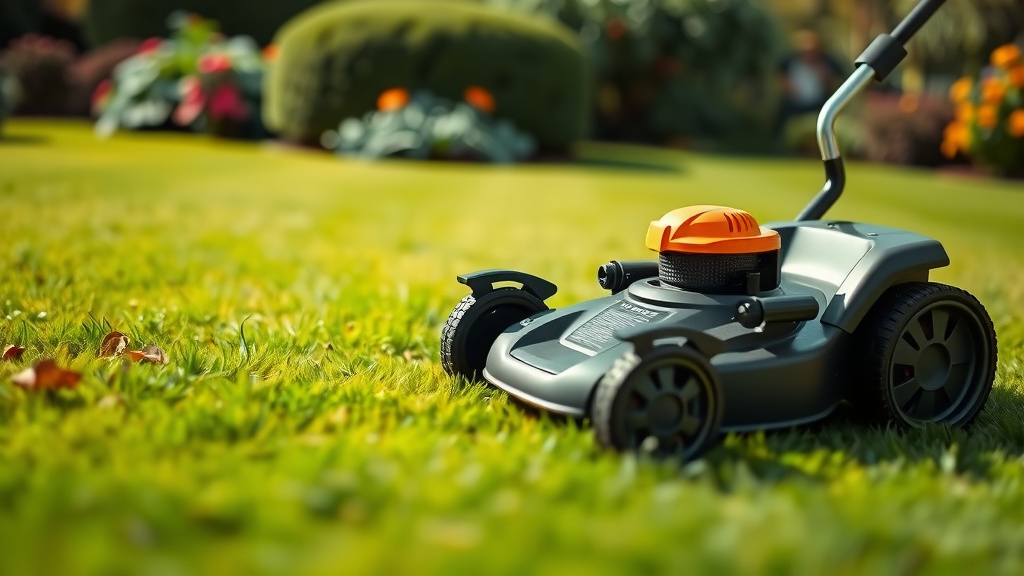
To shop for a lawn mower, first assess your yard size, terrain, and grass type to match it with the right mower type, power source, and essential features.
Look for features like deck size, cutting height adjustments, and grass disposal options to ensure the lawn mower fits your specific lawn care needs.
- Understand your yard’s unique characteristics before you start browsing mowers.
- Different mower types, from push to robotic, suit various yard sizes and effort levels.
- Choose between gas, corded electric, or battery-powered options based on convenience and power.
- Prioritize features like deck size, cutting adjustments, and mulching capabilities.
- Set a realistic budget, considering both initial cost and long-term maintenance.
Shopping for a new lawn mower can feel like a big task. Where do you even begin? We get it. There are so many options out there, it’s easy to feel overwhelmed.
But don’t worry, we’re here to guide you through it. Think of this as your friendly, expert cheat sheet to finding the perfect mower for your yard.
Let’s make this journey simple, practical, and maybe even a little fun. You’ll soon be mowing like a pro!
How To Shop For A Lawn Mower?
To shop for a lawn mower effectively, begin by evaluating your lawn’s specific requirements, then explore mower types, power options, and crucial features. This helps you select a machine that precisely matches your yard work. Many experts say that matching the mower to your yard is the most important first step (Consumer Reports).
Understanding Your Yard’s Needs
Before looking at shiny new mowers, take a good look at your lawn. It’s like buying shoes; you wouldn’t get hiking boots for a ballroom dance, would you? Your yard has its own personality.
Knowing its traits will narrow down your choices significantly. This foundational understanding prevents common buying mistakes.
Yard Size Matters
How big is your lawn? This is probably the single most important factor. A small city patch is very different from a sprawling suburban estate.
- Small Yards (under 1/4 acre): A simple reel mower or an electric push mower might be perfect. They are easy to store and maneuver.
- Medium Yards (1/4 to 1/2 acre): A self-propelled gas or battery-powered mower often works best. You get power without too much effort.
- Large Yards (over 1/2 acre): Consider a riding mower or a lawn tractor. You’ll save hours of time and physical strain.
Terrain Challenges
Is your lawn flat as a pancake or filled with hills and slopes? Are there lots of trees, flower beds, or other obstacles?
Hilly terrain means you’ll want a self-propelled or riding mower with good traction. Lots of tight spaces suggest a smaller, more nimble machine. Uneven ground might require a mower with larger wheels.
Grass Type and Height
Do you have thick, tough grass or finer, easily cut varieties? How tall do you let it grow between cuts?
Some grasses need more power to cut cleanly. If you often let your grass get quite long, you’ll need a mower with higher cutting power and perhaps adjustable cutting heights. We found that mowers with strong engines handle tall, dense grass better.
Types of Lawn Mowers
The market offers a diverse range of lawn mowers, each designed for specific needs. Let’s break down the common types you’ll encounter.
Reel Mowers: The Eco-Friendly Choice
These are the classics, often human-powered. They cut grass like scissors, giving a very clean, healthy cut.
They are quiet, eco-friendly, and perfect for smaller, flat lawns. However, they require more effort and don’t do well with tall weeds.
Push Mowers: Simple and Reliable
Push mowers are typically gas or electric and require you to push them. They are a good option for small to medium, flat yards. They are generally more affordable and easy to maintain.
It’s a great way to get some exercise, but can be tiring on larger areas.
Self-Propelled Mowers: Less Effort, More Power
These mowers do the pushing for you. They have a transmission that drives the wheels, greatly reducing your effort. We found that self-propelled models are ideal for medium-sized lawns or yards with slight inclines (Gardening Know How).
They are usually gas-powered but electric versions are also available.
Riding Mowers: For Larger Lawns
If you have a half-acre or more, a riding mower is a game-changer. You sit on it and drive, saving hours of walking. They come in various styles, like lawn tractors or zero-turn mowers.
Zero-turn mowers are fantastic for yards with lots of obstacles, offering superior maneuverability.
Robotic Mowers: The Future is Here
Imagine your lawn getting mowed while you relax. Robotic mowers do just that! They are battery-powered and operate autonomously within a set boundary.
They are best for well-maintained, medium-sized lawns and offer a hands-off approach to lawn care. Many experts say they offer convenience and consistent cutting, though the initial cost is higher.
Power Sources: What Drives Your Mower?
Once you pick a mower type, you’ll need to choose its power source. Each has its pros and cons, affecting noise, maintenance, and environmental impact.
Gas-Powered Mowers
These are the traditional workhorses, known for their power and ability to tackle tough jobs. They offer unlimited run time as long as you have fuel.
However, they require more maintenance, produce emissions, and can be noisy. They are a strong choice for larger yards and thick grass.
Electric Mowers (Corded vs. Cordless)
Electric mowers are quieter, cleaner, and require less maintenance than gas models. They are generally lighter and easier to start.
- Corded Electric: Lighter and often less expensive. The cord limits your range, making them best for smaller yards. Managing the cord can be a hassle.
- Cordless (Battery-Powered): Offer the freedom of gas with the convenience of electric. Battery life is a consideration, but advancements mean longer run times. They are great for medium-sized yards or where noise is a concern.
Key Features to Look For
Beyond the basic type and power, certain features can make a big difference in your mowing experience.
Deck Size: Wider is Faster
The deck size refers to the cutting width of the mower. A wider deck means fewer passes across your lawn, saving you time.
For smaller yards, a 16-18 inch deck is fine. Medium yards benefit from 20-22 inches. Riding mowers can have decks from 30 to over 60 inches. However, a wider deck can be harder to maneuver in tight spots.
Cutting Height Adjustments
Being able to adjust the cutting height is essential for a healthy lawn. You might want to cut higher in summer to protect roots or lower in spring for a tidy look. We found that easy-to-use height adjustment levers are a big plus.
Look for single-point adjustments or a few simple levers, not individual wheel adjustments.
Mulching, Bagging, or Side Discharge?
What do you do with the grass clippings? Most mowers offer one or more options:
- Mulching: Finely chops clippings and returns them to the lawn as natural fertilizer. This is great for lawn health.
- Bagging: Collects clippings in a bag, keeping your lawn tidy but requiring you to empty the bag.
- Side Discharge: Shoots clippings out the side, useful for very tall grass where mulching or bagging would clog the mower.
Many modern mowers are “3-in-1” models, offering all three options for versatility.
Starting Mechanism
How easy is it to start the mower? Gas models can have pull-cords (often frustrating) or electric key starts (much easier). Electric mowers usually have simple push-button starts.
An easy start system can save you a lot of hassle and arm strain. Research often points to electric start as a top convenience factor (Consumer Reports).
Comfort and Ergonomics
Think about handle comfort, wheel size, and maneuverability. Adjustable handles can reduce back strain. Larger wheels can make it easier to push over uneven ground. If you’re going to spend time behind a mower, comfort matters.
Setting Your Budget
Lawn mowers range widely in price, from under $200 for a basic push mower to several thousand for high-end riding or robotic models. Set a realistic budget based on your needs and expected usage.
Remember to consider long-term costs like fuel, oil, maintenance, and replacement parts. A slightly more expensive mower that lasts longer and performs better might be a better value in the long run.
| Mower Type | Best For | Pros | Cons |
|---|---|---|---|
| Reel | Small, flat lawns | Quiet, eco-friendly, clean cut | Requires effort, struggles with tall grass |
| Push (Gas/Electric) | Small to medium, flat yards | Affordable, simple, good exercise | Can be tiring, cord limits electric |
| Self-Propelled | Medium lawns, gentle slopes | Less effort, good power | More expensive than push, heavier |
| Riding (Tractor/Zero-Turn) | Large lawns (1/2+ acre) | Fast, comfortable, handles big areas | High cost, requires storage, maintenance |
| Robotic | Well-maintained, medium lawns | Fully autonomous, quiet, consistent | High initial cost, complex setup, not for wild lawns |
Your Mower Shopping Checklist
Use this quick checklist to ensure you’ve considered all the important points before making your purchase:
- Have you accurately measured your lawn size?
- Have you noted any slopes, obstacles, or uneven areas?
- Is the chosen mower type suitable for your yard’s conditions?
- Have you considered gas, corded, or battery power options?
- Does the deck size match your desired mowing speed and maneuverability?
- Are the cutting height adjustments easy to use?
- Does it offer mulching, bagging, or side discharge, as you prefer?
- Does the starting mechanism seem reliable and easy for you?
- Have you set a budget that includes potential running costs?
Conclusion
Choosing the right lawn mower doesn’t have to be a guessing game. By taking the time to understand your yard’s unique characteristics and matching them with the right mower type, power source, and key features, you’ll make a decision you’ll be happy with for years to come.
Remember, the best lawn mower isn’t always the most expensive or feature-rich one. It’s the one that best suits your specific needs, making lawn care a manageable and even enjoyable task. Happy mowing!
What is the best type of lawn mower for a small yard?
For a small yard (under 1/4 acre), a reel mower or a corded electric push mower is usually the best choice. They are compact, easy to maneuver in tight spaces, and simpler to store.
Are battery-powered lawn mowers as powerful as gas mowers?
For most residential applications, modern battery-powered lawn mowers offer comparable power to gas models. They are continuously improving, offering strong cutting performance, especially for medium-sized lawns. Research often shows that battery technology has significantly advanced (Consumer Reports).
How often should I get my lawn mower serviced?
Many experts say it is a good idea to service your lawn mower at least once a year, typically before the start of the mowing season. This includes checking the blade, spark plug, air filter, and oil levels, ensuring it performs optimally.
Can I use a riding mower on a hilly lawn?
Yes, you can use certain riding mowers on hilly lawns, but you need to select one specifically designed for slopes. Look for models with lower centers of gravity, good traction, and powerful engines. Always check the manufacturer’s recommendations for maximum slope angle.
What’s the benefit of a mulching mower?
A mulching mower finely chops grass clippings and returns them to your lawn. This acts as a natural fertilizer, returning vital nutrients to the soil and reducing the need for chemical fertilizers. It also means you don’t have to bag and dispose of clippings.
