
How To Stop Lawn Mower Shooting Rocks?
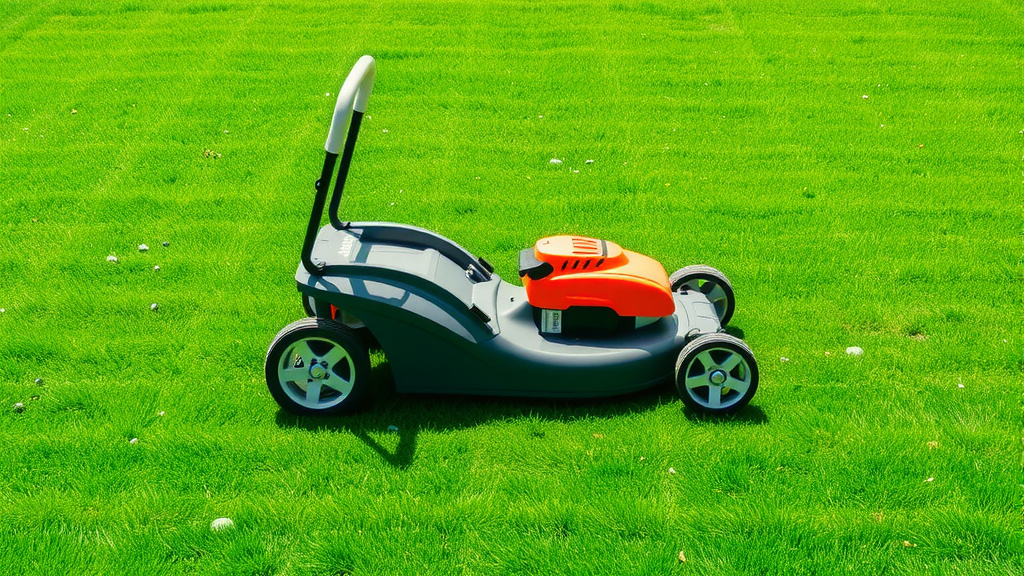
To stop your lawn mower shooting rocks, thoroughly clear your lawn of all debris before mowing, adjust your mower deck to a higher setting, and always use a grass catcher.
These key actions significantly reduce the chance of your lawn mower becoming a hazard, protecting both you and your property from flying projectiles.
Here’s a quick rundown to keep your yard safe and your mower happy:
- Always clear your lawn of stones, toys, and sticks before starting.
- Raise your mower deck height to avoid scraping the ground.
- Check your blades for damage and keep them sharp.
- Consider using a grass catcher to contain clippings and any stray debris.
- Mow at a slower pace and adjust your mowing direction.
How To Stop Lawn Mower Shooting Rocks?
Stopping your lawn mower from shooting rocks is mostly about careful preparation and smart mowing habits. You can largely prevent this dangerous issue by making a few simple changes to your routine. Let’s dig into how you can make your mowing experience safer.
Understanding Why Your Mower Becomes a Stone Slinger
Have you ever wondered why your lawn mower sometimes turns into a projectile launcher? It’s not magic, but rather a combination of physics and circumstance. The primary culprit is often loose debris lying on your lawn.
Your mower’s powerful blades spin at incredible speeds. When these blades strike a rock or a hard object, they can propel it outward with surprising force. Think of it like hitting a baseball – the faster the swing, the further the ball travels.
Another significant factor is issues with your mower’s deck or blades. A damaged deck or dull blade might not just cut poorly; it can also mishandle any debris it encounters. We often find that a quick inspection can reveal these hidden problems.
The Hidden Dangers of Flying Debris
It might seem like a small stone, but flying debris from a lawn mower carries serious risks. These projectiles can cause severe personal injuries. Many experts say eye injuries are a common concern (Mayo Clinic).
Beyond personal safety, think about the damage to your property. A rock can shatter windows, dent cars, or harm fences. This makes a clear pre-mowing routine not just a suggestion, but a necessity for peace of mind.
Your Pre-Mowing Ritual: The Ultimate Defense
The most effective way to stop your lawn mower from shooting rocks starts before you even turn the key. A thorough pre-mowing clean-up is your first and best line of defense. Think of it as preparing your battlefield.
Before you start your mower, take a slow, deliberate walk across your entire lawn. This “walk-through” method helps you spot hidden dangers. You might be surprised by what you find—toys, branches, and especially rocks love to hide in tall grass.
Pick up anything that doesn’t belong. This simple act saves you from potential headaches and hazards later on. Many lawn care pros swear by this step, claiming it prevents most rock-shooting incidents.
Tools for a Debris-Free Zone
Sometimes, your hands aren’t enough. Using a rake can help you gather smaller stones or hidden twigs. For larger areas or stubborn debris, a leaf blower can clear pathways effectively. We’ve found that these tools can really speed up your pre-mowing prep.
Deck Height: A Simple Adjustment with Big Impact
The height of your mower deck plays a surprisingly large role in preventing projectile incidents. A lower deck increases the chance of blades striking the ground. This contact can easily kick up stones and other debris.
Raising your mower deck means your blades are less likely to hit hidden objects. Many experts say that mowing your lawn higher promotes healthier grass anyway (Rutgers Cooperative Extension). Aim for your grass to be around 2-3 inches tall after cutting. This small change makes a big difference.
Blade Check: Sharpness and Balance Make a Difference
Your mower blades are the heart of the cutting action. Dull blades don’t cut cleanly; they tear and shred grass. This can make them less efficient and more prone to throwing debris.
A sharp blade cuts through grass with minimal effort. This smooth action reduces the likelihood of it catching and flinging objects. Think of a sharp knife versus a dull one – one cuts clean, the other tears.
Also, a balanced blade is essential. An unbalanced blade causes excessive vibration, which can dislodge rocks or shake them into the path of the blade. We found that a well-maintained blade contributes significantly to overall mower safety.
When to Replace Your Mower Blade
How do you know when it’s time for a new blade? Look for nicks, bends, or excessive wear. If the blade feels light or unbalanced when you hold it, it’s probably time for a replacement. A fresh, sharp, and balanced blade is a safer blade.
Inspecting Your Mower Deck: The Shield Against Debris
Your mower deck isn’t just a housing for the blades; it’s a protective shield. Regularly inspect your deck for any damage like cracks or holes. A damaged deck can create openings for debris to escape.
Pay close attention to the baffles underneath the deck. These metal plates help direct clippings. If they are bent or missing, the mower’s airflow changes, which could allow rocks to shoot out unpredictably. We understand that a clean and intact deck is crucial for safety.
Side Discharge Chute: Friend or Foe?
The side discharge chute directs grass clippings away from the mower. While convenient, it’s also a common exit point for propelled objects. If you’re using this chute, always aim it away from windows, cars, or people.
Consider attaching a grass catcher or a deflector shield. These additions can effectively block the discharge path. Research shows that proper use of a deflector or catcher significantly reduces injury risk (Occupational Safety and Health Administration).
The Bagging Advantage: Collecting Debris as You Go
If you want the ultimate protection against flying rocks, a bagging system is your best friend. A grass catcher completely encloses the discharge area. This means clippings, and any accidental debris, are contained within the bag.
Using a bagger creates a closed system, making it nearly impossible for rocks to shoot out. It also leaves your lawn looking cleaner. Many experts agree that bagging is the safest option for areas with potential debris.
Mowing Technique: Slow and Steady Wins the Race
Rushing your mowing can be dangerous. When you push your mower too fast, it has less time to process the grass. This increases the chance of it striking and propelling objects.
Slow down. Take steady, overlapping passes across your lawn. This allows the blades to cut properly and gives you more control. A relaxed pace keeps you safer and results in a better-looking lawn.
Mowing Direction: An Overlooked Strategy
Think about where you’re directing the clippings. When using a side discharge, always mow in a direction that throws clippings inward. This keeps them away from property lines or areas where people might be.
If you have a particularly sensitive area, like near a house or road, mow those sections first. Then, adjust your direction so any potential projectiles are directed towards the already mowed lawn.
Protective Gear: Your Personal Safety Net
Even with all precautions, accidents can happen. Wearing the right personal protective equipment (PPE) is essential. Safety glasses or goggles are non-negotiable for eye protection. We’ve found that eye injuries are one of the most common issues without proper gear.
Wear long pants, sturdy closed-toe shoes, and hearing protection. These items provide a simple but effective barrier against minor impacts. Your safety is always worth the extra minute to get geared up.
Keeping Kids and Pets Safe
Before you even think about starting your mower, do a quick headcount. Make sure all children and pets are safely indoors or far away from the mowing area. They move quickly and can wander into harm’s way unexpectedly. It’s always best to have a clear, child-free, and pet-free zone.
When Professional Help is Best
Sometimes, the problem isn’t just about rocks; it’s about your mower itself. If you notice persistent issues, like strange vibrations or recurring damage, it might be time for a professional. A qualified technician can diagnose mechanical problems that you might miss. It’s always a good idea to seek expert advice for serious concerns.
Here’s a simple checklist to keep you and your yard safe:
- Check the entire lawn for loose objects like rocks, toys, and sticks.
- Adjust your mower’s deck height to at least 2-3 inches for optimal safety.
- Inspect blades for sharpness, balance, and any signs of damage or bending.
- Ensure the mower deck is free from cracks, holes, or bent baffles.
- Attach a grass catcher or properly positioned deflector to the discharge chute.
- Wear essential protective gear, including safety glasses and sturdy shoes.
- Keep children and pets completely away from the mowing area at all times.
Compare Mowing Methods for Rock Safety:
| Mowing Method | Pros | Cons (Rock Shooting Focus) |
|---|---|---|
| Side Discharge | Fast for large areas, spreads clippings evenly. | Highest risk of shooting rocks and debris. |
| Mulching | Returns nutrients to the lawn, no clippings to dispose of. | Can still propel small items if deck is too low. |
| Bagging | Clean finish, collects all clippings and debris. | Lowest risk of rock shooting, requires emptying bag. |
Conclusion
Stopping your lawn mower from shooting rocks is not a complicated task. It primarily involves adopting a consistent routine of preparation and mindful mowing. By thoroughly clearing your lawn, adjusting your deck height, maintaining your blades, and using proper mowing techniques, you create a much safer environment. Remember, your safety and the safety of those around you are paramount. A little effort before you start can prevent a lot of trouble.
How often should I clear my lawn before mowing?
You should clear your lawn thoroughly before every single mowing session. Even if you mowed recently, new debris like fallen twigs, toys, or small stones can appear. This consistent pre-mowing sweep is your most effective prevention step.
Can dull blades cause rocks to shoot out?
Yes, dull blades can contribute to rocks shooting out. A dull blade doesn’t cut cleanly; it tends to rip and snag. This rough action makes it more likely for the blade to catch and fling any debris it encounters, compared to a sharp blade that cuts smoothly.
Is it safer to mow with a mulching blade or a bagging system?
A bagging system is generally the safest option for preventing rocks from shooting out. It encloses the entire discharge area, containing both clippings and any incidental debris. While mulching blades are great for lawn health, they can still propel small objects if the deck height is too low.
What’s the ideal deck height to reduce rock discharge?
To reduce rock discharge, aim for a higher deck height. A good rule of thumb is to cut only the top third of your grass blade, leaving the grass at least 2-3 inches tall after mowing. This height lessens the chance of your blades scraping the ground or hitting hidden objects.
When should I consider professional lawn mower maintenance?
Consider professional maintenance if you notice persistent mechanical issues like excessive vibrations, unusual noises, difficulty starting, or if the mower frequently throws debris despite your best efforts. A professional can diagnose underlying problems with the deck, engine, or blades that might be beyond a simple DIY fix.
