
How To Tell If Lawn Mower Is Flooded?
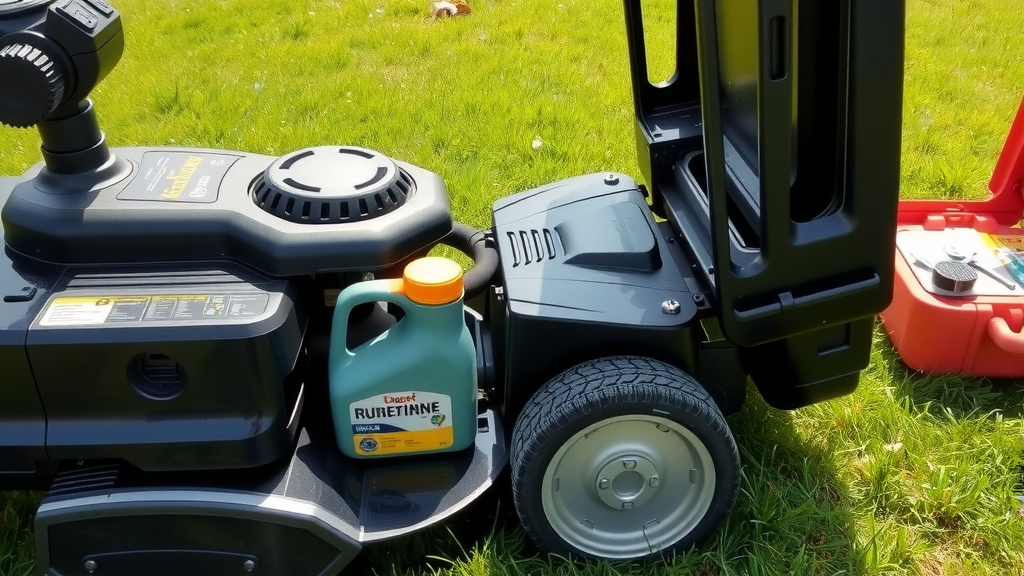
You can tell if your lawn mower is flooded by a strong smell of gasoline, exhaust smoke, or difficulty starting even after repeated attempts.
Often, a flooded lawn mower will have a wet spark plug and may “cough” or sputter without fully igniting the engine.
- A strong gas smell indicates your engine is flooded.
- A wet spark plug confirms your lawn mower is flooded.
- Repeated starting attempts without success often points to flooding.
- Clear the engine by waiting, checking the spark plug, and drying it.
- Prevent flooding by using the choke correctly and avoiding over-priming.
How To Tell If Lawn Mower Is Flooded?
You can identify a flooded lawn mower by its distinctive fuel smell, thick exhaust, and refusal to start, even after several pulls. It means too much fuel has entered the engine.
What Exactly Is a Flooded Lawn Mower?
Imagine your engine as a delicate balance of air and fuel. When your lawn mower is flooded, it means too much fuel has entered the combustion chamber. This excess fuel “drowns” the spark plug, making it impossible for a spark to ignite the air-fuel mixture. It’s like trying to light a wet match.
Why Does a Mower Flood?
Most of the time, flooding happens because of incorrect starting procedures. We often pull the starter cord too many times with the choke on, or we press the primer bulb more than needed. It’s an easy mistake to make when you just want your mower to get going!
The Role of the Choke
The choke limits air flow to make the fuel mixture richer for cold starts. If you leave the choke on too long, or try to start a warm engine with the choke engaged, you will deliver too much fuel. This quickly leads to a flooded engine, as many engine manufacturers’ guidelines explain (Briggs & Stratton).
What About the Primer Bulb?
The primer bulb gives a small, concentrated burst of fuel directly into the carburetor. Most mowers need just a few presses, typically three to five. Pressing it too many times pumps excess fuel into the engine, making it difficult to start.
Key Signs Your Lawn Mower Is Flooded
Knowing these signs can save you time and frustration. Let’s look at the most common indicators.
The Smell Test: A Strong Fuel Odor
This is usually the first and most obvious sign. If your lawn mower is flooded, you’ll notice a very strong smell of raw gasoline around the engine. It’s unmistakable, indicating that fuel isn’t burning but escaping.
Smoke Signals: Exhaust & Starting
When you try to start a flooded mower, you might see black or dark gray smoke coming from the exhaust. This isn’t normal exhaust, but rather unburnt fuel burning off as the engine struggles. It’s a clear visual cue.
Spark Plug Clues: Wet and Black
A simple check of the spark plug can confirm your suspicions. If you remove the spark plug and it’s wet with gasoline and looks sooty or black, your engine is definitely flooded. This tells you the spark plug can’t create a strong enough spark.
Starting Struggles: No Luck Igniting
You pull the cord, pull it again, and nothing happens. The engine might “cough” or sputter a little, but it never fully fires up. It feels like it’s trying to start but can’t quite catch. This consistent failure to ignite is a classic flooding symptom.
Checking Your Spark Plug: A Quick Diagnostic
This is one of the most reliable ways to confirm flooding. It’s also a good skill to have for basic mower maintenance.
- First, turn off the mower and disconnect the spark plug wire to prevent accidental starting. Safety first!
- Use a spark plug wrench to carefully remove the spark plug.
- Inspect the tip: Is it wet with gasoline? Is it black and sooty? These are clear signs.
- If it looks wet, you’ve confirmed the flooding.
How to “Un-Flood” Your Lawn Mower
Don’t worry, a flooded mower isn’t the end of the world. Here’s a simple process to get it running again. Many small engine repair guides suggest these steps.
Step 1: Give It a Break
The easiest first step is patience. Let the mower sit for about 15-20 minutes with the ignition off. This allows the excess fuel to evaporate from the combustion chamber. It’s like letting a damp towel air dry a bit.
Step 2: Dry the Spark Plug
Remove the spark plug again, if you haven’t already. Wipe it thoroughly with a clean, dry cloth. If it’s very sooty, you can gently brush it with a wire brush. Clean out the spark plug opening as well with a dry cloth.
Step 3: Attempt a Re-Start (Without Choke)
After drying the spark plug and letting the mower rest, reinsert the spark plug and reconnect its wire. Now, try starting the mower. Crucially, do NOT use the choke or primer bulb. Pull the starter cord several times, perhaps 5-7 pulls, to clear out any remaining fumes. If it doesn’t start, wait a few minutes and try again.
Preventing a Flooded Lawn Mower
An ounce of prevention is worth a pound of cure, right? Knowing how to start your mower correctly can save you a lot of hassle.
Understanding Proper Starting Procedures
Always refer to your mower’s owner’s manual. Each model can have slight variations. Generally, for a cold engine, you might engage the choke or press the primer bulb a few times. For a warm engine, you usually don’t need the choke at all, as some experts confirm (Consumer Reports).
When to Prime, When to Choke
If your mower has a primer bulb, press it 3-5 times max for a cold start. If it has a choke, engage it for cold starts and then disengage it once the engine warms up slightly or tries to start. Avoid priming and choking if the engine is already warm.
Common Flooding Scenarios and Quick Fixes
Sometimes you might not realize you’re causing flooding. Here’s a quick overview of common scenarios and what to do.
| Scenario | What Happened | Quick Fix |
|---|---|---|
| Mower won’t start after many choke attempts. | Too much fuel from over-choking. | Wait 15 mins, dry spark plug, re-start without choke. |
| Strong gas smell after pulling cord multiple times. | Engine flooded by unburnt fuel. | Let it air out, remove and dry the spark plug. |
| Black smoke when trying to start. | Excess fuel burning, not igniting properly. | Follow un-flooding steps, avoid choke on restart. |
| Mower ran, then stalled, now won’t restart. | May have been warm-started with choke, or air filter issues. | Check for flooding, also check air filter condition. |
Conclusion
Dealing with a flooded lawn mower can be frustrating, but it’s a very common issue with a straightforward solution. By recognizing the signs like a strong gas smell or a wet spark plug, and knowing how to un-flood your engine, you can quickly get back to maintaining your lawn. Remember, proper starting techniques are your best defense against flooding, ensuring your mower is always ready when you are.
How do I prevent my lawn mower from flooding in the future?
To prevent future flooding, always follow your mower’s starting instructions carefully. Avoid over-priming (usually 3-5 presses is enough) and use the choke only for cold starts, disengaging it as soon as the engine tries to fire. If the engine is warm, skip the choke and primer entirely.
Can a dirty air filter contribute to flooding?
Yes, a dirty or clogged air filter can restrict airflow to the engine. This creates a fuel-rich mixture, similar to having the choke on too long, which can make your lawn mower more prone to flooding. Regularly cleaning or replacing your air filter is a good preventive measure.
How long should I wait for a flooded mower to clear itself?
Generally, allowing your flooded mower to sit for 15-20 minutes with the spark plug removed helps the excess fuel evaporate naturally. If it’s a very humid day, it might take a little longer. Combined with drying the spark plug, this waiting period is often sufficient.
What if my lawn mower still won’t start after un-flooding it?
If your mower still won’t start after trying the un-flooding steps, there might be another issue at play. Check for a weak spark, stale fuel, a clogged fuel filter, or even a dirty carburetor. Sometimes, a non-starting mower isn’t just flooded; it could have multiple problems, and a professional might be needed.
Is it bad to keep trying to start a flooded lawn mower?
Repeatedly trying to start a flooded lawn mower can actually make the problem worse. It keeps pumping more unburnt fuel into the engine, saturating the spark plug further and potentially washing away oil from cylinder walls. It’s best to stop, un-flood it properly, then attempt to restart.
