How To Troubleshoot A Briggs & Stratton Lawn Mower?
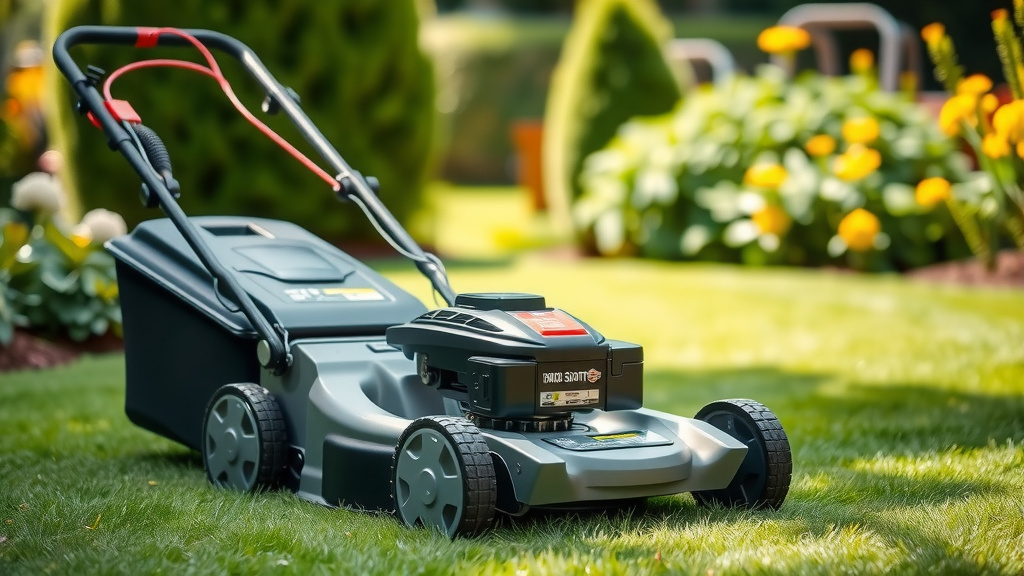
To troubleshoot a Briggs & Stratton lawn mower, always start by checking the fuel, spark plug, and air filter. These three components are responsible for most common starting and running issues.
Many experts recommend ensuring you have fresh fuel, a clean air filter, and a functioning spark plug when your Briggs & Stratton lawn mower won’t start or run correctly.
- Check the fuel: Is it fresh and full? Stale fuel is a common culprit.
- Inspect the spark plug: Look for dirt, damage, or improper gaps.
- Clean the air filter: A clogged filter restricts vital airflow to the engine.
- Look at the oil level: Too low or too high can prevent starting or cause damage.
- Examine the carburetor: Sometimes it needs cleaning or adjustment for smooth operation.
How To Troubleshoot A Briggs & Stratton Lawn Mower?
Troubleshooting your Briggs & Stratton lawn mower often involves a systematic check of its core components. We’ll guide you through common problems and simple fixes.
Most issues stem from the fuel, ignition, or air intake systems. By methodically checking each, you can pinpoint the problem efficiently.
Basic Troubleshooting Checklist
Before diving deep, a quick check can often reveal the problem. Is your mower acting up? Let’s go through this quick list first.
- Is the fuel tank full of fresh, clean gasoline? Old gas is a common issue.
- Is the spark plug wire securely attached to the spark plug?
- Are the engine’s oil levels within the recommended range?
- Is the cutting blade clear of any debris or tangled grass?
- Is the safety kill switch or bail bar engaged correctly?
- Have you checked the air filter for clogging?
No Start? Let’s Find Out Why!
A mower that won’t start is frustrating, isn’t it? This is perhaps the most common complaint we hear from lawn care enthusiasts.
Don’t worry; we can usually get to the bottom of it. Most starting problems are quite straightforward to diagnose and fix.
Is Your Fuel Fresh?
Old or stale gasoline is a frequent cause of starting trouble. Fuel can degrade in as little as 30 days, causing your engine grief.
Empty any old fuel and refill with fresh, high-octane gasoline. You might also consider adding a fuel stabilizer to prevent future issues.
The Spark Plug Story
The spark plug is crucial for igniting the fuel mixture. If it’s dirty, fouled, or improperly gapped, your engine won’t fire.
Remove the spark plug with a spark plug wrench. Inspect it for carbon buildup or damage. Many experts recommend cleaning or replacing a fouled spark plug (Briggs & Stratton).
Air Filter: The Mower’s Breath
Just like you need to breathe, your engine needs clean air. A clogged air filter restricts airflow, leading to poor performance or no start at all.
Remove the air filter and check for dirt and debris. Clean or replace it if it looks dirty. A new air filter can make a surprising difference.
Checking Your Oil Levels
Some Briggs & Stratton engines have a low oil sensor that prevents starting if the oil is too low. Always check your oil dipstick.
Ensure the oil level is between the “add” and “full” marks. Using the correct type and amount of oil is vital for engine health.
Engine Starts, Then Stops?
So, it sparks to life, but then quickly gives up? This often points to issues with the fuel delivery once the engine actually begins running.
The problem is usually a consistent supply of fuel or a buildup in the system. We often find this is a carburetor or fuel line issue.
Carburetor Issues Are Common
The carburetor mixes air and fuel. If it’s dirty or has clogged jets, the engine won’t get a steady supply of fuel to keep running.
Cleaning the carburetor can often resolve this. Many guides suggest using a carburetor cleaner spray to clear blockages (Briggs & Stratton).
Fuel Cap Vent Blocked?
This is a lesser-known but common problem. The fuel cap has a small vent that allows air into the tank as fuel is used.
If this vent is blocked, a vacuum forms, starving the engine of fuel. Try loosening the fuel cap slightly or running without it briefly to see if this is the issue. A clogged fuel cap vent is an easy fix.
Running Rough or Losing Power?
Is your mower sputtering, surging, or just not cutting like it used to? A rough running engine indicates something isn’t quite right.
This usually means the engine isn’t getting the right mix of air and fuel or the spark isn’t consistent. It’s often a sign of a partially obstructed system.
Spark Plug: Still A Suspect
Even if it starts, a partially fouled spark plug can cause rough running. It might not be igniting the fuel efficiently every time.
Re-inspect the spark plug for any discoloration or carbon deposits. A clean, properly gapped plug ensures a strong, consistent spark.
Clean Air Is Key
A partially clogged air filter might allow the engine to start but restricts power under load. It’s like trying to run with a hand over your mouth.
Ensure your air filter is spotless or replaced. Proper airflow is essential for the engine to achieve full power and run smoothly.
Dirty Carburetor Symptoms
Minor clogs in the carburetor jets can cause surging or loss of power. The engine tries to compensate, leading to uneven operation.
A thorough carburetor cleaning, sometimes involving a rebuild kit, can restore smooth running. This ensures a balanced fuel-air mixture.
Why Is My Mower Smoking?
Seeing smoke from your lawn mower can be alarming, but it’s often not as serious as it looks. The color of the smoke provides clues.
Blue smoke usually means oil is burning. White smoke could be water or fuel. Black smoke suggests too much fuel is burning.
Too Much Oil Can Be Bad
Overfilling the crankcase with oil is a common cause of blue smoke. The excess oil can get into the combustion chamber and burn off.
Always check your oil level carefully on a flat surface. Drain any excess oil to the proper level. We found that overfilled oil can also cause pressure issues.
Mower Tilted Improperly
When cleaning the underside of your mower, you might accidentally tilt it the wrong way. This can allow oil to spill into the exhaust or air filter.
Always tilt the mower with the air filter side facing upwards. Let any spilled oil burn off. This often causes temporary smoke as the oil dissipates (Briggs & Stratton).
Step-by-Step Diagnostic Table
Here’s a quick reference to help you systematically troubleshoot common Briggs & Stratton mower problems. This organized approach can save you time.
Follow these steps to narrow down the issue efficiently. This table is designed to be mobile-friendly and easy to read on any device.
| Symptom | Potential Cause | Action to Take |
|---|---|---|
| Mower won’t start | Old fuel, bad spark plug, clogged air filter, low oil | Replace fuel, check/replace plug, clean filter, add oil |
| Starts, then dies | Dirty carburetor, fuel line clog, fuel cap vent | Clean carburetor, check fuel lines, clean fuel cap vent |
| Runs rough/Lacks power | Dirty spark plug, clogged air filter, carburetor issues | Clean plug, replace air filter, clean carburetor |
| Engine is smoking | Overfilled oil, mower tilted improperly, oil leak | Drain oil, tilt correctly, inspect for leaks |
Safety First, Always!
Before performing any maintenance, always disconnect the spark plug wire. This prevents accidental starting of the engine.
Wear appropriate safety gear like gloves and eye protection. Many experts say that safety precautions are not optional when working with machinery.
When Should You Call a Professional?
Sometimes, despite your best efforts, the problem persists. Don’t be afraid to admit defeat when complex issues arise.
If you suspect major engine damage, like knocking sounds, or if you’re uncomfortable with a repair, contact a certified technician. Professional help can often save you time and frustration in the long run.
Conclusion
Troubleshooting your Briggs & Stratton lawn mower doesn’t have to be a daunting task. By systematically checking fuel, spark, and air, you can resolve most common issues.
Remember to always prioritize safety and refer to your mower’s manual. A little patience and these tips can keep your mower running smoothly for years of clean cuts.
FAQ: How often should I change the spark plug?
Most manufacturers, including Briggs & Stratton, recommend checking your spark plug annually and replacing it every 100 operating hours or once a season. This ensures consistent ignition and optimal engine performance.
FAQ: Can old gas really damage my engine?
Yes, old gas can definitely damage your engine. As gasoline ages, it can leave behind gummy deposits that clog the carburetor and fuel lines. This can lead to costly repairs and poor engine function.
FAQ: What kind of oil should I use in my Briggs & Stratton?
Briggs & Stratton generally recommends using SAE 30 oil for temperatures above 40°F (4°C) or 5W-30 synthetic oil for broader temperature ranges. Always refer to your specific engine manual for the exact recommendation.
FAQ: My mower smells like gas, what’s wrong?
A gasoline smell often indicates a leak in the fuel system. Check fuel lines, the fuel tank, the carburetor bowl, and the fuel filter for any visible drips or cracks. A loose fuel cap can also cause vapor leakage.
FAQ: How do I clean the carburetor on my lawn mower?
To clean your carburetor, first disconnect the spark plug wire and drain the fuel tank. Remove the air filter and carburetor. Disassemble the carburetor, spraying carburetor cleaner into all ports and jets. Reassemble carefully. Many detailed guides can walk you through this process (Briggs & Stratton).