
How To Tune Up Push Lawn Mower?
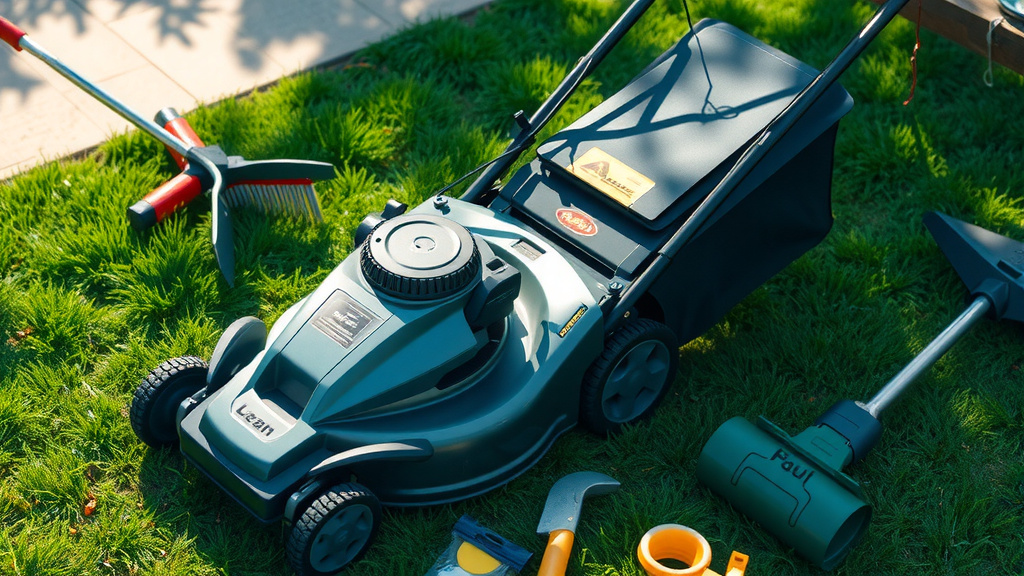
To tune up a push lawn mower, you generally need to change the spark plug, clean or replace the air filter, change the oil, sharpen the blade, and check the fuel system. This routine maintenance helps your mower start easily and run efficiently.
Regular tune-ups ensure your push lawn mower performs its best, preventing common issues like hard starting or uneven cuts. You are essentially giving your mower a much-needed health check.
- A push lawn mower tune-up is like a yearly check-up for your machine.
- It involves changing key parts such as the spark plug and air filter.
- You will also replace the engine oil and sharpen the cutting blade.
- These steps make your mower more reliable and extend its working life.
- Doing it yourself saves money and gives you a better-performing lawn.
How To Tune Up Push Lawn Mower?
Tuning up a push lawn mower involves several straightforward steps to keep it running smoothly and efficiently. You will focus on key components that wear out or get dirty with regular use.
Why a Tune-Up Matters For Your Lawn Mower
Think of a tune-up as giving your mower a fresh start. Over time, parts get dirty or worn, making your mower struggle. A well-tuned machine starts easier, cuts better, and uses less fuel.
Plus, a tune-up can save you from bigger, more expensive repairs down the road. It is about keeping your lawn care routine smooth and frustration-free.
When to Tune Up Your Push Mower
Many experts suggest tuning up your push lawn mower at the start of each mowing season (Briggs & Stratton). This ensures it is ready for heavy work. However, if you mow frequently or have a large yard, a mid-season check-up can also be helpful.
If your mower is struggling to start, running rough, or using more fuel than usual, those are clear signals it is time for a tune-up, no matter the season.
Gathering Your Tune-Up Tools
Before you get started, having the right tools makes the job much easier. Imagine trying to bake without your oven mitts – not a great idea! Here is what you will likely need:
- Spark plug wrench
- New spark plug (check your mower’s manual for the correct type)
- New air filter
- Engine oil (again, check your manual for the right type and amount)
- Blade sharpening file or grinding wheel
- Oil drain pan
- Funnel
- Wire brush or scraper
- Safety gloves and safety glasses
- Shop rags or old towels
Safety First: Before You Start
Your safety is the most important thing. Working on a lawn mower involves sharp blades and flammable fuel. Always take a moment to prepare safely.
Disconnect the Spark Plug
This is the first and most critical step. Removing the spark plug wire prevents the engine from accidentally starting while you are working. It is like taking the keys out of your car before popping the hood.
Secure the Mower
If you need to tip your mower to access the blade or underside, ensure it is stable. Many experts recommend tipping it with the carburetor side up to prevent oil or fuel from leaking into unwanted places.
Step-by-Step Push Mower Tune-Up
Ready to give your mower some love? Let us walk through each step. You will be surprised how satisfying it feels to bring your machine back to top condition.
Change the Spark Plug
A fresh spark plug helps with easier starts and more efficient burning of fuel. Research shows a dirty or worn spark plug can cause misfires and a lack of power (Car Care Council).
Why It Matters
The spark plug creates the spark that ignites the fuel. If it is caked with carbon or has a worn electrode, that spark becomes weak, making your mower hard to start or run poorly.
How To Change It
Use your spark plug wrench to carefully remove the old plug. Make sure you match the new plug to your mower’s specifications. Screw in the new plug by hand first to avoid stripping threads, then tighten it with the wrench.
Clean or Replace the Air Filter
Your air filter keeps dirt out of the engine. A clogged filter chokes the engine, just like trying to run with a hand over your mouth!
Visual Check
Pull out your air filter. Is it dusty, greasy, or torn? If it is paper, you can try tapping it gently to dislodge loose dirt. If it is oil-soaked foam, you might be able to wash and re-oil it. For heavily soiled or damaged filters, replacement is best.
Replacement is Key
If your filter is paper and looks really dirty, do not hesitate to replace it. A clean filter ensures your engine gets the oxygen it needs to burn fuel efficiently.
Change the Oil
Fresh oil lubricates engine parts, reducing friction and heat. Dirty oil can shorten your engine’s life significantly.
Warm the Engine
Run the mower for a few minutes to warm up the oil. Warm oil drains more completely, carrying away more contaminants.
Drain and Refill
Place your drain pan under the mower. Remove the oil dipstick or drain plug and let the old oil flow out completely. Replace the plug, then refill with the correct type and amount of new oil, checking the dipstick as you go.
Sharpen or Replace the Blade
A sharp blade cuts grass cleanly, promoting healthier lawns. A dull blade tears the grass, leading to brown tips and a less attractive yard.
Blade Inspection
Carefully remove the blade (remember the spark plug is disconnected!). Look for nicks, bends, or cracks. If it is severely damaged, replace it. Otherwise, you can sharpen it.
Balancing Act
After sharpening, it is a good idea to balance the blade. An unbalanced blade can cause excessive vibration, which stresses engine components and makes for an uneven cut. Many hardware stores sell a simple blade balancer.
Check the Fuel System
A clean fuel system ensures a steady supply of gas to the engine. Any blockages can lead to sputtering or failure to start.
Fuel Filter Check
If your mower has an in-line fuel filter, inspect it. If it looks clogged with debris or discolored, replace it. This is a small part but can make a big difference.
Fuel Line Inspection
Look at the fuel lines for any cracks or signs of wear. Old, cracked lines can leak fuel, which is a fire hazard. Replace them if you see any damage.
Clean the Mower Deck
Buildup under the deck can hinder cutting performance and cause rust. It also makes your mower work harder.
Scraping Away Grime
With the mower tipped and secured (again, spark plug disconnected!), use a scraper or wire brush to remove caked-on grass clippings and mud. This simple step can dramatically improve airflow and cutting quality.
Inspect Wheels and Belts
These components might not be part of the engine, but they are crucial for movement and power transmission.
Tension and Wear
Check the drive belts (if your mower is self-propelled) for cracks or fraying. Ensure they have the correct tension. Also, inspect the wheels for excessive wobble or damage. Tighten any loose bolts you find.
| Tune-Up Task | Why It’s Important | Frequency |
|---|---|---|
| Spark Plug | Easy starts, efficient fuel burn | Annually |
| Air Filter | Engine protection, proper air flow | Annually (or as needed) |
| Oil Change | Lubrication, engine longevity | Annually (or every 50 hours) |
| Blade Sharpen/Replace | Clean cuts, healthy lawn | Annually (or bi-annually) |
| Fuel System Check | Consistent fuel supply | Annually |
Benefits of a Regular Tune-Up
You have put in the effort, and now you get to reap the rewards! A regular tune-up means your mower is a reliable partner in maintaining a beautiful yard. It will be ready to tackle any cutting challenge you throw its way.
Beyond reliability, you will often notice better fuel economy and reduced emissions. This is good for your wallet and the environment. You might even find yourself enjoying mowing more when your equipment performs well!
Here’s a quick checklist to make sure you have covered everything:
- Spark plug replaced?
- Air filter clean/new?
- Oil changed?
- Blade sharpened and balanced?
- Fuel system checked?
- Mower deck cleaned?
Conclusion
Taking the time to tune up your push lawn mower is a simple act of care that pays off significantly. You are not just fixing problems; you are preventing them, ensuring your mower is always ready for action. By following these steps, you will enjoy a mower that starts reliably, runs smoothly, and helps you achieve that perfectly manicured lawn, season after season.
What kind of oil do push lawn mowers use?
Most push lawn mowers typically use SAE 30 or 10W-30 engine oil. However, it is always best to check your mower’s owner’s manual for the manufacturer’s specific recommendation, as using the wrong oil can damage your engine.
How often should I sharpen my lawn mower blade?
You should aim to sharpen your lawn mower blade at least once a year, typically at the start of the mowing season. If you frequently mow tough grass, sandy areas, or hit obstacles, you might need to sharpen it more often, perhaps two to three times per season.
Can I use car spark plugs in a lawn mower?
No, you should not use car spark plugs in a lawn mower. While they both create a spark, lawn mower spark plugs are specifically designed for smaller engines and their operating conditions. Using the wrong type can lead to poor performance or engine damage.
What are the signs that my lawn mower needs an air filter replacement?
Common signs your lawn mower needs an air filter replacement include a noticeable loss of engine power, the engine running rough or sputtering, increased fuel consumption, or the engine producing black smoke. Visually, a dirty or clogged filter is also a clear indicator.
Is it better to replace or clean a foam air filter?
For foam air filters, it is often possible to clean and re-oil them if they are not torn or severely degraded. However, if the filter is old, brittle, or very heavily soiled, replacement is usually the better option to ensure optimal engine protection and performance.
