How To Turn On Briggs & Stratton Lawn Mower?
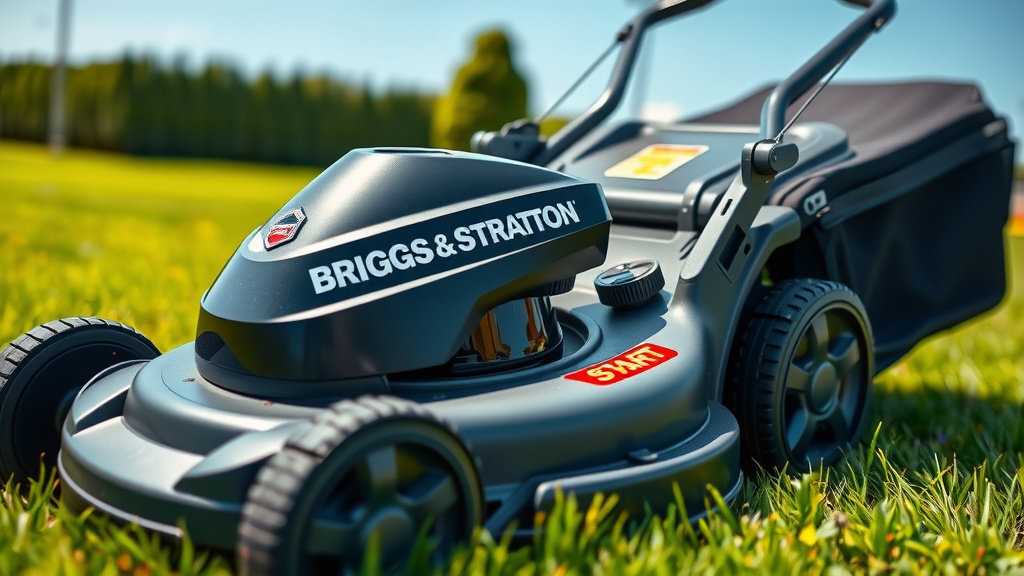
To turn on your Briggs & Stratton lawn mower, ensure you have fresh fuel and oil, then prime the engine if it has a bulb, engage the choke, hold the safety bail bar against the handle, and pull the starter cord with a quick, firm motion.
A Briggs & Stratton lawn mower typically starts by following a clear sequence: fuel, oil, primer (if needed), choke, bail bar, and then a strong pull of the cord.
- Running your Briggs & Stratton mower requires fresh fuel and correctly filled oil.
- Always check your fuel and oil levels before each use to avoid engine issues.
- Many Briggs & Stratton engines need a primer bulb pressed a few times to start easily.
- The choke setting helps cold engines get enough fuel mixture to ignite.
- Always hold the safety bail bar before pulling the starter cord for your protection.
How To Turn On Briggs & Stratton Lawn Mower?
To turn on your Briggs & Stratton lawn mower, you generally need to make sure the fuel is fresh, the oil is at the right level, and then follow a simple starting procedure involving the primer, choke, safety bar, and starter cord. It’s like a small puzzle where each piece fits perfectly.
Understanding Your Briggs & Stratton Engine
Briggs & Stratton engines are a common sight on many lawn mowers. They’re built for reliability and ease of use, but knowing a few basics helps a lot. Most models have similar starting mechanisms, making them quite intuitive once you get the hang of it.
These engines rely on a precise mix of air and fuel to ignite. When you start your mower, you’re essentially helping it get that perfect balance. Think of it like a chef preparing a meal; the right ingredients matter for the best outcome.
Safety First: Before You Start
Before you even think about turning that engine over, safety is paramount. We found that most lawn mower accidents happen when basic precautions are skipped. Taking a moment now can prevent bigger problems later.
Clear the Area
Always walk around your mowing area first. Remove any stones, sticks, toys, or debris that could become dangerous projectiles. You never want to hit something that could fly out from under the deck.
Check the Fuel Level
Is there enough fuel in the tank? It sounds obvious, but many people forget this simple step. Running out of gas mid-mow is frustrating, and sometimes the engine needs a little more than you think to get going.
Oil Check is Vital
Just like a car, your lawn mower needs oil to run smoothly. Check the dipstick to ensure the oil level is between the ‘add’ and ‘full’ marks. Running with low oil can cause serious damage to your engine (Briggs & Stratton documentation).
Here’s a quick checklist before you start:
- Is the lawn clear of obstacles?
- Is there fresh fuel in the tank?
- Is the engine oil at the correct level?
- Are all guards and shields in place?
- Are your hands and feet clear of the blades?
Step-by-Step: Firing Up Your Mower
Now that safety is covered, let’s walk through the actual starting process. It’s simpler than you might imagine, often just a few quick actions.
Step 1: The Fuel Factor
Always use fresh, clean gasoline. Many experts say fuel that’s over 30 days old can cause starting problems, especially with ethanol blends. It’s like trying to bake with old flour – the results just aren’t the same.
If your mower has old fuel, it’s best to drain it and refill with new gas. This prevents gumming up the carburetor, a common issue we’ve found that stops engines from starting.
Step 2: Check the Oil
We covered this in safety, but it bears repeating. Locate the dipstick, usually yellow or orange. Unscrew it, wipe it clean, reinsert it (don’t screw it in for an accurate reading on some models, check your manual), and pull it out again. The oil level should be right.
If it’s low, add the recommended type of engine oil. Too little oil and your engine can seize. Too much oil can cause smoking and poor performance.
Step 3: Prime Your Engine (If Applicable)
Look for a small rubber bulb, usually red or black, near the carburetor. This is your primer bulb. If your mower has one, press it three to five times firmly. You’re injecting a little shot of fuel directly into the carburetor to help it start cold.
You don’t need to prime a warm engine. If it’s been running recently, it likely has enough fuel already in the system.
Step 4: Engage the Choke
Most Briggs & Stratton engines have a choke. This might be a lever on the engine, or part of your throttle control on the handle (often labeled ‘Start’ or ‘Choke’). The choke restricts airflow, making the fuel-air mixture richer, which is great for cold starts.
Once the engine starts and runs for a few seconds, you’ll typically move the choke to the ‘Run’ or ‘Fast’ position. Leaving it on too long can cause the engine to sputter and die.
Step 5: Hold the Bail Bar
This is a crucial safety feature. The bail bar, or operator presence control bar, is the handle that you pull back towards the main handle. You must hold this bar down for the engine to even try to start, and for it to continue running.
It’s designed to stop the blades almost instantly if you let go, keeping you safe. Don’t try to tie it down or bypass it; it’s there to protect you.
Step 6: Pull the Starter Cord
With the bail bar held down, grip the starter cord handle firmly. Pull it with a quick, smooth, and full stroke. Don’t tug it short or let it snap back. A controlled pull works best.
If it doesn’t start on the first pull, give it a moment, then try again. You might need a few pulls. If it still won’t start after several attempts, something else might be going on.
Troubleshooting Common Starting Issues
Sometimes, even after following all the steps, your mower just won’t cooperate. Don’t worry, many starting problems have simple solutions. We’ve found these are the most common culprits.
Engine Won’t Turn Over?
If your engine cranks but doesn’t fire up, or simply stays silent, it’s a good time for some detective work. Think of it like diagnosing a sleepy pet; you check for the basics first.
Is There Fresh Fuel?
Old or stale fuel is a top reason for no-starts. If the fuel in the tank smells sour or is discolored, it’s probably bad. Drain it and refill with fresh gasoline (Briggs & Stratton Maintenance Guide).
Spark Plug Check
A dirty or faulty spark plug can stop an engine dead in its tracks. Carefully remove the spark plug and inspect it. Is it covered in black soot, oil, or corrosion? If so, clean it or replace it. Ensure the gap is correct.
Air Filter Cleanliness
A clogged air filter starves the engine of air, making it hard to start. Take it out and hold it up to the light. If you can’t see light through it, it’s time for a replacement or a thorough cleaning, depending on the filter type.
Carburetor Clogging
This is often linked to old fuel. The tiny passages in the carburetor can get gummed up. While cleaning a carburetor can be complex, adding a fuel stabilizer to fresh fuel can prevent this in the future.
Here’s a quick look at common starting issues and their fixes:
| Problem | Possible Cause | Quick Fix |
|---|---|---|
| Engine won’t start | No fresh fuel or low oil | Add fresh fuel, check oil level |
| Engine cranks, no fire | Spark plug or air filter issue | Inspect/clean spark plug, check air filter |
| Starts then dies | Choke engaged too long, old fuel | Adjust choke, check fuel freshness |
| Hard to pull cord | Blade hitting something, engine issues | Clear blade path, seek service if engine locked |
Maintenance Tips for Easy Starts
Preventative maintenance is your best friend when it comes to easy starts. A little care goes a long way in keeping your Briggs & Stratton engine happy. Many people overlook these simple steps until a problem occurs.
Regular Oil Changes
Change your engine oil according to the manufacturer’s schedule. Dirty oil doesn’t lubricate as well and can contribute to engine wear. It’s an inexpensive way to extend your mower’s life.
Clean Air Filter
A clean air filter is like fresh air for your lungs. Check and clean or replace your air filter regularly, especially if you mow in dusty conditions. A clogged filter makes the engine work harder and use more fuel.
Spark Plug Replacement
Spark plugs don’t last forever. We often suggest replacing your spark plug once a season or every 25 hours of operation for optimal performance. A fresh spark plug provides a strong, consistent spark.
Fuel Stabilizer Usage
When storing your mower for more than 30 days, or over winter, always add a fuel stabilizer to your gas tank. This prevents fuel from breaking down and causing deposits in the fuel system. It’s a small investment that saves big headaches later.
Conclusion
Turning on your Briggs & Stratton lawn mower doesn’t have to be a struggle. By focusing on fundamental steps like ensuring fresh fuel, adequate oil, using the primer and choke correctly, and holding the safety bar, you’re well on your way to a quick start. Remember, consistent maintenance is the secret sauce for a reliable engine. A little care means less frustration and a beautifully cut lawn every time. You’ve got this!
FAQs
Why won’t my Briggs & Stratton mower start even with fresh gas?
If your mower has fresh gas but still won’t start, check the spark plug for fouling or damage, ensure the air filter isn’t clogged, and confirm that the primer bulb (if present) is working correctly to deliver fuel. The safety bail bar must also be held down firmly.
How many times should I press the primer bulb?
For most Briggs & Stratton engines with a primer bulb, pressing it three to five times is usually sufficient. Avoid over-priming, as too much fuel can flood the engine, making it harder to start.
What’s the difference between the choke and the throttle?
The choke adjusts the air-to-fuel ratio for cold starts by limiting air intake, making the mixture richer. The throttle controls the engine’s speed, regulating how much fuel and air enter the engine to maintain desired RPMs once it’s running.
Can old oil prevent my lawn mower from starting?
While old oil itself typically won’t prevent an engine from *starting* if the level is correct, very low oil levels will often trigger a low-oil sensor, which will prevent the engine from starting or continuing to run to protect itself from damage.
How often should I change the spark plug on my Briggs & Stratton mower?
Most manufacturers, including Briggs & Stratton, recommend inspecting and replacing the spark plug at least once per mowing season or every 25 hours of operation. A new spark plug helps ensure a strong, consistent spark for easier starting and better engine performance.