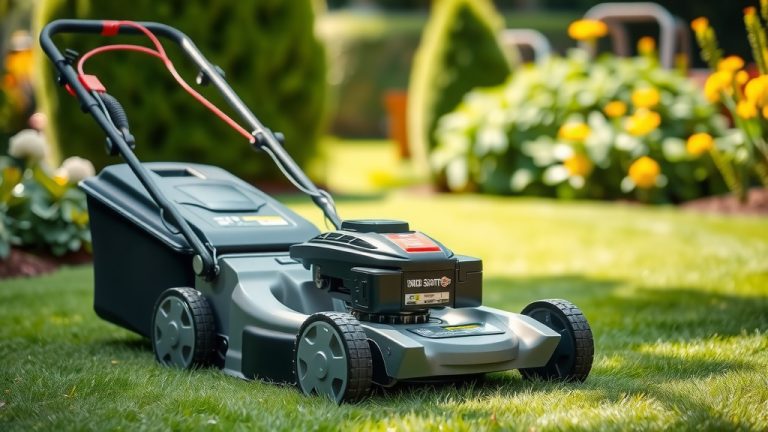
How To Use Briggs & Stratton Lawn Mower?

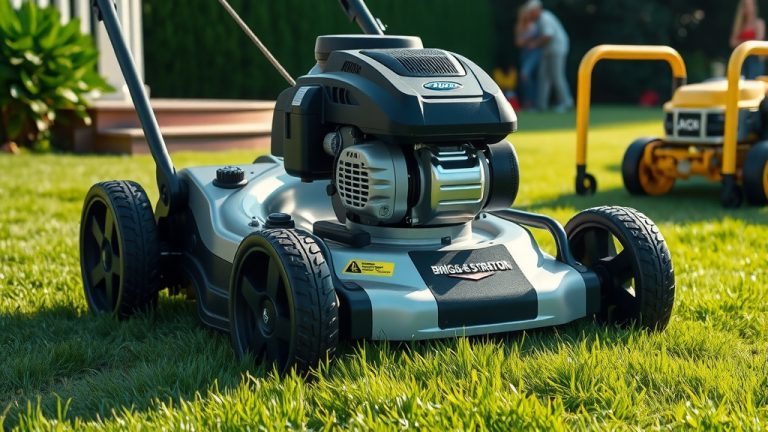
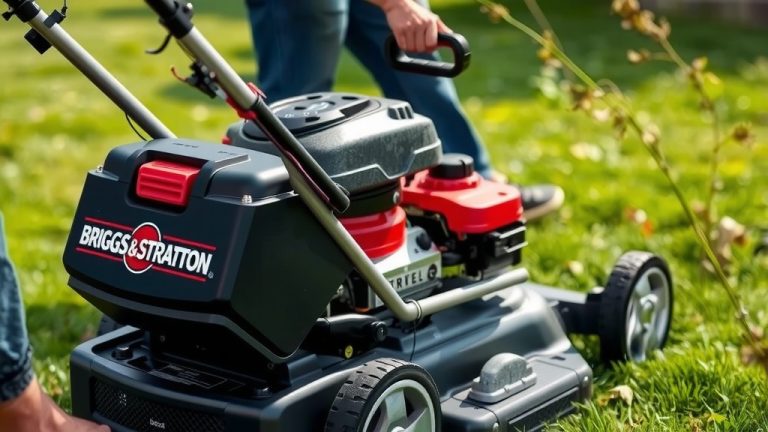
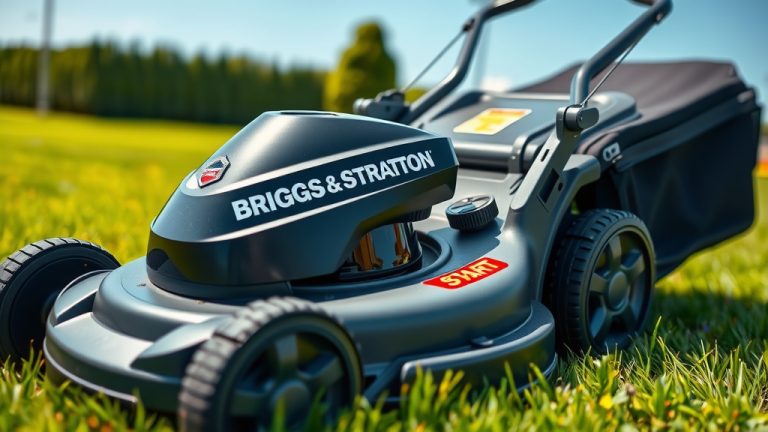
To use a Briggs & Stratton lawn mower, first ensure safety by clearing the area and wearing protective gear. Then, check the oil and fuel levels, prime the engine if necessary, and start it according to your model’s instructions, typically with a pull cord or electric start.
Always maintain a steady pace, overlap your cutting paths slightly, and adjust the cutting height for optimal lawn health, which is a key step for a thriving yard.
For a quick overview of using your Briggs & Stratton mower, here’s what you need to know:
- Always prioritize safety before you begin mowing.
- Perform essential pre-mow checks for fuel, oil, and blades.
- Understand the specific starting method for your mower model.
- Employ effective mowing techniques for an even and healthy lawn.
- Follow basic maintenance tips to keep your mower running well.
How To Use Briggs & Stratton Lawn Mower?
To use your Briggs & Stratton lawn mower, begin by checking fuel and oil, then prime the engine if needed, and start it either by pulling the cord or pressing the electric start button.
After starting, adjust the cutting height to suit your grass, and mow using overlapping passes for an even, clean finish across your lawn.
Safety First: Your Pre-Mow Checklist
Before you even think about starting your mower, safety should always be your top concern. You are in charge of a powerful piece of equipment.
Many experts emphasize that a moment of caution saves a lot of trouble (National Safety Council).
Personal Protective Equipment Matters
Think of it as your mowing armor. Wearing the right gear keeps you safe from flying debris and loud noise.
We found that sturdy closed-toe shoes, eye protection, and hearing protection are non-negotiables for safe operation.
Clearing Your Mowing Area
Before you mow, take a quick stroll around your lawn. Are there any hidden dangers lurking in the grass?
You need to remove any stones, toys, sticks, or other debris that could become a dangerous projectile when hit by the blade.
Here’s a quick checklist to ensure your mowing area is ready:
- Walk the entire lawn, looking for obstacles.
- Pick up any loose items like toys, hoses, or pet waste.
- Check for rocks or large debris that could damage the blade.
- Ensure children and pets are safely indoors or away from the mowing zone.
- Be aware of any electrical cords or sprinkler heads.
Pre-Mow Essentials: Fuel, Oil, and Blades
Just like you wouldn’t drive a car without gas, your mower needs its own special preparations. A little check now prevents big headaches later.
We found that consistent pre-mow checks extend the life of your Briggs & Stratton lawn mower significantly.
Checking the Oil Level
Your engine’s lifeblood is its oil. Running it dry can cause irreversible damage. Is your mower hungry for oil?
Locate the dipstick, pull it out, wipe it clean, reinsert it without screwing, and pull it out again to check the level. It should be between the “Add” and “Full” marks.
Fueling Your Mower Correctly
Most Briggs & Stratton mowers use regular unleaded gasoline. Use fresh fuel, as old gas can cause starting problems.
Always fill the tank outdoors, away from open flames, and never overfill it to the very brim.
Inspecting the Mower Blade
A sharp blade cuts cleanly, promoting a healthier lawn. A dull blade tears grass, leaving ragged edges.
Before checking, disconnect the spark plug wire to stop accidental starting. Inspect the blade for sharpness and any damage like nicks or bends.
Starting Your Briggs & Stratton Mower
Alright, checks are done, safety is covered, now for the moment of truth: getting that engine purring. Briggs & Stratton mowers often use two main starting types.
Knowing your mower’s specific starting system makes the process smooth and frustration-free.
The Pull-Start Method
This is the classic way to start many mowers. It requires a firm, consistent pull, not a sudden jerk.
Make sure the fuel valve is open (if applicable), push the primer bulb 3-5 times (if your model has one), and then pull the starter rope firmly until the engine catches.
Electric Start Convenience
Some Briggs & Stratton models offer the luxury of an electric start. It’s like starting your car with a key.
Simply turn the key or press the start button. Ensure the battery is charged if it’s an electric start model, as research shows a weak battery can hinder starting.
Mastering Mowing Techniques
You’ve started the engine, congratulations! Now, let’s talk about how to actually cut that grass for a beautiful, uniform look.
Good mowing technique doesn’t just make your lawn look great, it helps keep it healthy and strong (Turfgrass Science).
Adjusting Your Cutting Height
Resist the urge to cut your grass too short. Taller grass shades out weeds and promotes deeper root growth.
Most experts recommend cutting no more than one-third of the grass blade’s height at a time for optimal lawn health.
Overlapping Passes for Perfection
For an even cut, overlap each pass by a few inches. This prevents unsightly stripes of uncut grass.
Think of it like painting a wall; you want full coverage without missing any spots.
Handling Slopes and Obstacles
When mowing on a slope, push a walk-behind mower across the slope, never up and down. This prevents losing control.
For ride-on mowers, go up and down slopes, being careful not to turn sharply. Always maintain a safe distance from obstacles and trim around them separately.
Post-Mow Care: A Quick Glance
Your lawn looks fantastic, but your job isn’t quite done. A little post-mow care keeps your Briggs & Stratton mower ready for the next use.
Cleaning the underside of the deck helps prevent grass buildup, which can affect cutting performance and lead to rust.
When Things Go Wrong: Basic Troubleshooting
Even the most reliable machines can have an off day. What if your Briggs & Stratton mower won’t start?
Here’s a simple table to help you diagnose some common issues.
| Problem | Possible Cause | Simple Fix |
|---|---|---|
| Engine won’t start | No fuel or old fuel | Add fresh fuel |
| Engine won’t start | Spark plug issue | Clean or replace spark plug |
| Engine smokes | Too much oil | Check oil level, drain excess |
| Uneven cut | Dull or bent blade | Sharpen or replace blade |
Conclusion
Using your Briggs & Stratton lawn mower doesn’t have to be a chore; it can be a satisfying part of maintaining a beautiful yard. By following these steps—from essential safety and pre-mow checks to effective mowing techniques—you ensure a safe and productive experience.
Remember, a little preparation and understanding go a long way in keeping your mower running well and your lawn looking its best. Your efforts truly pay off for a healthy, vibrant outdoor space.
What kind of fuel does a Briggs & Stratton lawn mower use?
Most Briggs & Stratton lawn mowers are designed to run on fresh, unleaded gasoline with an octane rating of 87 or higher. It’s recommended to avoid ethanol-free fuel or fuel with more than 10% ethanol, as this can damage the engine over time.
How often should I change the oil in my Briggs & Stratton mower?
Many experts suggest changing the oil in your Briggs & Stratton mower annually or after every 25-50 hours of operation, whichever comes first. For brand new mowers, the first oil change is often recommended after just 5 hours of use to remove any manufacturing residues.
Can I use a Briggs & Stratton mower in wet grass?
It’s generally not advisable to mow wet grass. Wet grass can clump under the deck, clog the discharge chute, and make the engine work harder, potentially stalling it. Additionally, wet grass can be slippery, increasing the risk of accidents, and it won’t give you a clean, even cut.
What is the primer bulb on a Briggs & Stratton mower for?
The primer bulb on a Briggs & Stratton mower is designed to inject a small amount of fuel directly into the carburetor. Pushing it a few times before starting helps to enrich the fuel mixture, making it easier for the engine to ignite, especially when it’s cold.
How do I store my Briggs & Stratton lawn mower for winter?
To store your Briggs & Stratton mower for winter, it’s best to either run the fuel tank dry or add a fuel stabilizer to prevent fuel degradation. You should also disconnect the spark plug, clean the mower thoroughly, change the oil, and store it in a dry, protected area.